Fumaric acid is a high-purity unsaturated dicarboxylic acid. Factories utilize this basic building block to produce unsaturated polyester resins. The double bonds in fumaric acid are directly integrated into the long polymer chain; these rigid double bonds react readily with styrene components, thereby forming numerous strong cross-linked bonds within the polymer structure.
Key Takeaways
- Fumaric acid builds strong inner connections that help liquid resins change quickly into tough solid plastic pieces.
- Very pure fumaric acid helps factory plastics resist extreme heat, tough outdoor weather, and harmful chemical damage.
Backbone Synthesis in Unsaturated Polyester Resin
Fumarate Esterification and Chain Structure
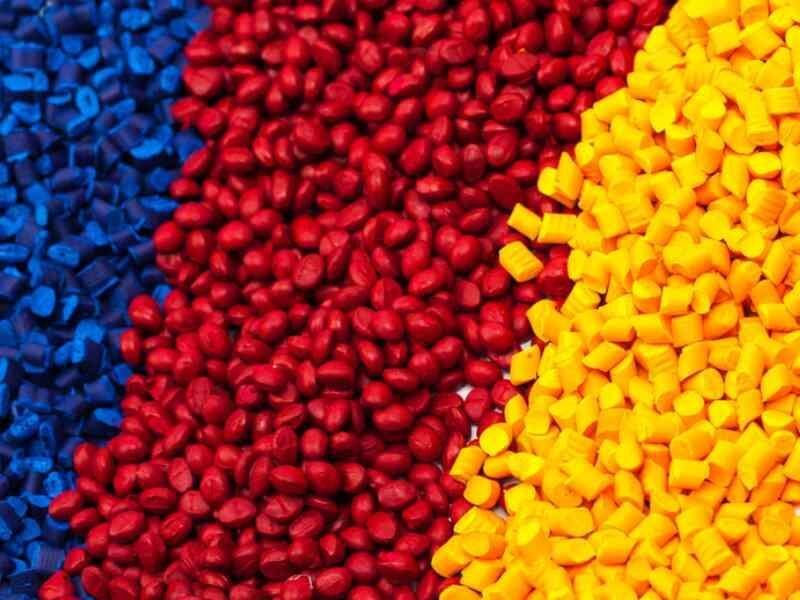
Workers construct long-chain polymers through a series of chemical steps when processing unsaturated polyester resins. Ethylene glycol reacts with a specific acid under strictly controlled heating conditions. Common fumaric acid directly introduces double bonds into the growing polymer chains. These active double bonds form important reaction sites, providing the necessary conditions for subsequent curing steps. Fumaric acid has applications in numerous different chemical manufacturing fields. Processing plants use fumaric acid in resin mixtures to create a robust polymer framework.
Engineers meticulously measure the progress of chemical bonds during these heating reactions. Advanced magnetic resonance imaging (MRI) testing can clearly reveal the details of the internal chemical structure. This specialized testing equipment can measure the content of maleic acid and fumaric acid at completely different energy levels. The magnitude of each measurement signal indicates the precise number of internal components. Laboratory staff calculate the precise proportions of different double bonds without damaging the polymer chains. This gentle testing method prevents errors when inspecting chemical mixture samples. Precise calculations demonstrate that the double bonds remain active in every production process. Quality control personnel verify the purity of chemicals before sending liquid batches to storage tanks. Plant workers closely monitor temperature during each resin production process.
Trans-Isomer Geometry and Styrene Crosslinking
The linear molecular shape of fumaric acid creates ideal spacing within the long polymer chains. These simple linear shapes avoid crowded areas on the main chemical backbone. This open structure improves the curing effect of the liquid in the final curing step. Liquid styrene is mixed with unsaturated polyester resin to form a very smooth fluid mixture. The rapidly reacting styrene molecules quickly attack the double bonds of fumaric acid during curing. The rapid reaction rate forms many strong bonds in the finished plastic network. In the mixing step, these linear molecules react much faster than curved molecules. The faster reaction rate reduces the overall curing time in busy production plants. Strong internal bonding enhances the heat resistance of all finished solid composite components.
Strong chemical bonds transform the liquid resin mixture into an extremely tough solid plastic. Large-scale plants mold these durable materials into robust fiberglass components and protective outer coatings. Fumaric acid imparts excellent heat resistance and strong structural strength to the finished plastic. Even under extremely harsh weather conditions, the thick plastic layer retains its original shape. The product testing team conducts daily strength tests on batches of finished commercial resin. The addition of high-purity fumaric acid improves the overall mixing success rate in polyester resin production. Plastic manufacturers achieve consistent product quality in large-scale production every day. Reliable chemical methods guarantee the superior performance of all finished products. Factory workers strictly adhere to quality standards for all chemical manufacturing applications.
Performance Improvements in Specialty Resins
Mechanical Strength and Thermal Stability
Fumaric acid enhances the properties of polymers by forming tight chemical bonds at different locations in the polymer chain. The plant team utilizes this acid to improve the physical strength of heavy-duty components. Tighter chemical bonds significantly increase the overall durability of rigid plastic substrates. Its rigid molecular structure provides additional support within the finished product. Tests show that solid composites made with fumaric acid have very high heat limits. These solid components maintain their precise shape under high loads and temperatures. Fumaric acid provides excellent thermal insulation in components operating at high temperatures. Motor components and power boxes require strong thermal insulation to prevent bending deformation.
Chemists choose pure fumaric acid to improve the toughness of top-quality materials. Cured components resist cracking even under sudden external impacts. Adding fumaric acid to plastics creates a robust network structure for outdoor gear. This solid material can withstand heavy loads without breaking or sagging over time. Its physical strength remains high even under continuous daily push-pull forces. The chemical plant uses pure fumaric acid to produce durable plastic films. These special plastics now perform a variety of critical tasks on modern construction sites. The robust building panels have demonstrated exceptional durability over years of use.
Rheology Modification and Chemical Resistance
Fumaric acid alters the flow properties of the liquid when mixed with chemicals in the tank. The liquid resin feedstock flows easily through nozzles and molding dies. During worker mixing or pouring, the polymer mixture thins under pressure. Operators can quickly inject the liquid resin into highly complex molding tools. Once stirring stops, the viscous liquid mixture solidifies rapidly. Controlled viscosity prevents the liquid from sliding down high, vertical mold walls. Factory workers can fill narrow corners of molds without creating any air bubbles. Smooth operation reduces chemical waste in daily factory work.
Finished resins give strong defense against damage from harsh outdoor environments. Dense polymer walls stop liquids from soaking deep inside plastic parts.
Heavy machinery needs strong chemical protection for storage vats, vessels, and pipes. Packed polymer networks give great heat and chemical defense in tough plants. Chemical plants put in special plastic pipes to move dangerous liquid waste. Outer protective coats shield base metal parts from harsh liquids for years. High-purity fumaric acid provides top chemical safety for tough industrial jobs. Plant workers rely on these tough resin bases to keep work safe.
Fumaric acid helps build many strong crosslinks inside unsaturated polyester resin bases. This tough chemical setup boosts heat resistance in finished plastic pieces. Pure options like NORBIDAR Fumaric Acid ensure steady reaction rates for factory resins. Work crews make lasting fiberglass parts and safe outer coatings with dependable quality every day.
FAQ
How does fumaric acid improve the heat resistance of resins?
Fumaric acid forms tight bonds within the polymer chain. This dense chemical structure enhances the resin’s heat resistance and prevents plastic parts from bending at high temperatures.
Why do manufacturers choose fumaric acid over other isomers?
Fumaric acid has a linear molecular structure. This simple structure accelerates styrene bonding, builds a stronger network, and improves the overall strength of the cured material.
In which industrial applications is fumaric acid resin used?
Plants use these resin blends to manufacture fiberglass components, protective surface coatings, and large storage tanks. NORBIDAR fumaric acid resins demonstrate superior durability in all these high-strength applications.