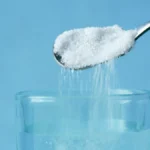
Farmers and feed producers use fumaric acid in animal feed. This compound increases stomach acidity, helps digestive enzymes function better, and helps animals absorb protein more efficiently. Fumaric acid also reduces harmful bacteria in the gut, helps animals use energy more efficiently, and maintains gut health by reducing diarrhea.
Key Takeaways
- Fumaric acid helps animals digest food better. It lowers the pH level in the stomach, thus helping enzymes break down proteins more effectively.
- Adding fumaric acid to feed can reduce harmful bacteria, promote a healthier gut, and reduce the incidence of diarrhea.
- Adding fumaric acid to feed helps animals absorb more nutrients, promotes growth, and improves feed utilization.
Fumaric Acid in Animal Feed

What is fumaric acid?
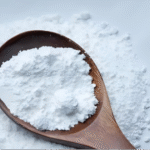
Fumaric acid is an organic compound with the chemical formula C₄H₄O₄. It is a white crystalline powder and belongs to the dicarboxylic acid family. Fumaric acid is found in plants, commonly found in corydalis (Fumaria officinalis). Many fruits and vegetables also contain fumaric acid. Animal feed manufacturers typically produce fumaric acid using two methods: microbial fermentation and chemical synthesis. Both methods are efficient in producing fumaric acid and ensure consistent purity and quality.
NORBIDAR is a trusted company that produces high-purity fumaric acid for animal feed. Their products meet stringent quality standards, contributing to healthier animal feed production.
| Method | Description | Benefits |
|---|---|---|
| Fermentation | Uses microorganisms to make fumaric acid. | Renewable source, better for the planet. |
| Chemical synthesis | Uses petrochemicals for fast, large production. | Same quality each time, good for industry. |
Why Add Fumaric Acid to Feed?
Feed producers add fumaric acid for several reasons. It’s an acidifier that lowers the pH level in an animal’s stomach, thus helping digestive enzymes function better. For example, enzymes like pepsin can break down proteins more effectively. Fumaric acid also helps keep feed fresh and inhibits the growth of harmful bacteria and mold.
Note: Farmers and feed producers typically add 0.5% to 1% fumaric acid to chicken and pig feed. This aids digestion and reduces the number of harmful bacteria.
Benefits for Animal Nutrition
Fumaric acid offers numerous benefits to animal feed. It helps animals digest food, promotes animal growth, and improves feed utilization.
| Mechanism | Description |
|---|---|
| Energy Metabolism | Helps animals use energy and nutrients better. |
| Mineral Absorption | Helps animals take in important minerals. |
| Lowering Stomach pH | Makes enzymes work better for protein digestion. |
| Boosting Digestive Enzymes | Makes enzymes break down feed more easily. |
| Antibacterial Effects | Keeps the gut healthy by lowering bad bacteria. |
Fumaric acid also ensures feed safety during storage and transportation. It inhibits the growth of mold and bacteria, thus extending feed shelf life.
NORBIDAR’s high-purity fumaric acid helps realize all these benefits. It helps chickens absorb nutrients, helps pigs gain weight, helps cattle maintain a healthy rumen pH, and helps fish feed remain stable.
Fumaric acid is safe and effective, making it an ideal feed additive. Experts say it is beneficial to all animals. Its numerous benefits make it a wise choice for high-quality animal feed.
Fumaric Acid Comparison Feed Additive

Fumaric Acid vs. Other Feed Additives
Fumaric acid differs from other feed additives. It penetrates deeper into the animal’s gut, helping them fight off harmful bacteria for longer. Farmers use fumaric acid to reduce the number of harmful bacteria and help maintain gut health. Fumaric acid can work synergistically with permeabilizers. These permeabilizers weaken the activity of Gram-negative bacteria, making it easier for other antimicrobial agents to enter the gut and work more effectively.
Many feed additives help lower the pH of stomach acid, aiding digestion and maintaining gut health. Fumaric acid has particular benefits. It can reduce methane emissions in sheep and goats by nearly 25% and in cattle by about 7%. This means that fumaric acid is most effective for sheep and goats compared to other additives.
Farmers choose fumaric acid because it helps animals utilize feed better, reduces diarrhea, and thus increases farmer profits.
Safety, Regulations, and Usage Guidelines
Regulatory agencies state that fumaric acid is safe for animal feed. It will not cause problems unless animals consume excessive amounts. Only very high intake levels may cause mild stomach pain or skin redness.
| Regulatory Agency | Region | Requirements |
|---|---|---|
| FDA | U.S. | Must meet safety, efficacy, and environmental standards for approval. |
| EFSA | Europe | Requires compliance with strict safety and efficacy standards. |
Fumaric acid is a safe and helpful feed additive. It helps animals stay healthy and grow well. Nutritionists see better gut health and faster growth in animals. Feed efficiency also gets better. Companies like NORBIDAR sell very pure fumaric acid. The market is moving toward eco-friendly and custom feed solutions.
| Trend | Description |
|---|---|
| Sustainability Initiatives | Eco-friendly feed additives drive innovation in organic acids. |
| Customized Solutions | Personalized blends meet specific livestock needs. |
FAQ
Which animals can consume fumaric acid in their feed?
Farmers feed fumaric acid to chickens, pigs, cattle, sheep, goats, and fish. Experts say this substance can be found in the feed of all animals.
Is fumaric acid safe for use in animal feed?
The regulatory bodies say that fumaric acid is safe for use in animal feed. Studies show that it is safe when used in the correct amounts.
How does fumaric acid help animals digest food?
Fumaric acid makes the stomach more acidic. This helps digestive enzymes function better. Animals can absorb nutrients more easily.