As a globally approved feed acidifier, fumaric acid is widely applied in swine nutrition per EFSA (European Food Safety Authority) feed additive standards. Academic meta-analysis and livestock feeding trials confirm that rational inclusion of fumaric acid effectively reduces post-weaning diarrhea incidence and improves growth performance in pigs, supporting stable herd health and production efficiency .
Key Takeaways
- Fumaric acid optimizes gastrointestinal pH balance, enhances digestive enzyme activity, and boosts nutrient digestibility and absorption rate to accelerate pig growth .
- Stage-based dosage of fumaric acid significantly reduces post-weaning diarrhea and maintains intestinal microflora balance in piglets.
- As a natural organic acid additive, it inhibits pathogenic bacteria colonization, reduces antibiotic dependence, and conforms to sustainable and green breeding norms.
Benefits of Fumaric Acid for Pigs

Improved Digestion and Nutrient Absorption
Fumaric acid regulates gastrointestinal pH to an optimal acidic range, inhibiting the proliferation of conditional pathogenic bacteria and protecting intestinal barrier integrity. It activates the activity of pepsin and microbial phytase in the small intestine, promoting the decomposition and absorption of protein, minerals and amino acids. At the microbial level, fumaric acid penetrates bacterial cell membranes, forcing bacteria to consume extra energy to expel hydrogen ions and inhibiting their growth and reproduction .
Relevant feeding trials show that microencapsulated fumaric acid improves the digestibility of dry matter, crude protein and energy in growing-finishing pigs, prolonging nutrient retention time in the gut and maximizing nutrient utilization. The effect varies slightly with diet formula and addition level, and targeted dosage adjustment by pig growth stage is required for optimal results .
Tip: Using fumaric acid often helps piglets and older pigs digest and absorb nutrients better.
Enhanced Growth and Feed Efficiency
Proper supplementation of fumaric acid significantly improves average daily gain and feed conversion ratio (FCR) in weaned piglets and growing-finishing pigs. By improving nutrient digestion and absorption, it reduces feed consumption per unit weight gain and raises breeding economic benefits.
It can be compounded with phytase and plant-based feed additives to exert synergistic effects, lower gastrointestinal pH, promote the proliferation of beneficial bacteria, and increase pancreatic secretion activity—especially suitable for alleviating growth retardation in post-weaning piglets, optimizing feed efficiency and carcass quality .
Note: Better feed efficiency means pigs grow faster with less feed, helping farms save money and support sustainable farming.
Gut Health and Pathogen Reduction
Fumaric acid maintains intestinal flora homeostasis by enriching beneficial bacteria and suppressing pathogenic bacteria, effectively reducing intestinal inflammation and lowering antibiotic usage in pig breeding. It acts mainly on the upper gastrointestinal tract to inhibit the colonization of harmful microorganisms and stabilize intestinal ecological balance .
Laboratory bacteriostatic tests show that 0.2%-0.4% fumaric acid inhibits Streptococcus and Staphylococcus; higher effective concentrations can suppress Escherichia coli and yeast reproduction. Field feeding trials prove that rational addition markedly reduces post-weaning diarrhea rate and improves intestinal health status of piglets .
Callout: Fumaric acid keeps pigs’ guts healthy and lowers bad bacteria, helping pigs grow naturally and use fewer antibiotics.
Practical Use and Safety of Acidifiers
Recommended Dosage and Application
Based on EFSA standards and swine feeding trial data, fumaric acid adopts stage-based differentiated dosage:
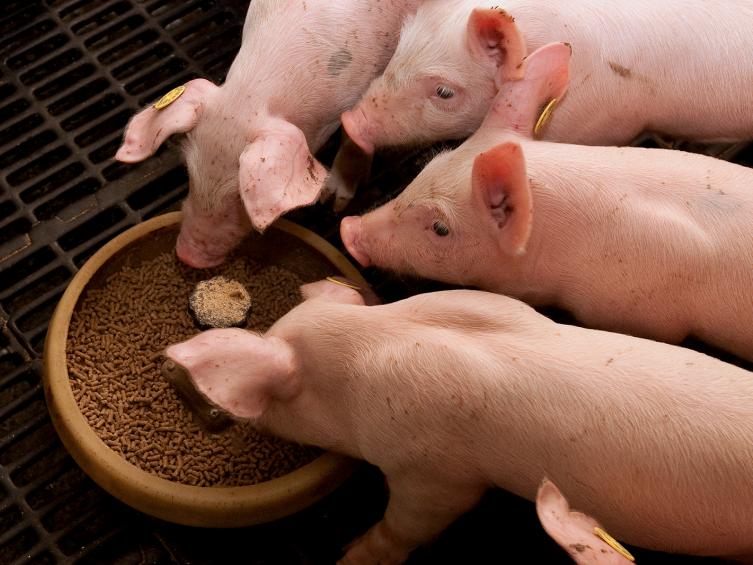
- Weaned piglets (post 28 days): Optimal inclusion 0.8%-1.5% , effectively reducing diarrhea and improving adaptation to solid feed .
- Growing-finisher pigs: Recommended dosage 0.5%-1.0% , for optimizing protein digestion and daily weight gain .
- Intestinal pathogen inhibition: 0.8% addition can significantly reduce Escherichia coli and coliform counts in pig gut.
For better efficacy, fumaric acid can be compounded with phytogenic additives and phytase; the specific dosage should be adjusted according to pig age, health status and feed formula .
Safety and Side Effects
Under standardized dosage, fumaric acid is safe for all growth stages of pigs, with no damage to intestinal tract, liver and metabolic function. Per EFSA scientific assessment, the maximum permissible dosage of fumaric acid in complete swine feed is 20,000 mg/kg, with a safety margin of about 2 times for conventional breeding .
Note: The 6,000 mg/kg safety threshold is derived from rat toxicology tests, not applicable to swine standards; excessive addition beyond the recommended dosage may increase liver metabolic burden, so dosage shall strictly follow stage-based recommendations. No adverse changes in gut pH, fatty acid metabolism and microflora were observed in piglets under normal dosage .
Sustainable Farming and Product Quality
Fumaric acid plays a key role in sustainable swine breeding: it improves feed utilization and mineral absorption, optimizes intestinal health, and reduces methane emission in digestive metabolism to lower breeding environmental impact .
As a professional fumaric acid manufacturer, NORBIDAR adopts green biosynthesis and intelligent production technology, with full-batch quality and safety testing. The independently developed cold water-soluble fumaric acid series provides stable, high-purity raw material solutions for swine feed formulation .
Fumaric acid helps pigs stay healthy and grow well. It also makes pigs use their feed better. Manufacturers and suppliers see these good effects:
- Pigs gain more weight after weaning.
- Pigs use feed better and grow faster.
- Pigs have healthier guts.
Experts say:
- Use 0.5% to 2% in pig feed.
- Always check the amount to keep pigs safe.
NORBIDAR Fumaric Acid is trusted for quality. Ask animal nutrition experts for advice that fits your pigs.
FAQ
What are the main benefits of adding fumaric acid to pig feed?
Fumaric acid helps pigs digest food better. This means pigs grow faster and have healthier stomachs. Farmers can also reduce their use of antibiotics in pigs.
Is NORBIDAR fumaric acid safe for pigs of all ages?
NORBIDAR fumaric acid is safe for both piglets and adult pigs. The supplier recommends using the appropriate amount of fumaric acid for best results.
How do producers use fumaric acid in pig feed?
Producers mix fumaric acid thoroughly into the feed. This ensures that each pig ingests the appropriate amount of fumaric acid. This helps with the pig’s growth and development and maintains its stomach health.