- Mid-to-High Concentration · Food-Grade Omega-3
Clear & Safe Omega-3,
engineered for purity & clarity
Zhejiang Norbidar Biomedicine produces food-grade EPA/DHA fish oil concentrates from 65% to 88%
— nearly colorless, physically separated, and free of fishy odor — via our proprietary NBD multi-stage distillation process.
A specification for every formulation
Ethyl ester (EE) Omega-3 concentrates in blended, EPA-rich, and DHA-rich profiles — from 65% to 88% EPA+DHA.
70–88%
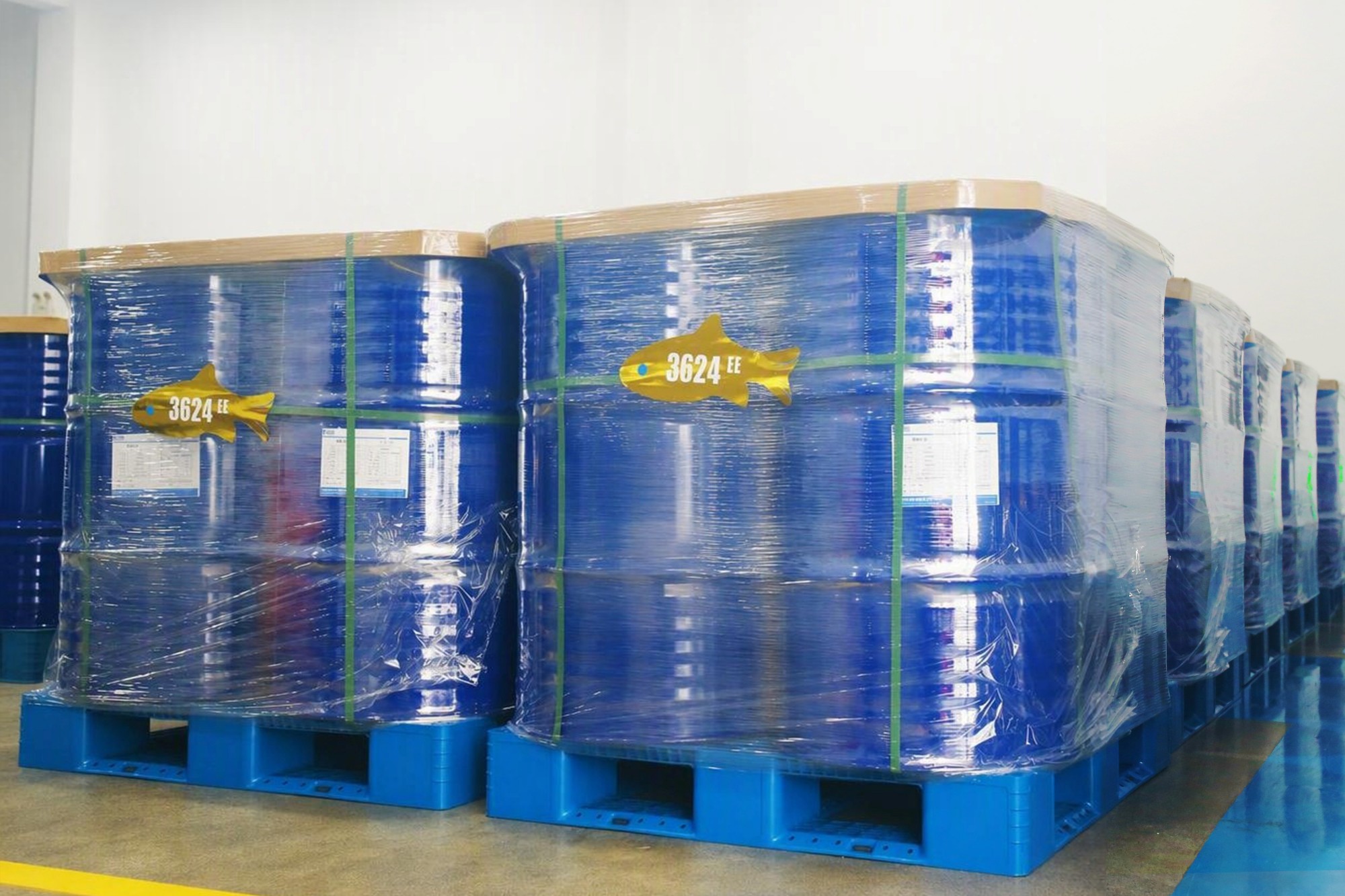
7000EE · 8000EE · 8500EE
70–88%
7000EE · 8000EE · 8500EE
About Norbidar
Zhejiang Norbidar Biomedicine produces food-grade EPA/DHA fish oil concentrates from 65% to 88% — nearly colorless, physically separated, and free of fishy odor — via our proprietary NBD multi-stage distillation process.
The NBD process
A multi-combined, high-efficiency continuous distillation that reaches mid-to-high concentrations other processes struggle to achieve.
High-efficiency distillation
Multi-combined continuous distillation delivers DHA+EPA up to 70–88% — beyond typical molecular distillation (30–60%).
Full component separation
EPA or DHA can each reach 88%, with the counterpart controlled below 0.1%.
Gentle, food-grade, safe
Physical separation, no urea, no toxic methanol — no ethyl carbamate, no cis-trans isomerization.
70–88% DHA+EPA
Conventional processes face a hard ceiling:
- Molecular distillation — typically only 30–60%
- Urea inclusion — food-incompatible, ethyl carbamate risk
- SFE / SFC / preparative LC — high cost, toxic solvents
- Rectification — isomerization, polymerization, coking
Five advantages, one clear standard
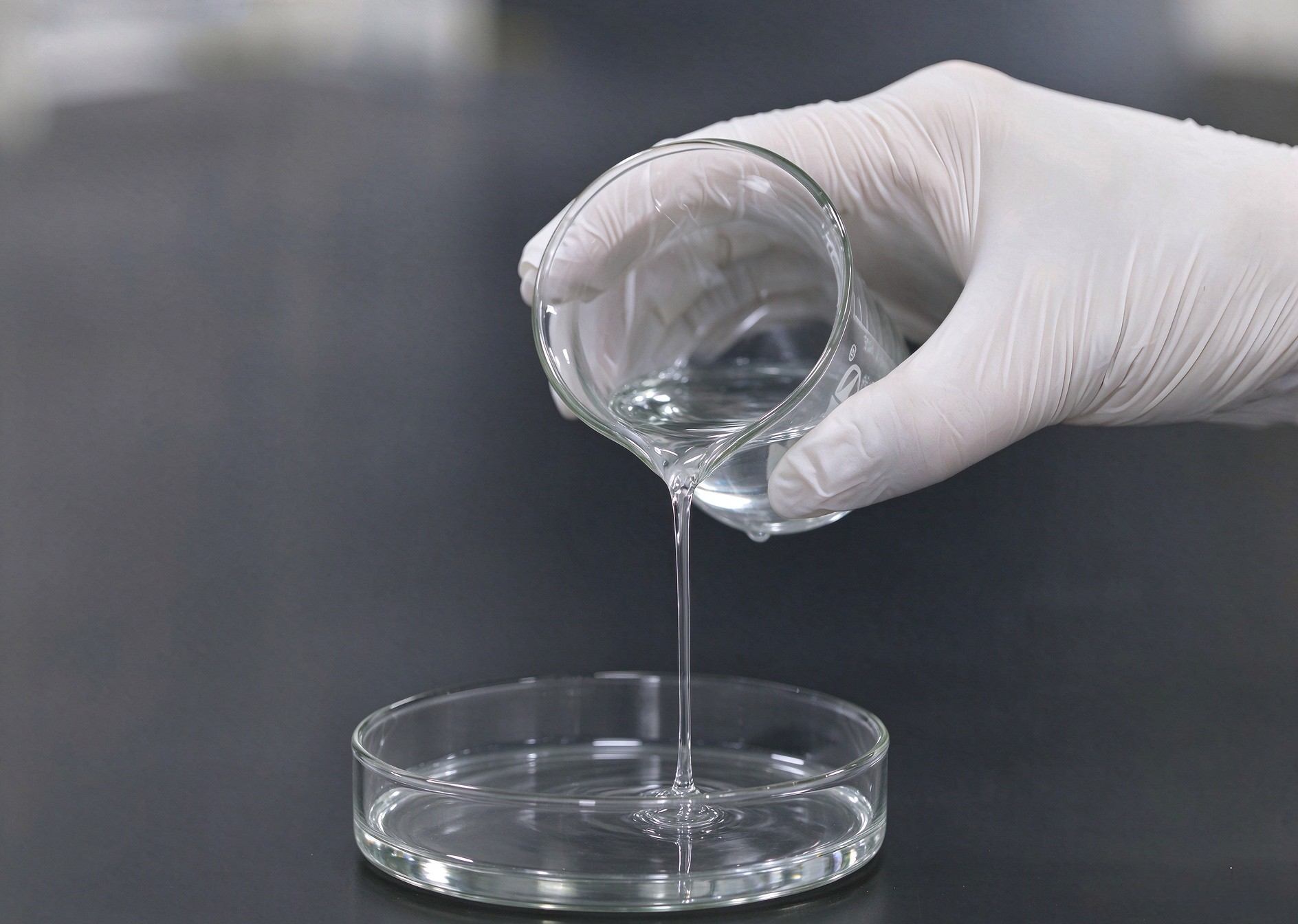
Our mid-to-high concentration fish oil reaches a new purity level, with Gardner color ≤ 2 and a nearly colorless appearance.
Light in color
Gardner ≤ 2, nearly colorless appearance.
Physical separation
Pure distillation — no solvents, no residues.
Ultra-low impurity
Controlled down to ≤ 0.5% for cleaner oil.
No fishy smell
Almost odorless for superior sensory profile.
Customized solutions
Specifications tailored to your formulation.
Latest news, reports from Norbidar
1. A milestone worth studying On 13 December 2019, the FDA approved icosapent ethyl as an adjunct to maximally tolerated statin therapy for patients with elevated triglycerides (≥150 mg/dL, fasting not required) who have established
1. A mechanism paper worth reading before the next claim is written The review — New insights into mechanisms of action for omega-3 fatty acids in atherothrombotic cardiovascular disease, by R. Preston Mason of Brigham and
1. A document written to resolve a contradiction Most consensus statements summarise. This one reads closer to an intervention. Its abstract names the problem outright: omega-3 fatty acids reduce triglycerides effectively, yet randomised trials of
1. The renaming is the message The 2023 guideline — developed by a joint expert committee convened by China's National Expert Committee on Cardiovascular Diseases with the Chinese Society of Cardiology and allied societies, and
Ready to formulate with clearer Omega-3?
Request a specification sheet, COA, or a sample.
Our team will respond within one business day.