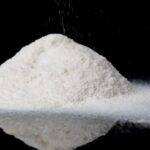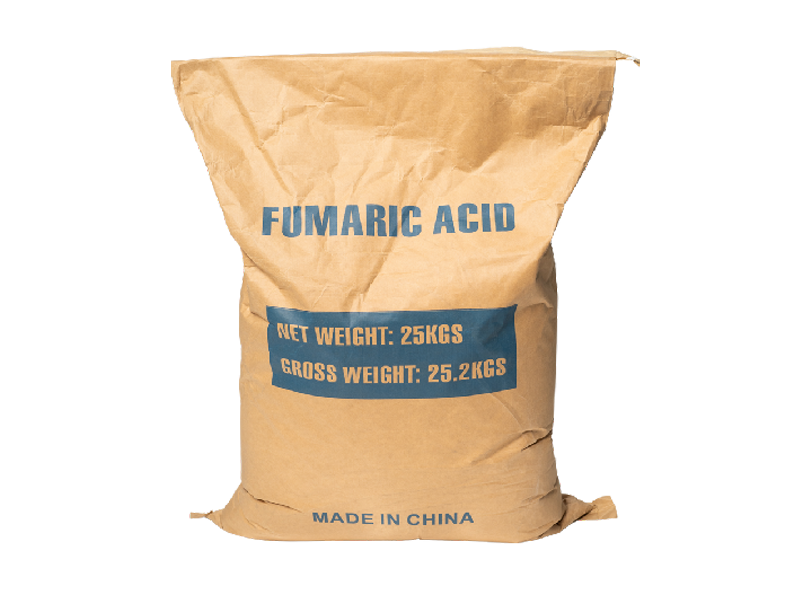
Fumaric acid is available as a partial or full replacement for citric acid and malic acid in certain beverage formulas. As common food acidulants, these ingredients modulate beverage sour sensory profile and stabilize shelf quality via pH reduction; lower pH conditions restrict the proliferation of common spoilage microorganisms indirectly.
Key Takeaways
- Fumaric acid may substitute citric or malic acid selectively in beverage formulations, delivering prolonged tart perception and enhancing the expression of fruit-based flavor notes.
- It stabilizes beverage pH to improve product storage stability and limits spoilage microbe reproduction indirectly.
- Beverage manufacturers need targeted formula adjustment and small-batch trial to achieve ideal sensory results when switching acid types.
Can Fumaric Acid Replace Citric or Malic Acid?
Substitution Possibilities
Fumaric acid can partially or fully replace citric or malic acid within suitable beverage formulas for its characteristic lingering tartness that lifts natural fruit flavors. NORBIDAR supplies specification-compliant food-grade fumaric acid suitable for large-batch production and custom beverage development.
There are some main chemical and working differences between fumaric acid, citric acid, and malic acid. These differences change how each acid acts in drinks:
- Fumaric acid and malic acid both have two carboxyl groups. Citric acid has three carboxyl groups.
- Fumaric acid and malic acid taste more sour than citric acid when you use the same amount and pH.
- Fumaric acid gives a strong, tart taste. This works well in acidified wines and grape drinks.
- Citric acid gives a quick, bright sourness. Malic acid gives a smoother, longer tartness.
- Citric acid mixes easily in cold water. Fumaric acid does not mix well in cold water but mixes better in hot water.
- Fumaric acid tastes more sour than citric acid. It is about 1.5 times more acidic by weight.
- Citric acid gives a fresh, citrus taste that goes away fast. Fumaric acid gives a more steady, long-lasting sourness with a special fruity taste.
Drink makers have used fumaric acid to take the place of citric acid or malic acid in many drinks:
- Fruit juice drinks
- Vegetable juice mixes
- Beer
- Wine
- Spirits
- Sports drinks
- Low-calorie drinks
These examples show that fumaric acid can work in many drink recipes. It is good when you want a strong, lasting sour taste.
When Is Replacement Effective?
Fumaric acid works best as a replacement when a drink needs a steady, long-lasting sour taste. It is very helpful in drinks that need a strong acid to balance sweetness or keep the drink fresh. Drink factories and special recipe makers often use fumaric acid because it keeps pH steady and helps drinks last longer.
But, there can be some problems when using fumaric acid instead of citric acid or malic acid. The table below shows some common problems and what they do to drinks:
| Challenge | Description | Implication for Food Products |
|---|---|---|
| Low aqueous solubility | Fumaric acid does not mix well with water | Can cause uneven flavor or texture in drinks |
| High acidic strength | Strong acid, but hard to control release | May lead to sudden sourness or stability problems |
| Slow diffusion | Does not spread quickly in food matrices | Keeps pH steady, but can make mixing difficult |
| Matrix design dependency | Needs special recipes to work well | Beverage makers must adjust formulas for best results |
Qualified raw material suppliers including NORBIDAR provide uniformly sized food-grade fumaric acid to ease dissolution difficulties during beverage production.
Fumaric Acid vs Citric Acid

Sourness and Flavor Profile
Fumaric acid and citric acid both change how drinks taste. Fumaric acid gives drinks a strong sour flavor. This sourness stays longer than citric acid. Many people say fumaric acid tastes fruity and special. Citric acid makes drinks taste bright and fresh. Its flavor goes away fast. Malic acid also makes drinks sour, but it is not as sharp as fumaric acid. Malic acid tastes smoother.
Tests show fumaric acid is very sour. Citric acid gives a quick sour taste. Fumaric acid keeps the sour flavor for a longer time. Malic acid is in the middle. It gives a gentle and lasting sourness. Fumaric acid can make your mouth feel dry. Citric acid leaves a clean taste. In acidified wines, fumaric acid helps fruit flavors stand out. It adds a taste that citric acid or malic acid cannot give.
- Fumaric acid: strong, long-lasting sourness, unique fruity taste
- Citric acid: bright, quick sourness, citrus flavor
- Malic acid: smooth, mellow tartness
Solubility and Application
Solubility shows how well an acid mixes in drinks. Fumaric acid does not mix well in water. It dissolves slowly. Citric acid mixes fast and fully. Malic acid also mixes well. This makes it easy to use in many drinks. The table below compares these acids:
| Acid | Solubility (g/L) | Sourness Intensity | Flavor Duration |
|---|---|---|---|
| Fumaric acid | 5.3 | Most intense | Long-lasting |
| Citric acid | 960 | Sharp, less intense | Short, quick |
| Malic acid | 845 | Mellow, moderate | Medium |
Fumaric acid’s slow mixing keeps the sour taste longer. Citric acid mixes quickly and gives a fast sour flavor. Malic acid is balanced. It mixes well and tastes gentle. Raw materials from suppliers such as NORBIDAR assist beverage producers in stabilizing product flavor and consistency via standardized fumaric acid raw material.
Tip: Drink makers should test how fumaric acid, citric acid, and malic acid change the taste and feel of their drinks. Custom recipes may need changes to get the best results.
Fumaric Acid vs Malic Acid
Taste and Beverage Use
Fumaric acid and malic acid both change how fruit drinks taste. Fumaric acid lowers beverage system pH and brings distinct lingering tartness, while malic acid provides milder, smooth lingering sourness. Formulators often combine the two acids to build balanced flavor profiles. Malic acid helps make drinks taste sweet and balanced. Sometimes, factories mix fumaric acid and malic acid for a special flavor. The table below shows how each acid changes the taste in drinks:
| Acid Type | Flavor Perception | Characteristics |
|---|---|---|
| Fumaric acid | Sweeter, less sour | Decreases pH without increasing sourness |
| Malic acid | Smoother, lingering tartness | Provides a long-lasting sourness that complements sweetness |
Drink makers add fumaric acid to make drinks sweeter and less sour. Malic acid gives a smooth and lasting sour taste. Using both acids together can make drinks taste just right.
Cost and Practicality
Malic acid costs a little less than fumaric acid for the same amount. This makes malic acid a good choice for low-calorie drinks. Many factories and sellers pick malic acid because it works well and saves money. Fumaric acid is still liked because it makes drinks taste better and last longer. Factories use fumaric acid when they need a strong acid for special recipes. Both acids help drink makers keep the taste and quality the same every time.
Tip: People who make drinks should try different amounts of fumaric acid and malic acid. This helps them find the best taste and price.
Acid Differences in Beverage
Buffering and pH Control
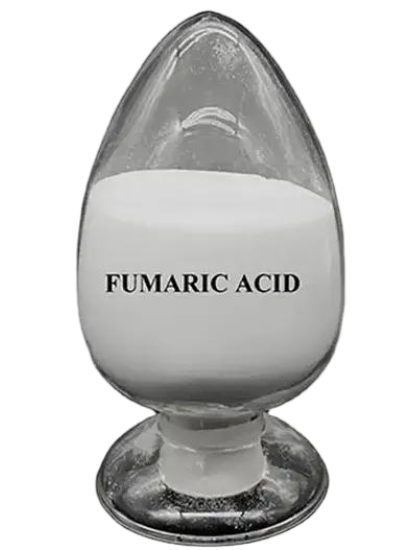
Fumaric acid helps control how sour a drink tastes. Factories use it to keep the pH at the right level. It is good at keeping the pH steady, even if other things in the drink change. This means the sour taste stays the same for a long time. Fumaric acid is very tart and does not mix well in water. This makes it useful for special drink recipes that need steady sourness. Factories and sellers pick fumaric acid because it always works well in drinks.
Shelf Life and Preservation
Thanks to its potent tart efficacy and low hygroscopicity, lower addition dosage of fumaric acid is required versus citric acid in many dry powder beverage bases; pH reduction inhibits microbial growth indirectly to extend shelf stability. It also keeps fruit flavors tasting fresh and true. Many sellers say fumaric acid is great for keeping drinks safe and tasty.
- Fumaric acid helps drinks last longer.
- It keeps drinks stable.
- It stops bacteria and mold from ruining drinks.
Consumer Acceptance
People notice the strong and lasting sour taste from fumaric acid. Many like how it keeps drinks tasting like real fruit. Fumaric acid helps drinks taste good and last longer. Factories and sellers trust it to make drinks that people enjoy.
Fumaric Acid Safety Considerations
FDA Status and Usage Limits
Fumaric acid food additive is important in making drinks. The FDA says fumaric acid is safe if used the right way. Factories and sellers must follow these rules to keep drinks safe. The rules for fumaric acid are in Title 21 of the Code of Federal Regulations. Fumaric acid obtains GRAS designation from FDA under 21 CFR regulations, with specified maximum usage limits varying by individual food category instead of a universal 0.1% cap across all beverages. Raw material suppliers including NORBIDAR produce food-grade fumaric acid complying with US regulatory specifications to help manufacturers meet legal limits.
Health and Allergenicity
Most people can use fumaric acid food additive with no problems. Serious health issues are not common when using the right amount. Some people may get mild effects like skin flushing, feeling sick, diarrhea, or stomach pain. These problems usually happen at first and go away soon. Less than 1% of people may get bad stomach problems. Allergies to fumaric acid food additive are rare, but some people may get headaches or feel sensitive.
| Adverse Reaction | Percentage of People |
|---|---|
| Flushing | 40% |
| Nausea | ≥10% |
| Diarrhea | ≥10% |
| Abdominal Pain | ≥10% |
Food-grade fumaric acid food additive from good companies like NORBIDAR is safe and works well. If factories follow the rules, bad effects are very rare. This makes fumaric acid a good choice for making drinks in big or small batches.
Note: Drink sellers should always check for new safety rules and limits for fumaric acid to make sure they follow the law.
Fumaric acid is a strong acidulant used in many drinks. The table below shows how fumaric acid is different from citric acid and malic acid:
| Property | Fumaric Acid | Citric Acid | Malic Acid |
|---|---|---|---|
| Acidity per unit weight | 1.5x citric acid | Standard | Standard |
| Solubility | Lower | Higher | Moderate |
| Antimicrobial | Effective | Limited | Limited |
Fumaric acid works well in dry mixes and solid foods. It is good for drinks that need a strong, long-lasting sour taste. People who make drinks should try using fumaric acid in their recipes. NORBIDAR is a trusted company that sells high-quality fumaric acid. Fumaric acid helps factories keep drinks safe and fresh. It also helps drinks last longer and taste good. Fumaric acid gives a special flavor and keeps drinks from spoiling. It can be used in many drink recipes. Fumaric acid is safe if you use it the right way. It can take the place of other acids in lots of drinks. Fumaric acid makes drinks stand out.
FAQ
What makes fumaric acid a good flavoring agent in drinks?
Fumaric acid gives a strong sour taste. It helps drinks taste fruity and fresh. Many factories use it as a flavoring agent to keep foods fresh.
How does fumaric acid affect pH and shelf life?
Fumaric acid lowers pH in drinks. This action keeps foods fresh and safe. It also stops bacteria and mold. Many suppliers trust it for long shelf life.
Does fumaric acid change the sensory impact of beverages?
Fumaric acid creates a unique sensory impact. It gives a long-lasting sour taste. Many people notice its smooth tartness and steady pH control in drinks.