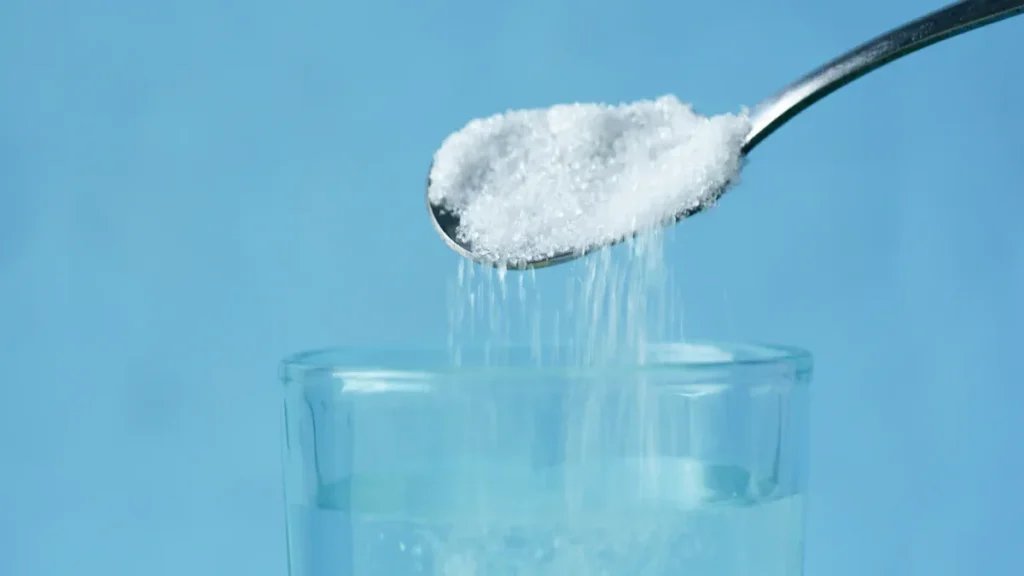
Manufacturers use fumaric acid as a beneficial plant-based acid in their cleaning products. Fumaric acid can break down powdery deposits and effectively remove stains and stubborn marks. Fumaric acid has better storage stability than citric acid. Today, cold-water-soluble fumaric acid has overcome the previous problem of poor solubility, making it superior to regular citric acid in cleaning performance.
Key Takeaways
- Fumaric acid safely removes hard mineral buildup and rust stains from metal objects.
- Dry fumaric acid resists water buildup and stays good in storage longer than citric acid.
- This new fumaric acid powder dissolves quickly in cold water, so you do not need to heat it up.
How Fumaric Acid Works for DescalingChemical Mechanism of Scale Removal
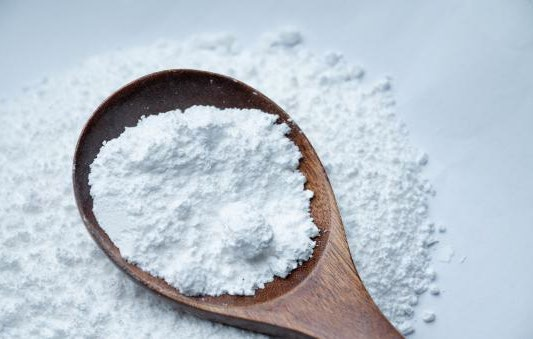
Fumaric acid is an effective weak dicarboxylic acid commonly used in powerful cleaning agents. Hard water leaves stubborn mineral deposits on the metal parts of machinery over time. These crust-like spots are typically composed of calcium carbonate or rust. Fumaric acid breaks down these hard mineral bonds through a simple chemical step called chelation. The acidic molecules combine with the positively charged mineral ions within the crust. This process converts solid scale into easily soluble chemical salts. Fresh rinsing water washes away these dissolved salts, leaving no residue. Metal parts remain smooth after each thorough cleaning.
Manufacturers choose fumaric acid as a dry cleaning agent because of its unique properties. Fumaric acid powder remains stable over long periods under dry storage conditions. Its low hygroscopicity prevents the powder from absorbing additional moisture during long-term storage. The powder flows well and does not form hard clumps in large packages. Compared to strong mineral acids, fumaric acid is gentler on sensitive metal parts. Strong mineral acids, such as hydrochloric acid or sulfuric acid, can rapidly corrode steel and damage copper pipes. Fumaric acid can safely remove mineral deposits without damaging the underlying equipment walls. This safety property makes this organic compound an ideal organic descaling agent for household appliances and industrial pipes.
Comparison of Fumaric Acid and Citric Acid
Chemical manufacturers often compare fumaric acid with citric acid when producing standard cleaning agents. Citric acid is a common choice for household care products. Citric acid is effective at removing mineral rings in daily cleaning. Both organic acids can easily remove surface scale in everyday use. However, their significant differences in solubility can affect their effectiveness in different environments. Fumaric acid works rapidly in cold liquids. Design teams consider temperature requirements before selecting an acid.
| Acid | Solubility in Cold Water | Solubility in Hot Water | Relevance to Cleaning Temperatures |
|---|---|---|---|
| Citric Acid | Highly soluble | Highly soluble | Effective in both cold and typical hot-water cleaning processes. |
| Fumaric Acid | Very low solubility | Readily soluble | Its utility in cleaning is primarily limited to processes using hot water. |
Citric acid dissolves rapidly in water at any temperature. Citrates effectively prevent rust while ensuring the safety of citric acid for everyday machinery. Fumaric acid maintains a stable pH during prolonged industrial cleaning cycles. Citric acid dissolves too quickly in hot water tanks. Fumaric acid releases its cleaning power at a stable rate during warm water washing cycles. The factory team selects specific formulations for particular hot water cleaning operations. Citric acid works rapidly, but its dicarboxylic acid compounds remain stable for a longer period in hot water baths. Citric acid has rapid acidity, capable of breaking chemical bonds. Factory managers utilize these properties to achieve optimal cleaning results.
Practical Fumaric Acid Uses in Cleaning
Preparation and Dissolution of Solutions
Product manufacturers select the acidic components based on the target soil type and temperature conditions. Fumaric acid has practical applications spanning a wide range of domestic and industrial uses.
| Cleaning Context | Scale/Stain Types Removed |
|---|---|
| All-purpose cleaners | Hard water stains, rust stains, mineral deposits, soap scum, mildew |
| Industrial cleaning | Scale (on boilers, heat exchangers, pipelines), rust on metal surfaces |
Standard fumaric acid shows low cold-water solubility. Normal grades dissolve at 0.6–0.7 g/100 mL in 20–25°C water. Standard fumaric acid dissolves efficiently when heated. This trait limits its use in cold liquid formulations. Factory teams historically preferred citric acid for cold applications. Citric acid dissolves quickly in ambient water. Modern technology solves this traditional hurdle.
Engineers developed NORBIDAR CWS fumaric acid to overcome cold dissolution challenges.
| Attribute | Cold-Water Soluble (CWS) | Hot-Water Soluble (HWS) |
|---|---|---|
| Appearance | Pure white fine powder with smaller particle size | White crystalline powder with uniform granularity |
| Solubility | Dissolves rapidly in cold/ambient water; dissolves 60–65% faster in 10–25°C water | Low solubility at room temperature (0.6–0.7 g/100 mL at 20–25°C); dissolves efficiently when heated |
| Application | Ideal for instant beverages, powdered drink mixes, and cold-processed foods | Used as acidulant, acidity regulator, preservative in hot-fill or cooked processes; also used in pharmaceuticals |
| Cost | Most expensive due to fine particle treatment and enhanced solubility | Roughly 60–70% of CWS cost; more economical than CWS |
NORBIDAR CWS boasts a purity of 99.5-100.2%. Its low hygroscopicity prevents clumping in dry powder mixtures. Manufacturers can use this readily dissolving powder to create powerful solid cleaning products. Fumaric acid is a strong acid, comparable in strength to citric acid. Fumaric acid has a higher acidity per unit weight than citric acid.
Safe Applications and Material Safety
Fumaric acid exhibits excellent material compatibility. Low-concentration solutions can gently treat a wide range of surfaces. This mild acid protects rubber seals and common plastics. Fumaric acid safely removes scale from standard metal surfaces. Citric acid also protects metal machinery. Citric acid prevents rust formation during rinsing. Fumaric acid is a non-corrosive alternative to strong mineral acids.
Workers must wear proper gear when handling raw acid powders. Fumaric acid dust can irritate skin and eyes.
- Protective safety glasses keep flying chemical dust out of the eyes
- Heavy waterproof boots and gloves safeguard delicate skin on hands and feet
- Special protective clothing prevents painful chemical burns or itchy skin rashes
- Tight respiratory masks block dangerous floating dust particles from entering lungs
Plant crews mix a solid cleaner using dry fumaric acid. Workers spray the diluted liquid onto stained equipment walls. The organic solution dissolves hard minerals without scratching underlying steel. Fumaric acid cleans surfaces effectively while citric acid serves rapid liquid processes. Practical fumaric acid uses expand as new grades hit the market. These innovations help factories produce cheaper cleaning products.
Fumaric acid is a reliable cleaning agent that effectively removes stubborn limescale. Regular fumaric acid requires warm water to dissolve, while citric acid dissolves much faster in cold water. NORBIDAR’s specially formulated CWS and HWS fumaric acid products offer excellent cleaning results in both homes and factories. The factory team now uses fumaric acid instead of citric acid to produce lower-cost cleaning products.
FAQ
Will fumaric acid damage metal equipment during descaling?
No. Fumaric acid does not cause any damage when cleaning metal parts. It is much gentler than strong mineral acids. This organic acid removes stubborn mineral scale while safely protecting rubber seals, plastic parts, and steel walls.
How does fumaric acid dissolve in cold water compared to citric acid?
Regular fumaric acid dissolves more slowly in cold water than citric acid. However, some special cold-water soluble fumaric acids dissolve 60% to 65% faster than citric acid in liquid mixtures at room temperature.
Why do manufacturers use fumaric acid in powder form?
Fumaric acid in powder form is moisture-resistant and remains stable during long-term storage. The powdered form prevents clumping in dry packaging and provides a stable acidity during cleaning operations.