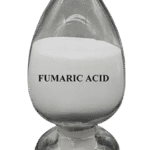
The HS code for fumaric acid is 29171950. NORBIDAR is a reputable company known for producing and supplying high-quality fumaric acid, with products sold worldwide. Fumaric acid plays a vital role in the food and beverage industry, used to control acidity and improve ingredient mixing. Furthermore, fumaric acid is an essential raw material for manufacturing high-strength resins, which are widely used in the construction, automotive, and shipbuilding industries. It is also used in the paint, coating, and paper industries. Using the correct fumaric acid HS code is crucial for smooth customs clearance, helping to avoid delays and penalties, and ensuring compliance with international trade regulations.
Key Takeaways
- The HS code is essential for simplifying customs inspections and complying with trade rules. Using the correct HS code helps avoid shipping delays and penalties and facilitates trade with other countries. Fumaric acid used in food and beverage industry, as well as in pharmaceuticals and the manufacture of high-strength resins. Companies need to prepare customs declaration documents such as safety data sheets and analysis certificates. These documents facilitate smooth shipment. Please be sure to check the latest HS codes and trade rules. This will help you avoid mistakes and comply with relevant regulations.
What is HS coding?
Definition and purpose
HS codes are a set of numerical systems used to classify traded products. Governments and businesses use HS codes to identify goods being transported. The World Customs Organization developed this system so that customs officials worldwide can understand each other. Each HS code consists of numbers that represent the product’s name, purpose, and method of use.
The main uses of HS codes include:
- Determining the correct customs duties on a product.
- Ensuring accurate tax calculations.
- Preventing overpayment or underpayment of customs duties.
- Reducing the risk of being inspected or fined due to errors.
Using the correct HS code is crucial for compliance with the law. Using an incorrect code may result in fines or charges of violating regulations.
Role in trade
HS codes play a vital role in global trade. They help customs officials identify products, thus speeding up customs clearance at borders. HS codes also facilitate better communication of product information between countries during trade negotiations. This reduces confusion and helps people understand each other.
The following table illustrates the importance of HS codes in trade:
| Purpose | Description |
|---|---|
| Duty and tax assessment | HS codes help decide what taxes and fees must be paid. |
| Customs clearance speed | Using the right code means fewer delays at the border. |
| Regulatory compliance | HS codes make sure products have the right permits or meet rules. |
| Supply chain strategy | The right code helps companies save money and avoid extra checks. |
Customs codes (HS codes) also help track global trade. They provide useful information for governments to study import and export situations. For example, when importing chemicals, using the correct HS code for fumaric acid helps with customs clearance and declaration.
Fumaric acid HS code
Code 29171950 explained
The HS code for fumaric acid is 29171950. This code helps customs officials identify the product and also helps businesses ship fumaric acid to other countries. This code belongs to the class of carboxylic acids and their derivatives. Each part of the code describes the chemical substance and its uses.
The following table lists the main chemical properties of fumaric acid:
| Property | Value |
|---|---|
| CAS Number | 110-17-8 |
| EINECS EC Number | 203-743-0 |
| HS Code | 29171950 |
| Molecular Weight | 116.07 |
| Molecular Formula | HOOCCH=CHCOOH |
| Description | Fumaric acid is a white solid, found in nature, with a fruit-like taste, used as a food additive. |
NORBIDAR’s high-quality fumaric acid conforms to the above description. The company employs new technologies to ensure product purity and safety. Using the correct HS code helps NORBIDAR smoothly ship its products across borders.
The correct HS code is crucial for settlement, taxation, and compliance with trade rules. Using an incorrect code may result in delays or additional charges.
Applications and industry use

Fumaric acid is widely used in numerous industries. The food and beverage industry is a major consumer of fumaric acid. Companies add it to baked goods, beverages, and desserts to give them a sour taste and extend shelf life. The pharmaceutical industry uses fumaric acid to produce drugs for treating psoriasis and multiple sclerosis. Resin and polymer companies use fumaric acid to manufacture high-strength materials for construction, automotive, and marine applications.
The following table lists the major industries and their uses of fumaric acid:
| Industry | Main Applications |
|---|---|
| Food and Beverage | Used for flavor and keeping food fresh in baked goods, drinks, and desserts. |
| Pharmaceutical | Used to make medicine for psoriasis and multiple sclerosis. |
| Resin and Polymer | Used in resins for construction, cars, and boats. |
NORBIDAR’s fumaric acid is a typical product used in numerous industries. Food companies use it to improve the taste of food and extend its shelf life. Animal feed companies add it to promote animal growth and maintain health. Manufacturers use it to produce high-strength, durable resins. The pharmaceutical industry uses it to produce essential drugs.
Using the correct fumaric acid HS code helps businesses pay the correct taxes and comply with trade regulations. This avoids customs issues and ensures smooth business operations.
Using the Fumaric acid HS code
Customs and Documentation
When exporting fumaric acid to other countries, businesses must complete the correct HS code on all customs declarations. This code helps customs officials understand the product type and determine whether taxes or inspections are required. Clear and accurate documentation is required for each shipment. Errors can cause delays or increase costs.
Customs officials often need to review certain documents to verify the product and its HS code. These documents show the product type and whether its quality meets standards.
Companies should prepare these documents for each shipment. Customs officials may request to review them at any time.
Trade Compliance Steps
Trade compliance refers to adhering to all rules for exports to other countries. Companies must use the correct fumaric acid HS code on invoices, packing lists, and shipping labels. They also need to check if the destination country has any special regulations for chemicals.
Here are some trade compliance steps:
- Fill in the correct HS code on every document.
- Add necessary safety and quality documents.
- Check the import regulations of the destination country.
- Update your records if regulations or codes change.
- Train staff on how to find and correct errors in documents.
Using the correct HS code and related documents helps goods clear customs smoothly. This also helps companies avoid fines or delays.
Fumaric Acid HS Code Classification Tips
Important Notes for Different Countries
Different countries may use different codes or rules for fumaric acid. Customs officials will check which chemicals are contained in the product, its raw materials, and its intended use. Some countries subdivide fumaric acid into smaller categories. For example, they might classify products made from aromatic hydrocarbons into one category and other products into another. This means that the same chemical substance might be coded differently.
| Classification | Description |
|---|---|
| 2917.19.20.00 | Fumaric acid from aromatic hydrocarbons, used in food, beverages, and resins. |
| 2917.19.15.00 | Non-aromatic fumaric acid, under general acyclic polycarboxylic acids. |
Customs officials also check for any special laws or standards. They may change codes or rules annually. Companies should pay attention to the latest information from the World Customs Organization and local customs authorities. Regularly checking records helps ensure everything is accurate.
Common mistakes
Choosing the correct code for fumaric acid can cause serious problems. Sometimes, companies use the wrong section or an outdated code. This can result in fines, delayed shipments, or even goods being detained at the border. Some goods are detained for violating security regulations. Others lose export benefits due to incorrect coding.
Here are some common mistakes:
- Choosing the wrong section, leading to changes in taxes and fees.
- Failure to update codes in a timely manner when rules change.
- Using the wrong dangerous goods code, resulting in goods being detained.
Customs officers will focus on the following important aspects when checking codes:
| Key Factor | Description |
|---|---|
| Product Composition | The chemical makeup of the product. |
| Materials | The raw materials used. |
| Intended Use | The main purpose of the product. |
| Specific Regulations | Laws or standards that apply to the product. |
The best way to avoid errors is to keep proper records, seek help from trade experts, and frequently check codes. Companies should train employees on how to find and correct errors in documents.
Tip: Careful categorization helps avoid problems and ensures smooth cargo transport.
FAQ
What is the correct HS code for fumaric acid?
The correct code is 29171950. This code helps customs officials identify the type of fumaric acid during transport or trade.
Why is it important to use the correct HS code for fumaric acid?
Using the correct code simplifies customs inspections. It helps businesses avoid waiting, fines, or violations of trade rules.
Does the HS code for fumaric acid differ between countries?
Some countries may use different codes or add more numbers. Always consult your local customs before shipping.
What documents are required for the shipment of fumaric acid?
Shipping requires a Safety Data Sheet, Certificate of Analysis, and product details. These documents help customs officials inspect the product type and quality.
Who can answer questions about the HS code for fumaric acid?
Trade experts, customs brokers, and local customs officials can answer these questions. They help businesses understand new regulations and codes.