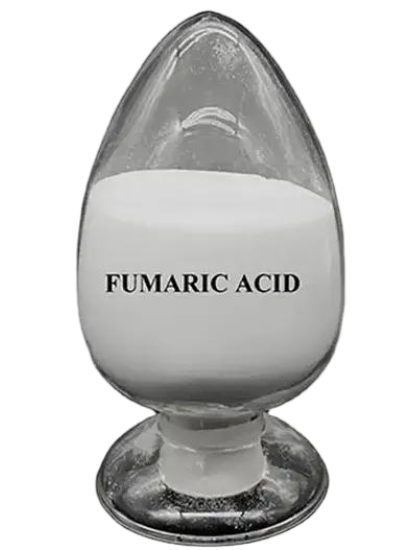
Fumaric acid can be used as a partial or full replacement for malic acid in baking formulations. Its applicability relies on product categories, production processes and desired flavor characteristics. Manufacturers often select fumaric acid for its high acid potency, low hygroscopicity and excellent stability in dry premixes. When replacing acidulants, bakers must evaluate changes to flavor, texture and leavening performance. For food safety purposes, only food-grade fumaric acid compliant with local food additive regulations should be used in bakery production.
Key Takeaways
- Fumaric acid can replace malic acid in baking. It extends the shelf life of finished goods and maintains good stability as a raw material during storage.
- For conventional baked goods including bread, muffins and cakes, a commonly adopted practical substitution ratio is 2 parts by weight of fumaric acid to 3 parts of malic acid. This ratio helps retain consistent tartness and texture under standard production conditions.
- Blend fumaric acid with dry ingredients in advance to prevent agglomeration and ensure even distribution within dough or batter.
- Fumaric acid produces a more intense tart taste and generally creates a firmer, chewier texture in most baked products.
Fumaric Acid vs Malic Acid
Acidity and Solubility
Fumaric acid and malic acid are both used in baking. They have different chemical properties. Fumaric acid has a higher effective acidity in food systems than malic acid, resulting in a more pronounced tart taste in baked goods. Another difference is how well they dissolve in water. Malic acid has excellent water solubility and dissolves rapidly in dough and batter, while fumaric acid is poorly soluble in cold water and requires sufficient mixing. The table below shows how much of each acid can dissolve in water at room temperature:
| Acid | Solubility in Water (g/L) at Room Temperature |
|---|---|
| Fumaric Acid | 5.3 |
| Malic Acid | 845 |
Malic acid mixes into dough or batter very quickly. Fumaric acid needs more mixing because it does not dissolve as fast.
Flavor and Baking Impact
Each acid changes the taste of baked goods. Fumaric acid is generally associated with a sharper and more persistent sourness compared with malic acid. Malic acid tastes smoother and more like fruit. The table below shows how each acid affects flavor and texture:
| Acid Type | Flavor Profile | Texture Contribution |
|---|---|---|
| Fumaric Acid | Strong, lasting sourness | Improves texture significantly |
| Malic Acid | Smooth, fruity taste | Contributes to texture, but less so |
Fumaric acid delivers a prominent tart note and alters product texture noticeably. Malic acid provides a mild, fruity tartness. Both acidulants regulate product pH and support shelf-life retention, while they differ significantly in flavor and textural effects.
Fumaric Acid Substitution Guide
Recommended Ratios
There is no universal substitution ratio for fumaric acid and malic acid. The correct dosage is determined by acid potency, product moisture content, flavor balance and production processes. To maintain consistent tartness and overall flavor, commercial bakeries always conduct pilot tests to verify dosages before mass production.
| Malic Acid (lbs) | Fumaric Acid (lbs) |
|---|---|
| 3 | 2 |
| 6 | 4 |
| 9 | 6 |
This table shows how to change the amount for different batch sizes. Companies can use more or less fumaric acid based on how much malic acid they used before.
Mixing and Incorporation Tips
Fumaric acid dissolves more slowly than malic acid, so thorough mixing is required to avoid uneven acidity in dough. Mild heating is sometimes applied in production to improve its solubility. In commercial operations, pre-blending fumaric acid with dry ingredients is standard practice to achieve uniform distribution.
Tip: Combine fumaric acid with dry raw materials prior to adding liquids to avoid agglomeration and ensure uniform tartness throughout the product.
- Within normal dosage range, fumaric acid can enhance the strength and extensibility of dough.
- Like other food acids, fumaric acid can react with sodium bicarbonate in chemically leavened systems to release carbon dioxide during baking.
- It maintains stable pH values, protects fruit flavors and inhibits microbial growth to extend shelf life.
- Under the standard substitution ratio, fumaric acid causes minor changes to gel strength and system pH, so the final texture and firmness are comparable to products using malic acid.
Effects on Baked Goods
Taste and Texture Changes
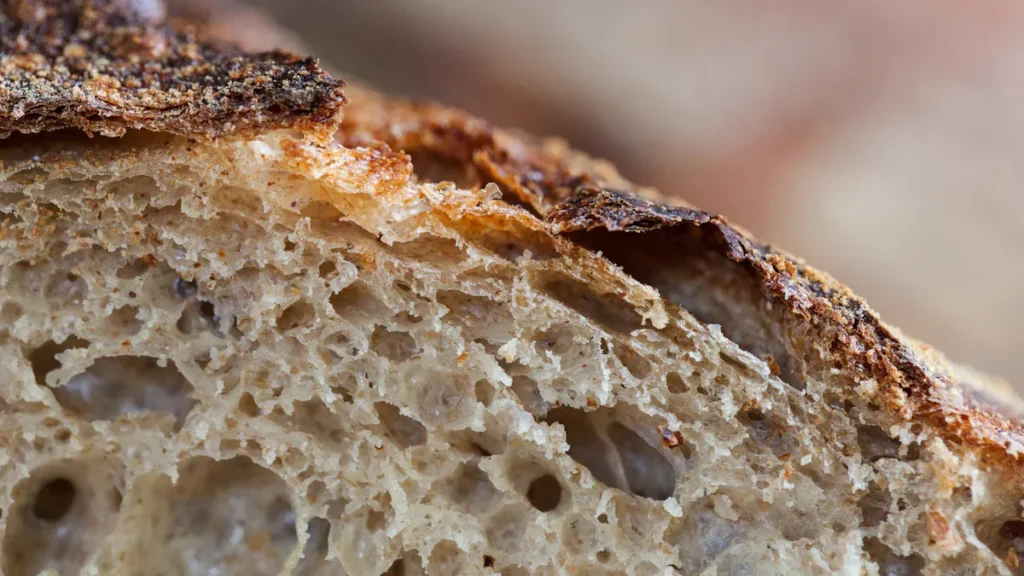
Fumaric acid creates a stronger and longer-lasting tart flavor compared with malic acid.Many companies use fumaric acid for a bold taste in bread, cakes, and muffins. Malic acid gives a smoother, fruity flavor. Both acids help balance sweet and sour tastes. Fumaric acid is known for its strong flavor.
Dough acts differently with each acid. Fumaric acid reinforces dough strength and extensibility, contributing to a soft and chewy crumb in bread. While malic acid also improves dough properties, fumaric acid delivers a firmer texture overall. It is preferred for formulations that require a firm texture and long-lasting tart flavor.
Note: Fumaric acid works best in dry mixes. It does not soak up much water. This keeps dough from getting sticky and keeps the texture the same.
Leavening and Shelf Life
Fumaric acid reacts with sodium bicarbonate to produce carbon dioxide, which leavens dough and creates a light, airy texture. As an acidulant, it lowers product pH to inhibit microbial growth and delay staling. Malic acid delivers similar preservative effects in baked systems.
Overall, fumaric acid strengthens dough texture and extends the shelf life of bread, cakes and muffins.
Safety and Practical Tips
Common Issues and Solutions
Fumaric acid is approved for food use in most regions when dosed in compliance with local food additive regulations. Excessive consumption of acidulants may cause mild gastrointestinal discomfort. Vulnerable groups including children, the elderly and people with weakened immunity should avoid over-intake of highly acidic baked foods.
Tip: Always measure the acid carefully. Using too much can make baked goods taste very sour or upset your stomach.
Factories sometimes see clumps or uneven mixing. To stop this, add the acid to dry ingredients first. Mixing well spreads the acid evenly. If dough does not rise, check the amount of baking soda and acid. Changing these can help the dough rise better.
| Problem | Solution |
|---|---|
| Clumping | Mix with dry ingredients before liquids |
| Uneven sourness | Ensure thorough mixing |
| Poor dough rise | Check acid and baking soda amounts |
| Stomach discomfort | Use correct dosage and follow guidelines |
Using Encapsulated Fumaric Acid
Encapsulated fumaric acid gives many benefits to manufacturers and suppliers. This special kind has a coating that delays when the acid works during baking. The table below shows how encapsulated fumaric acid helps in baking:
| Benefit | Description |
|---|---|
| Delayed Release | Delayed acid release can help optimize reaction timing in some baking systems |
| Preservation of Yeast Activity | Allows yeast to work before acid is released |
| Optimized Acidification | Lowers pH at the right time for best bread quality |
| Improved Mold Inhibition | Extends shelf life by fighting mold after baking |
| Better Antiseptic Effect | Works well with preservatives for food safety |
| Reduction of Defects | May help reduce premature reactions during dough preparation and storage |
Encapsulated fumaric acid helps factories keep baked goods fresh longer. It makes dough stronger and improves the inside of bread by reacting with baking soda at the right time. Because the acid is released slowly, factories can use less and still get good results. Encapsulated fumaric acid can further prolong the soft texture and shelf life of bread, making it widely used in large-scale bakeries.
Note: Encapsulated fumaric acid helps save money and makes high-quality baked goods.
Fumaric acid is a viable substitute for malic acid in bakery production. It delivers a pronounced tart flavor, reinforces dough structure and extends product shelf life. When selecting raw materials, manufacturers should prioritize food-grade fumaric acid with high purity, consistent particle size and full regulatory compliance.
- The acid helps baked goods by making them sour, stable, and fresh.
Using new ingredients can help factories make better recipes and products.
FAQ
What does fumaric acid do in bread baking?
Fumaric acid creates a distinct tart flavor, promotes dough leavening and improves mouthfeel. It also helps extend the shelf life of bread, and performs stably in large-scale production.
Can fumaric acid replace malic acid in all bread recipes?
It can be used as a substitute in most bread recipes after dosage adjustment to maintain ideal flavor and texture. This replacement also helps improve product shelf life.
How does fumaric acid affect bread shelf life?
Fumaric acid helps bread stay soft and fresh for more days. It slows down spoilage so bread does not go bad quickly. Factories and suppliers use it to keep bread good during shipping and storage.
Is fumaric acid safe for bread production?
Fumaric acid is approved for bread production by global food safety authorities. Manufacturers must follow local regulations and use specified dosages.
Why do manufacturers prefer NORBIDAR fumaric acid for bread?
NORBIDAR sells very pure fumaric acid. Factories trust it because it always works well in bread. Suppliers like its quality because it makes bread taste better and stay fresh.