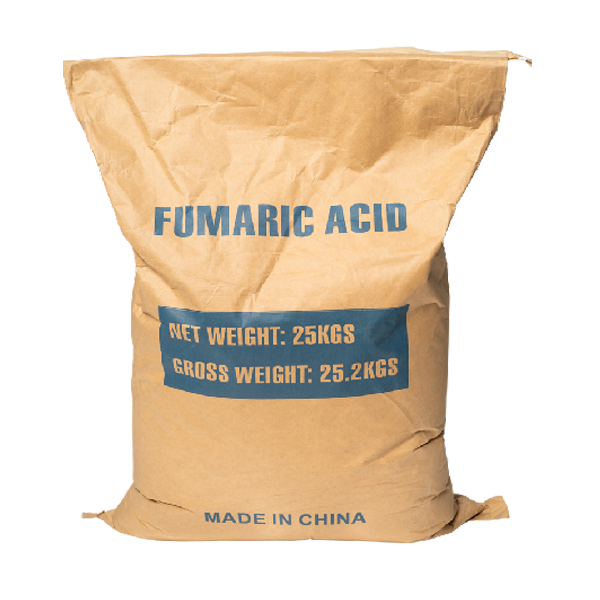
E number E297 is for fumaric acid. It is a food additive. It helps control acidity and keeps food fresh. As a naturally occurring dicarboxylic acid, fumaric acid is widely utilized across various regulated industries due to its exceptional buffering capacity and low hygroscopicity. NORBIDAR supplies high-purity, food-grade fumaric acid that complies with global pharmacopeia and food chemical codex standards. The table below outlines its primary industrial and commercial applications:
| Sector | Application |
|---|---|
| Food | It controls acidity, boosts flavor, and keeps food fresh. It is used in drinks, candies, jellies, and meat. |
| Personal Care | It is used in some personal care items and medicines. |
| Industrial | It helps make polyester resins, glues, and is used as a sour seasoning. |
Key Takeaways
- E297, called fumaric acid, is a safe food additive. It helps control acidity and keeps food fresh.
- Fumaric acid is used in many products. These include food, personal care items, and industrial uses.
- Look at labels for E297 to find foods with a sour taste. It also helps food stay fresh longer.
Fumaric acid E-number explained
What is E297?
E297 means fumaric acid. It is a food additive. It helps control acidity and keeps things fresh. Many countries allow fumaric acid in food and drinks. The European Union, United States, Australia, and New Zealand all say it is safe. The European Food Safety Authority and the U.S. Food and Drug Administration both agree it is safe to eat. In Australia and New Zealand, it is called additive number 297.
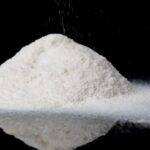
Fumaric acid (E297) typically presents as white, odorless monoclinic crystals or crystalline powder. It possesses a melting point of approximately 287°C and exhibits low solubility in cold water, which increases significantly in heated solutions—a property leveraged during food processing formulations.
From a flavor profile perspective, fumaric acid is highly efficient, delivering approximately 1.5 times the perceived sourness of anhydrous citric acid. This high acidifying power allows manufacturers to achieve the desired pH reduction and flavor impact at lower dosage levels, effectively inhibiting microbial growth and extending shelf life. To meet these precise formulation requirements, manufacturers like NORBIDAR produce refined-grade fumaric acid strictly adhering to international food safety management systems, ensuring optimal particle size distribution and stability in baked goods and dry mixes.
Why E-numbers matter
The E-number system helps people know what additives are in food. The “E” stands for Europe. Each number is for a certain additive that passed safety checks. The Codex Alimentarius started this system in the 1960s. It made food rules the same in many countries. Now, E-numbers are on ingredient lists all over the world. This helps people know what is in their food.
- E-numbers make it easy to see what additives are in food.
- Each E-number is for an additive that is tested for safety.
- The system helps people avoid additives they do not want.
- E-numbers help people trust the food industry.
| Region | Regulatory Approval Details |
|---|---|
| United States | FDA says fumaric acid is a food additive and GRAS (Generally Recognized as Safe). |
| European Union | EFSA says fumaric acid (E297) is safe and checks it often. |
| Australia/New Zealand | Approved food additive with code number 297. |
Globally, food-grade fumaric acid must meet stringent purity criteria, such as those defined by the Joint FAO/WHO Expert Committee on Food Additives (JECFA) and the Food Chemicals Codex (FCC). In the United States, it is recognized as Generally Recognized as Safe (GRAS) under FDA 21 CFR §182.1065. In the European Union, its specification as E297 is strictly regulated by Regulation (EU) No 231/2012.
Fumaric acid uses and identification
Where fumaric acid (E297) is found
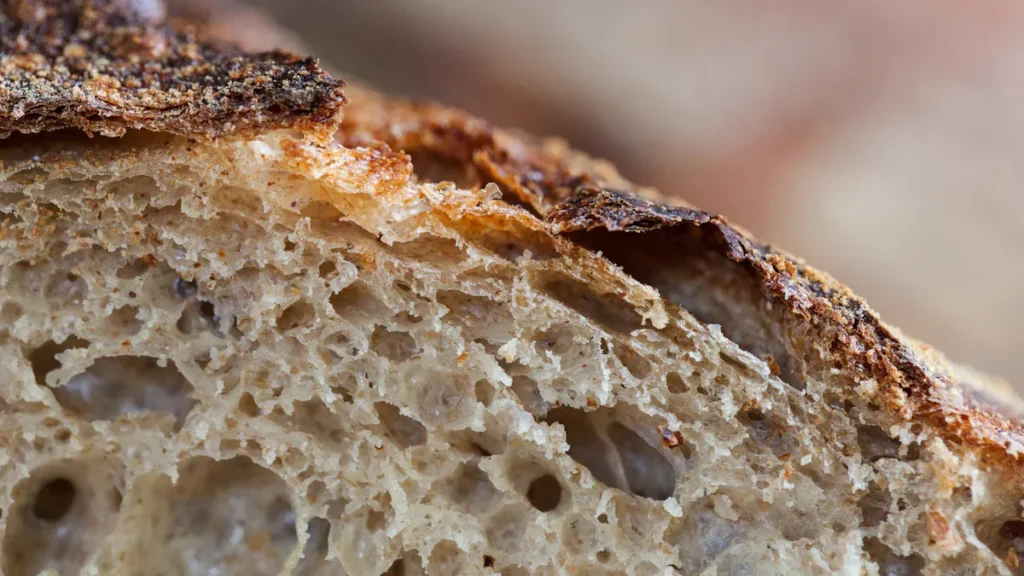
Fumaric acid is in many foods and products. Companies add it to drinks for a sour taste and to keep the pH steady. It works well in dry mixes because it does not soak up water. This helps powders stay fresh. You can find fumaric acid in grape berries, apples, tomatoes, carrots, and wines. Bakeries use it in bread, tortillas, and cakes. It helps keep them soft and fresh. Confectioners utilize its low hygroscopicity to prevent moisture absorption in sour-sanded gummies and chewing gums, thereby preventing product degradation during storage. Beyond human nutrition, it serves as an effective acidifier in animal nutrition, where it supports gut health and optimizes feed conversion ratios in livestock. Personal care brands put it in creams, scrubs, and lotions. It helps make skin smooth and bright. Factories use fumaric acid in resins, plastics, and glues.
| Industry | Application Description |
|---|---|
| Pharmaceuticals | Used in various pharmaceutical products. |
| Personal Care | Added to skincare products like scrubs, masks, creams, and lotions. |
| Industrial | Utilized in the production of resins, plastics, coatings, and adhesives. |
How to spot E297 on labels
People can find fumaric acid as E297 or by its name on ingredient lists. Food codes help shoppers know which things control acidity and keep food fresh. For example, a fruit dessert label might say “E297” or “fumaric acid.”
Note: The maximum permitted levels (MPLs) listed below are aligned with the standards established by the Codex Alimentarius Commission (Codex STAN 192-1995) for food categories:
| Food Category | Maximum Level (ppm) |
|---|---|
| Fruit-flavoured desserts | 4000 |
| Sugar confectionery | 1000 |
| Chewing gum | 2000 |
| Fillings and toppings for bakery | 2500 |
Key facts about E297 in products
Fumaric acid helps control acidity, adds flavor, and keeps food fresh. It stops mold and bacteria from growing. It makes baked goods and candies feel better to eat. It does not let dry mixes clump together. NORBIDAR is a trusted company that sells food-grade fumaric acid. Safety groups like the FDA and EFSA say it is safe. Toxicological evaluations conducted by JECFA and EFSA have confirmed that fumaric acid is a non-carcinogenic, safe substance when consumed within regulated limits. The established Acceptable Daily Intake (ADI) is 0–6 mg/kg body weight, as re-evaluated and confirmed by the EFSA Panel on Food Additives and Nutrient Sources added to Food.
Tip: Check for E297 or fumaric acid on labels to find foods with a sour taste and longer freshness.
E297 is the E-number for fumaric acid. It is a food additive that is safe and allowed. Some people think all E-numbers are bad, but most are not. Fumaric acid is one of the safe and natural ones. Learning about E-numbers helps people pick food wisely. You can find fumaric acid in food, medicine, and animal feed.
- The FDA, EU, and JECFA say it is safe for food and medicine.
- It helps control acidity, adds flavor, and is used in animal feed.
When people learn about E-numbers and how fumaric acid is used, they feel sure and smart when checking product labels.
FAQ
What role does E297 play in food?
E297 controls acidity, imparts a sour taste to food, and helps keep food fresh. It also prevents the growth of mold and bacteria in many products.
Is fumaric acid (E297) safe to consume?
Food safety agencies such as the U.S. Food and Drug Administration (FDA) and the European Food Safety Authority (EFSA) state that E297 is safe. People can safely consume food containing normal amounts of E297.
Can people with allergies consume products containing E297?
Most people with allergies can consume foods containing E297. It rarely causes allergic reactions. Always check the other ingredients on the label before consuming.