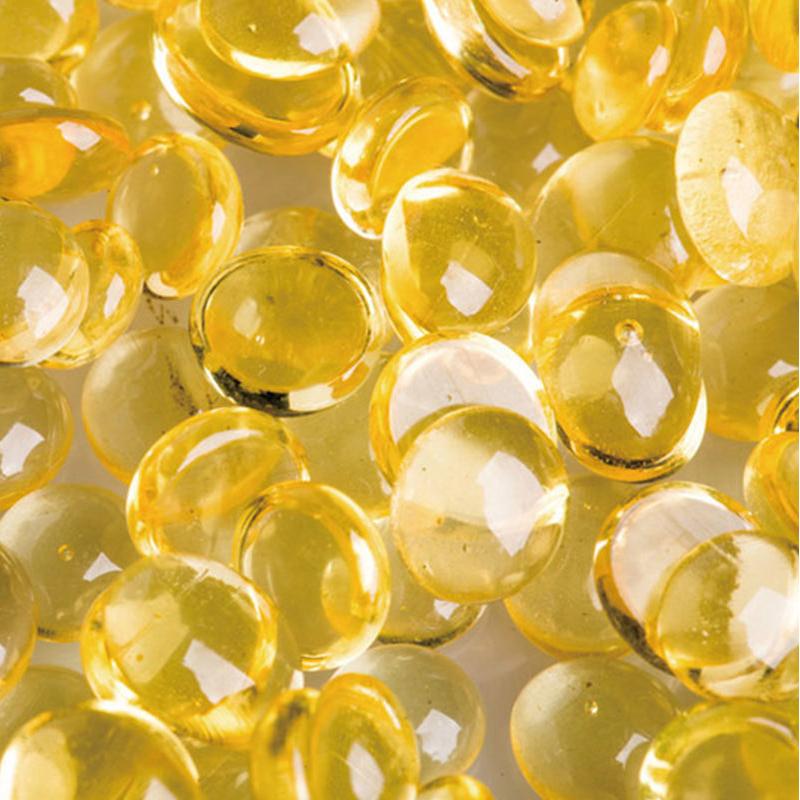
Fumaric acid is an important raw material for synthetic resin production. It significantly improves the heat resistance, durability and mechanical strength of resins. NORBIDAR supplies industrial-grade fumaric acid with stable quality. The table below compares the performance of resins formulated with and without fumaric acid.
| Performance Metric | Resins with Fumaric Acid (20% dosage) | Resins without Fumaric Acid | Test Standard |
|---|---|---|---|
| Tensile Strength | 55–65 MPa | 30–40 MPa | ASTM D638 |
| Heat Distortion Temperature (HDT) | 120–140 °C | 80–95 °C | ASTM D648 |
| Chemical Resistance (10% HCl, 24 h immersion) | Weight loss < 0.5% | Weight loss 3–5% | ISO 175 |
Key Takeaways
- Fumaric acid improves the rigidity and toughness of synthetic resins, thereby enhancing their durability and fracture resistance.
- It elevates the thermal resistance of resins, enabling stable performance under high-temperature and harsh service environments.
- It also boosts the adhesive strength of resins, complying with application requirements for construction, automotive and marine sectors.
- NORBIDAR supplies fumaric acid with consistent quality, guaranteeing stable and reliable production output.
- Selecting standard-compliant fumaric acid is critical for manufacturing high-performance synthetic resins.
Main Uses of Fumaric Acid in Resins
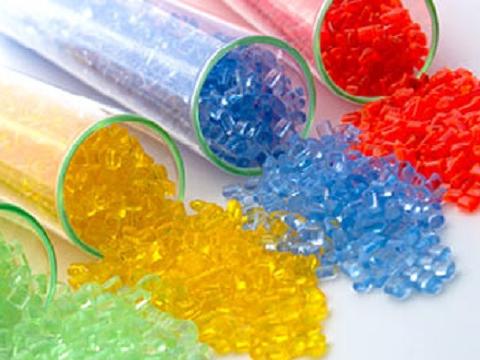
Fumaric Acid as Comonomer
Fumaric acid is widely incorporated into resin formulations to optimize material performance. It modifies the polymerization structure of resins and realizes precise curing control, increasing viscosity and structural stability for high-strength finished products.
To meet industrial demands, NORBIDAR supplies industrial-grade fumaric acid. With more than 15 years of production experience and an annual output of 30,000 metric tons, the company adopts intelligent production equipment. Its products comply with ISO 9001:2015 quality management standards and maintain stable quality. Continuous technical upgrades and sufficient supply capacity have gained wide recognition from resin manufacturers.
Its copolymer derivatives are also used across multiple industries, including water scale inhibition, polymer blending, lubricant formulation and photoresist production.
| Application Type | Description |
|---|---|
| Water Treatment | Fumaric acid copolymers stop scale in cooling systems, keeping them working well. |
| Compatibilization in Polymer Blends | These copolymers help different polymers mix, making them stronger. |
| Lubricant Additives | They stop sludge in engine oils and lower piston deposits, helping engines last longer. |
| Photoresist Materials | Used in semiconductors, these copolymers help things stick and give clear images in lithography. |
Role in Alkyd and Unsaturated Polyester Resins
Fumaric acid plays an indispensable role in the production of alkyd and unsaturated polyester resins. When applied to alkyd resins, it enhances molecular cross-linking, improving overall structural stability and mechanical toughness. The modified resin exhibits excellent stress resistance and service life, while maintaining stable shape and strength even under high temperature and humidity conditions.
For unsaturated polyester resins, fumaric acid effectively adjusts viscosity, facilitating processing and molding. Furthermore, it further extends the service life of the finished product.
| Functional Advantage | Description |
|---|---|
| Enhances cross-linking density | Makes the resin stronger and more stable. |
| Provides thermal and hydrolytic stability | Helps the resin last in different conditions. |
| Enables predictable polymer viscosity | Lets makers control the resin better. |
Chemical Function in Resin Synthesis
Crosslinking and Polymerization
Fumaric acid is a key additive in resin synthesis, widely used in the production of unsaturated polyester resins for the construction, shipbuilding, and automotive industries. Its internal carbon-carbon double bonds enable copolymerization with monomers such as styrene, forming strong bonds between polymer molecular chains. This crosslinking structure increases the resin’s viscosity and imparts excellent water resistance and chemical resistance.
It also promotes free radical copolymerization, generating a denser crosslinked network, effectively slowing down material degradation in humid environments. Stable reaction rate control is crucial for industrial production. Fumaric acid maintains a stable polymerization process, ensuring consistent performance across batches of finished resin. Due to its trans molecular configuration, fumaric acid has moderate water solubility (2.7 g/100 mL water at 20 °C). Its stable dissolution rate helps maintain consistent acidity and pH value during production.
| Mechanism | Description |
|---|---|
| Rigid Molecular Geometry | The trans shape slows how fast it dissolves, so acid levels and pH stay steady. |
| Controlled Reactivity | Keeps the reaction speed even, which is important for making unsaturated polyester resin. |
| Radical Copolymerization | Makes more cross-links and helps the resin not break down in water. |
Impact on Resin Structure
During synthesis, fumaric acid rearranges the internal molecular structure of resins to form a dense crosslinked network. This structure improves the mechanical strength and service life of resins. Manufacturers can adjust production parameters to control resin viscosity and flexibility, and the modified structure ensures stable performance under harsh working conditions.
Resins blended with fumaric acid show excellent comprehensive performance, suitable for long-service and anti-fracture applications. This raw material helps finished products meet strict industrial quality standards. After years of practical application, fumaric acid has been widely adopted by resin manufacturers. The addition of fumaric acid brings obvious technical advantages for producing high-performance resins for heavy-duty scenarios.
Benefits of Fumaric Acid in Resins and Paints
Strength and Durability
Fumaric acid is an effective reinforcing agent that improves the rigidity of resins. Its unique molecular structure provides active sites for polymerization and esterification reactions, forming tight internal molecular bonds that enhance structural stability. Compared to common organic acids, fumaric acid exhibits excellent chemical resistance and low water absorption, significantly extending the service life of products in complex environments. This high-performance resin is widely used in the construction, automotive, and marine industries, capable of withstanding frequent mechanical stress and abrasion.
Chemical and Heat Resistance
This component significantly improves the water and heat resistance of coatings and resins, enabling products to withstand harsh operating environments. When applied to printing inks, it effectively prevents ink bleeding and fading in humid environments and maintains complete print quality at high temperatures.
Enhanced Performance in Paints
NORBIDAR’s fumaric acid fully realizes its practical value in coating production. It optimizes coating drying and curing efficiency and enhances chemical and aging resistance. Qualified coatings are widely used in outdoor signage, labels, and surface protection. Even under extreme weather conditions, the coatings maintain stable color and a smooth surface.
| Product Type | Application Description |
|---|---|
| Unsaturated Polyester Resins | Used in building materials, boat parts, car parts, and fiberglass plastics. |
| Alkyd Resins | Gives strength, stability, and chemical resistance in many uses. |
| Coatings and Inks | Makes paints and inks last longer and dry well. |
Applications of Fumaric Acid-Based Resins
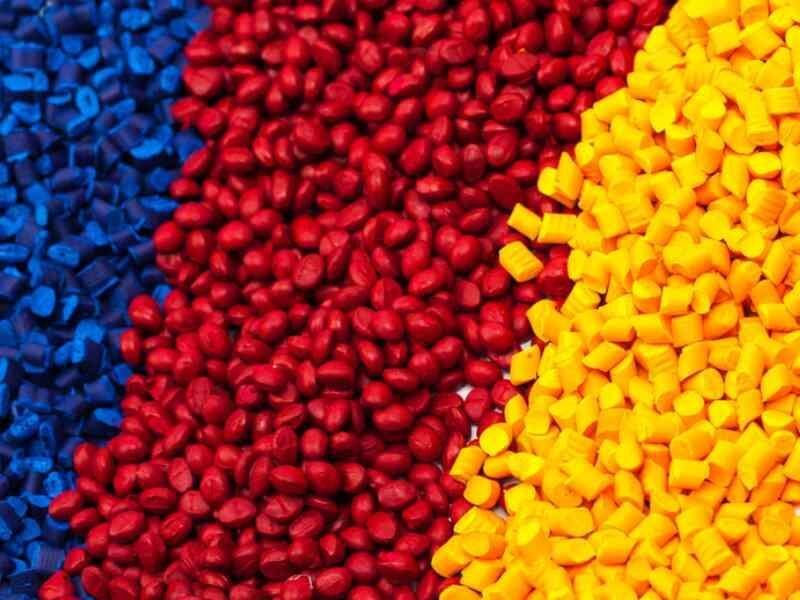
Fiberglass and Composites
Fumaric acid-based resins are widely used in the production of high-strength glass fibers and composites. As a crucial component of unsaturated polyester resins, it is a core raw material for glass fiber reinforced plastics. It imparts robust rigidity and excellent toughness to the finished product, while providing reliable heat resistance and chemical corrosion resistance. These materials are widely used in industries such as automotive, construction, and marine.
Typical applications include:
- Building panels, roofing materials, and industrial piping
- Marine components resistant to harsh marine environments
- Vehicle bodies, bumpers, and interior trim
- Industrial glass fiber reinforced plastic components
Manufacturers favor fumaric acid-based resins due to their excellent durability and resistance to mechanical stress. These materials meet stringent industry standards and can satisfy the demands of large-scale mass production.
Coatings, Adhesives, and Paints
Fumaric acid also plays a vital role in the production of coatings, adhesives, and paints. It improves coating adhesion and surface hardness, effectively enhancing scratch resistance and impact resistance to meet the needs of automotive and industrial applications.
Added to adhesives, it enhances bond strength, ensuring a strong connection between components. Resins containing fumaric acid can be used to create durable protective coatings that effectively protect the substrate.
Comparing Fumaric Acid with Other Acids
Fumaric vs. Maleic Acid
Both fumaric acid and modified maleic acid are commonly used raw materials in the production of synthetic resins, but their properties are quite different. High-purity fumaric acid is the preferred raw material for preparing resins with excellent strength and stable physical properties. Maleic acid modifiers have a faster reaction rate, but often present some difficulties in actual production and processing.
| Property/Aspect | Maleic Modified Acid | Fumaric Acid |
|---|---|---|
| Structure | Unsaturated dicarboxylic acid with active crosslinking sites | Unsaturated trans-dicarboxylic acid with moderate reactivity |
| Crosslinking Behavior | Unstable crosslinking; likely to cause premature gelation | Stable and controllable crosslinking with moderate reaction rate |
| Processing Challenges | Poor thermal stability, easy to form production bottlenecks | Slightly higher energy consumption; low risk of material degradation |
| Temperature Sensitivity | Prone to isomerization under variable temperatures | Stable thermal decomposition characteristics |
| Cost Implications | Higher production cost caused by difficult processing | Relatively low production cost with moderate reaction speed |
Manufacturers choose high-purity fumaric acid to produce resins with good thermal stability and degradation resistance. In contrast, maleic acid modifiers have high solubility and are more suitable for fast-paced production processes. Suppliers need to differentiate their properties to achieve optimal production results.
Raw Material Selection Criteria for Resin Production
Companies select acidic raw materials based on actual production needs. High-purity fumaric acid contains unsaturated double bonds, which effectively improve the hardness and chemical resistance of resins. It also has good compatibility with vinyl monomers, contributing to the production of durable plastic products. This material is widely used in the production of building materials, marine components, automotive parts, and glass fiber reinforced plastics.
| Property/Feature | Explanation |
|---|---|
| Unsaturated double bonds | Fumaric acid helps resins get stronger and resist chemicals. |
| Compatibility with vinyl monomers | Fumaric acid connects with vinyl monomers to make tough plastics. |
| Applications | Used in construction, boats, cars, and fiberglass for strength. |
Fumaric acid is a highly effective performance enhancer for synthetic resins and coatings. It significantly improves the toughness, flexibility, and overall service life of products. Recent research confirms its critical value in alkyd resin formulations, which are widely used in coatings, protective coatings, and adhesives. NORBIDAR is a premium supplier with advanced production facilities and reliable product quality.
- Resins with added fumaric acid are widely used in the manufacture of components for the automotive, construction, and marine industries.
- This material is environmentally friendly and highly safe, earning recognition from numerous raw material suppliers.
- Related research confirms that fumaric acid has an optimizing effect on modified rosin, further enhancing the overall performance of coatings and resins.
FAQ
What makes NORBIDAR’s fumaric acid suitable for synthetic resin production?
NORBIDAR produces high-purity fumaric acid in modern facilities. Manufacturers trust NORBIDAR because of its consistent product quality. They know they will get the product they need every time. NORBIDAR’s expertise helps resins perform well and meet relevant specifications.
How does fumaric acid improve resin durability?
Fumaric acid strengthens polymer chains. It helps resins withstand high temperatures, chemicals, and water. Suppliers use fumaric acid to extend the life of their products and improve their performance.
Can factories use fumaric acid in alkyd and polyester resins?
Factories add fumaric acid to alkyd and unsaturated polyester resins. It helps form more crosslinks and maintains the stability of the resin. This means it can be used for a variety of applications in the factory.
Is fumaric acid-based resin safe for use in paints and coatings?
Manufacturers choose fumaric acid-based resins for their paints and coatings. These resins are safe, reliable, and meet quality standards. NORBIDAR products help businesses comply with regulations and complete their work efficiently.
Why do suppliers prefer fumaric acid over maleic acid in certain applications?
Suppliers like fumaric acid because it is easy to use and can be used to make high-strength resins. It consistently delivers the same results and helps produce high-quality products suitable for a variety of demanding conditions.