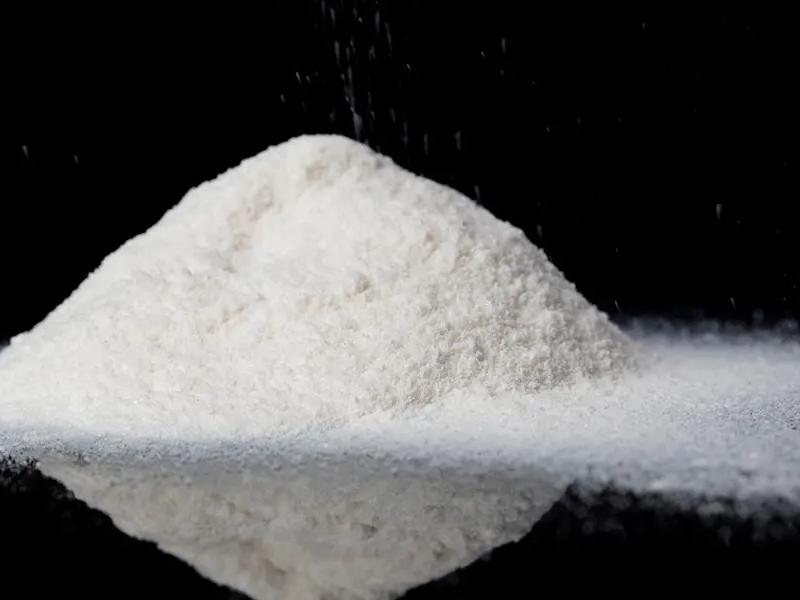
Pure free fumaric acid is not classified as an active pharmaceutical drug by global drug regulators (FDA, EMA, USP). It only serves as an inactive pH-adjusting excipient for oral tablets and a permitted food acidulant. Raw material suppliers such as NORBIDAR supply EP/USP grade fumaric acid that meets pharmaceutical purity specifications for formulation production.
Two separate fumaric-series substances carry therapeutic activity, which must not be conflated with free fumaric acid:
- Fumarate esters (dimethyl fumarate): Licensed active pharmaceutical ingredients for moderate-severe plaque psoriasis and relapsing multiple sclerosis;
- Fumarate salts (ferrous fumarate, bisoprolol fumarate): Medicinal salt complexes. Their therapeutic efficacy comes from cation/basic active moieties; fumaric acid only acts as an inert counterion with no independent medical effect.
Key Takeaways
- Free fumaric acid is never an active drug; it solely functions as a tablet stabilizer, pH buffer and dissolution aid excipient.
- All approved treatments for psoriasis and multiple sclerosis rely on dimethyl fumarate (fumarate ester), not free fumaric acid.
- Fumarate salts deliver therapeutic effects via iron, bisoprolol or other core active substances; the fumarate fraction has no curative function.
- Within JECFA acceptable daily intake limits, oral fumaric acid excipient triggers almost no adverse reactions; transient gastrointestinal and skin side effects only appear in patients taking high-dose prescription dimethyl fumarate ester therapy under medical supervision.
Fumaric Acid: Drug or Additive?

Classification of Fumaric Acid
Global pharmaceutical authorities uniformly confirm free fumaric acid has no intrinsic pharmacological therapeutic activity, so it cannot be categorized as an active drug. Clear three-part classification:
- Free fumaric acid: Inactive excipient / food additive, no medical treatment value
- Dimethyl fumarate (fumarate ester): Authorized active drug for autoimmune disorders
- 1994: Fumaderm (dimethyl fumarate) approved in Germany for plaque psoriasis
- 2013: FDA approves Tecfidera (dimethyl fumarate) for relapsing multiple sclerosis
- 2014: EMA issues marketing authorization for dimethyl fumarate psoriasis treatments
- Fumarate salts: Medicinal salt formulation auxiliary; active core is independent of the fumarate counterionThis classification standard eliminates confusion for pharmaceutical R&D and manufacturing teams worldwide.
Fumaric Acid in Pharmaceuticals
Formulators apply three distinct fumaric-series substances for separate pharmaceutical purposes. Only fumarate ester derivatives hold official therapeutic approval for autoimmune disease treatment. Free fumaric acid and fumarate salts act as auxiliary formulation materials without standalone curative effects.
| Medication Name | Active Core Component | Clinical Indication | Clarifying Note |
|---|---|---|---|
| Skilarence® | Dimethyl fumarate (fumarate ester) | Moderate-severe plaque psoriasis | All therapeutic effects originate from dimethyl fumarate ester, not free fumaric acid |
| Tecfidera | Dimethyl fumarate | Relapsing multiple sclerosis | Same ester active pharmaceutical ingredient |
| Psorizide® Forte | Fumaric acid excipient blend | Auxiliary skin comfort relief for eczema | Fumaric acid only a stabilizer; no primary therapeutic action |
| Ferrous fumarate | Ferrous iron cation | Iron deficiency anemia | Fumarate solely a salt-forming counterion |
| Bisoprolol fumarate | Bisoprolol base | Hypertension & cardiovascular disease | Fumaric acid has no cardiovascular activity |
| Ketotifen fumarate | Ketotifen base | Allergic rhinitis & asthma | Fumarate acts only as pH-balancing counterion |
| Vonoprazan fumarate | Vonoprazan base | Gastroesophageal reflux disease | Fumaric acid is an inert salt auxiliary |
Fumaric Acid in Tablets
Free fumaric acid is a multi-functional inactive excipient in oral solid tablets, with core formulation functions as below:
- Regulates internal tablet pH to slow chemical degradation of active ingredients, extending shelf stability
- Optimizes microenvironment solubility to speed up dissolution of weakly basic APIs in gastrointestinal fluid
- Improves powder blending uniformity and reduces uneven agglomeration during tableting compression
Core functional advantages of pharmacopoeia-grade fumaric acid excipient:
| Key Benefit | Detailed Description |
|---|---|
| Weak acidic property | Provides mild tart flavor adjustment for chewable formulations |
| Thermal stability | Retains stable chemical structure under routine tablet manufacturing heating processes |
| FDA GRAS certification | Approved safe for both food and oral pharmaceutical excipient use |
| Broad formulation compatibility | Compatible with most common oral active pharmaceutical ingredients |
EP/USP compliant fumaric acid from NORBIDAR maintains consistent pH buffering performance for large-scale tablet batch manufacturing.
Fumaric Acid Therapeutic Uses and Safety

Therapeutic Mechanism Clarification
All documented immunomodulatory, neuroprotective and antioxidant mechanisms apply exclusively to dimethyl fumarate ester prescription drugs, not free fumaric acid excipient. Standard pharmacopoeia-grade fumaric acid from suppliers such as NORBIDAR is produced solely for tablet excipient and food acidulant production.
| Mechanism of Action | Description |
|---|---|
| Immunomodulatory Effects | Lowers CD4+ and CD8+ T-lymphocytes to help control autoimmune diseases |
| Neuroprotective Effects | Keeps myelin and axonal density safe in the nervous system |
| Antioxidative Mechanism | Turns on Nrf-2 and stops bad gene activity that causes inflammation |
Safety and Side Effects
Safety matters when using fumaric acid in medicine. Most people can take tablets without problems, but some have mild side effects. Common issues are nausea, headache, tiredness, and dizziness. Skin reactions like redness or burning happen in 1% to 10% of people. Serious stomach problems happen in about 1% of patients. Long-term studies show most bad effects are mild and depend on the dose. Severe problems are rare. Health groups say fumaric acid is safe, like other food acids. People with allergies, liver disease, or bad kidney problems should not take these tablets. Good care helps lower side effects over time. Trusted factories make sure medicine is safe and high quality for everyone.
Fumaric acid can be a drug or an additive. Doctors use it for psoriasis and multiple sclerosis. It is safe when used the right way.
| Aspect | Details |
|---|---|
| Drug Role | Treats psoriasis and multiple sclerosis |
| Additive Role | Makes medicine stronger and work better |
FAQ
What is fumaric acid used for in medicine?
Free fumaric acid is an inactive stabilizing excipient inside oral tablets. Dimethyl fumarate (fumarate ester) is a prescription active drug for psoriasis and multiple sclerosis. Fumarate salts form medicinal salt carriers for iron, cardiovascular and anti-allergy active ingredients.
Is fumaric acid safe for children?
Free fumaric acid excipient meets pediatric food and oral formulation safety standards under regulated dosage limits. Prescription dimethyl fumarate ester drugs require customized pediatric dosing and continuous physician monitoring for minors.
Can people with allergies take fumaric acid?
| Allergy Type | Recommendation |
|---|---|
| Food allergies | Usually safe |
| Medicine allergies | Doctor should decide |