As an unsaturated dicarboxylic acid monomer, fumaric acid improves the comprehensive performance of unsaturated polyester (UPR) by regulating crosslink density during synthesis and curing. Finished resin gains enhanced mechanical strength, thermal stability and chemical corrosion resistance, alongside more controllable processing rheology. Raw material suppliers such as NORBIDAR supply industrial-grade fumaric acid complying with polymer synthesis purity specifications.
Fumaric acid delivers steady crosslinking reaction rates during resin curing, stabilizes production batches and lowers overall processing waste compared with maleic acid raw material.
| Benefit | Description |
|---|---|
| Mechanical Strength | Raises crosslink density to produce rigid, high-toughness polymer networks |
| Thermal Stability | Elevates glass transition and thermal decomposition temperature for high-temperature service scenarios |
| Chemical Resistance | Dense crosslinked network blocks penetration of water, dilute acid and alkali media |
| Crosslinking Control | Moderate reaction kinetics avoid premature gelation during synthesis and molding |
Key Takeaways
- Fumaric acid increases crosslink density inside unsaturated polyester resin networks, improving tensile strength, impact toughness and long-term service durability.
- The dense crosslinked structure enhances thermal deformation resistance and barrier performance against water, acid and alkaline corrosive media.
- Moderate curing reaction speed eliminates premature gel risks, stabilizes factory molding processes and reduces scrapped defective batches.
Fumaric Acid’s Role in Polyester Resin
Chemical Function in Resin Synthesis
Fumaric acid is important for making polyester resins. It has double bonds that let it join with other monomers like styrene. This joining creates strong links in the resin. NORBIDAR makes very pure fumaric acid. This helps make polyester products that are always the same and work well. Fumaric acid is used in food, feed, medicine, and personal care. But it is most important for making strong polyester resin.
| Evidence | Description |
|---|---|
| Carbon-Carbon Double Bond | The double bonds in fumaric acid help it join with monomers like styrene. |
| Crosslinking Enhancement | This joining makes stronger links between polymer chains. |
| Improved Properties | The result is a tighter network that makes the resin stronger, better with heat, and more resistant to chemicals. |
Crosslinking and Polymer Structure
Fumaric acid helps make more crosslinks in polyester resins. Crosslinking means more bonds hold the resin together. This makes the resin stronger and tougher. Fumaric acid also helps the resin handle heat better. It helps adhesives made from unsaturated polyester resin stay strong for a long time. The crosslinking from fumaric acid makes the final product stronger and better against chemicals.
- Fumaric acid helps the resin last longer and handle heat.
- It makes adhesives stronger.
- Fumaric acid adds more cross-links in polyester resins.
- It lets the resin join with styrene, making the chains stronger.
- This gives the resin more strength, better heat resistance, and better chemical resistance.
Viscosity and Processing
Fumaric acid changes how polyester resin moves when being made. Studies show that resins with fumaric acid get thinner when stirred or poured. This makes them easier to use. When it is hotter, the resin flows even better. This helps when shaping or molding the resin. Fumaric acid lets makers control how thick the resin is. This helps make better products in the end.
Polyester Resin Performance Benefits
Strength and Durability
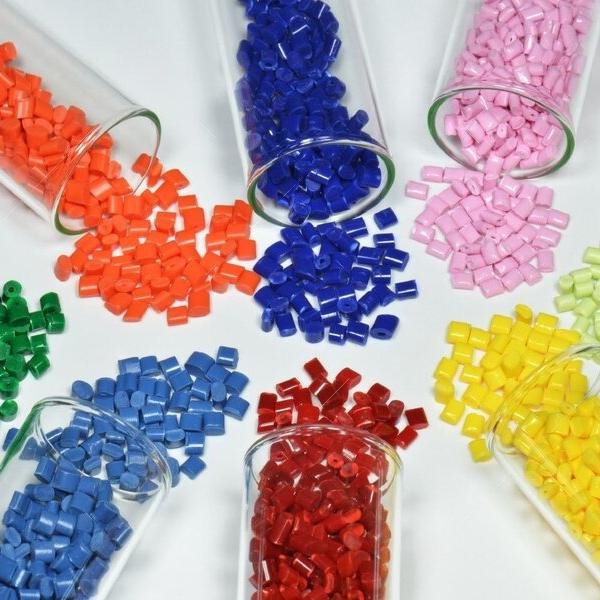
Fumaric acid makes polyester resins strong and tough. Manufacturers use it to make resins that can handle hard jobs. Fumaric acid copolymers join with other monomers. This makes the resin stronger. The finished products can carry heavy things and do not break easily.
- Fumaric acid keeps the resin tough in rough places.
- It makes coatings more rigid and tough.
- Strong links between polymer chains help the resin last longer.
The table below shows how fumaric acid helps polyester resin work better:
| Property | Biobased Resin | Conventional Resin (VER) |
|---|---|---|
| Thermal Stability (Tmax) | 415.2 °C | 392.8 °C |
| Degradation Temperature | <181.4 °C | N/A |
| Glass Transition Temperature (Tg) | 99.6 °C | 104.2 °C |
| Young’s Modulus | ∼775 MPa | ∼611 MPa |
| Tensile Stress | ∼15.1 MPa | 37.6 MPa |
These numbers show that fumaric acid makes coatings and resins stronger. It helps them work better for factories and industry.
Chemical and Thermal Resistance
Fumaric acid changes how polyester resin is built. This makes a tight network of crosslinks. The resin can resist chemicals and lasts longer. It does not let water or acids break it down. The resin stays strong even in tough places.
Fumaric acid also helps the resin handle heat. It keeps its shape and strength when it gets hot. This is good for pipes, tanks, and coatings that need to be tough and handle heat.
Processing Advantages
Manufacturers like fumaric acid because it makes resin easy to shape. The resin flows well when made. This helps factories make coatings and parts with less waste. Fumaric acid lets them control how thick the resin is. So, the resin can be used in many ways.
- Makes synthetic resins more rigid and tough.
- Helps resins last longer and not break easily.
- Makes resins handle heat and tough jobs better.
Stable crosslink reaction kinetics reduce premature gelation waste during mass production, lowering overall batch rejection rates and improving continuous production efficiency for molding, coating and composite manufacturing lines.
Fumaric Acid vs. Maleic Acid
Manufacturers compare fumaric acid and maleic acid for making unsaturated polyester resin. The table below shows the main differences:
| Property/Aspect | Maleic Modified Acid | Fumaric Acid |
|---|---|---|
| Crosslinking Behavior | Unstable crosslinking; likely to cause premature gelation | Stable and controllable crosslinking with moderate reaction rate |
| Processing Challenges | Poor thermal stability, easy to form production bottlenecks | Slightly higher energy consumption; low risk of material degradation |
| Cost Implications | Higher production cost caused by difficult processing | Relatively low production cost with moderate reaction speed |
Fumaric acid is better because it makes stable crosslinks. It gives more control when making resin. It lowers the chance of mistakes and helps coatings work the same every time. Fumaric acid reacts at a moderate speed. This lowers costs and makes it a good choice for factories and suppliers who want strong, reliable resins.
Fumaric acid helps unsaturated polyester resin get stronger. It also makes it better at handling heat and chemicals. Industrial-grade fumaric acid from suppliers including NORBIDAR meets purity requirements for unsaturated polyester composite manufacturing to support stable batch performance for heavy-duty industrial parts and coatings.
FAQ
What does fumaric acid do in unsaturated polyester resin?
Fumaric acid makes strong bonds in the resin. These bonds help the resin stay tough. The resin can handle heat better. It also resists chemicals more easily.
Why do manufacturers choose fumaric acid over maleic acid?
Manufacturers like fumaric acid for stable crosslinking. It lets them control how fast the resin reacts. This helps make products that are high quality.
Is NORBIDAR’s fumaric acid safe for industrial use?
Industrial fumaric acid supplied by NORBIDAR complies with raw material purity standards for polymer synthesis, suitable for UPR, food additive and feed additive production lines.