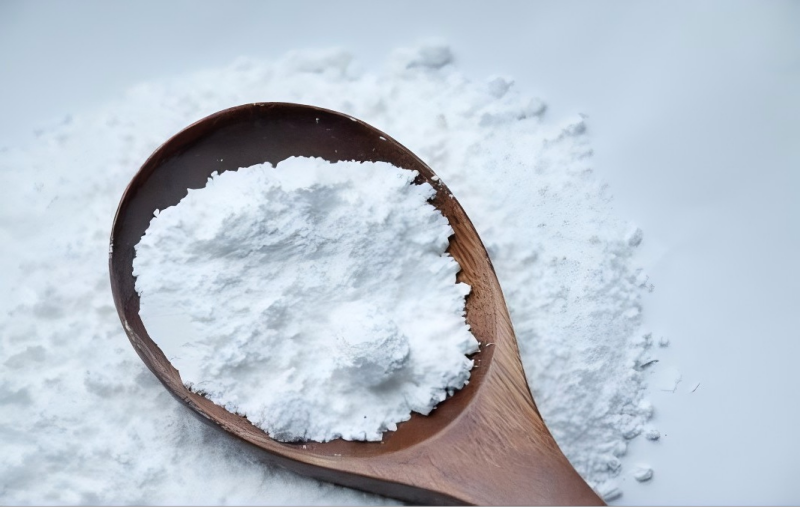
Fumaric acid plays a vital role in the food, animal nutrition, pharmaceutical, and industrial sectors. NORBIDAR is a trusted company that produces and sells high-purity analytical grade fumaric acid. Food and beverage companies consume the majority of fumaric acid, accounting for approximately 57.3%. Industrial applications account for 42.7% of the market share. Today, fermentation processes are increasingly favored due to their efficiency and safety.
Key Takeaways
- Fumaric acid is widely used in the food, pharmaceutical, and industrial sectors. Fermentation is a safe and efficient production method.
- Selecting suitable microorganisms, such as Rhizopus, is crucial. Using optimal substrates, especially glucose, helps increase fumaric acid yield.
- The factory strictly controls fermentation conditions, such as temperature and pH, to ensure the production of high-quality fumaric acid every time.
Microorganisms & Substrates in Fumaric Acid Production
Microorganisms Used in Fermentation
Fumaric acid-producing strains are crucial in the fermentation process. Companies typically choose fungi and yeasts to perform this task. These microorganisms can efficiently convert sugar into fumaric acid. Rhizopus is the most commonly used strain. They can grow under both aerobic and anaerobic conditions. These fungi can produce large amounts of fumaric acid. Some companies use specialized strains, such as Escherichia coli and Saccharomyces cerevisiae. These strains are modified to help produce fumaric acid from glucose. The table below lists some important strains and their fumaric acid yields:
| Microorganism | Yield (mol/mol) | Notes |
|---|---|---|
| rhizopus species | N/A | Naturally capable of producing fumaric acid under aerobic and anaerobic conditions. |
| Escherichia coli | 0.78 | Engineered strain capable of synthesizing fumaric acid from glucose aerobically. |
| Saccharomyces cerevisiae | N/A | Industrially relevant, engineered to produce fumaric acid from glucose. |
Substrate Preparation
Substrate selection is crucial in the fermentation process. Most companies use glucose as the primary substrate. Glucose helps strains produce the most fumaric acid. Although other substances, such as glycerol, xylose, and sucrose, have been tried, glucose remains the best choice. Fungi such as Rhizopus and Aspergillus oryzae can also utilize sugars from plants. Beechwood cellulose can produce up to 16.2 g/L of fumaric acid.
Fermentation Process Steps

Optimal Conditions for Fumaric Acid Production
Plants increase fumaric acid production by controlling several key factors. They monitor temperature, pH, airflow, and agitation speed. These factors help microorganisms function and produce acid. The table below lists the optimal settings for fumaric acid production:
| Parameter | Value |
|---|---|
| Temperature | 32 °C |
| pH | N/A |
| Aeration | 0.5 vvm |
| Stirrer Velocity | 600 rpm |
Step-by-Step Fermentation Process
Making fumaric acid by fermentation has many steps. Each step helps get more acid and keeps it clean.
- Preparation of Substrate
The factory gets glucose or other things ready. They check the quality to make sure it works well. - Inoculation of Microorganisms
Workers put Rhizopus or other strains in the tank. These strains start changing the substrate into fumaric acid. - Fermentation
The process uses set temperature, air, and stirrer speed. How well the reactor works affects how much acid is made.- Stirred tanks with pressure pulses make more acid.
- Airlift reactors move things better and give higher yields.
- Rotary contactors with columns help make more acid by stopping product buildup.
- Monitoring and Control
The factory checks pH, temperature, and air during the process. They change settings to keep the best conditions. - Harvesting
After fermentation, workers collect the liquid with fumaric acid.
Recovery and Purification Methods
After fermentation, the factory needs to obtain pure fumaric acid. They use different methods to separate and purify this acid.
| Method | Efficiency Description |
|---|---|
| Pressure Pulsation in Stirred Tank | Makes 70.1% mass yield and 0.99 g/L/h productivity, better than old ways. |
| Airlift Loop Reactor | Gives more acid and works better than stirred tanks. |
| Acidification with H2SO4 | Fumaric acid comes out of the mix after adding acid, so it can be collected. |
| Reactive Extraction | Gets over 95% yield with special chemicals, making it very efficient. |
| Direct Removal During Fermentation | Stops product buildup and keeps microbes working, making the process better. |
Fumaric acid is typically produced in factories using the sulfuric acid acidification process. Reactive extraction offers high yields and effectively separates fumaric acid. Combining fermentation and adsorption helps control pH and prevent product buildup.
Historical Background and Yield Comparison
The method of producing fumaric acid through fermentation has evolved over time. In the past, chemical methods required high temperatures, high pressures, and harmful chemicals. Fermentation, using plant-based materials, can produce more fumaric acid with less environmental impact.
| Process Type | Yield Potential | Environmental Impact |
|---|---|---|
| Fermentation | Higher yields | Uses plant material, less harm to nature |
| Chemical Synthesis | High yields | Needs high heat, pressure, and bad chemicals |
Fumaric Acid Production Factors
Yield and Quality Challenges
Many factors affect both the yield and quality of fumaric acid. Producers must pay attention to the types of microorganisms used and examine the substrate and process setup. The table below lists the key factors and their effects:
| Factor | Description |
|---|---|
| Fungal Morphology | Small pellets let oxygen and nutrients reach cells. This helps make more fumaric acid. |
| Carbon Source | Glucose is the best carbon source for high yields. |
| Nitrogen Sources | Ammonium salts and yeast extract help microbes grow and make acid. |
Process settings are important too:
| Process Parameter | Effect |
|---|---|
| pH | Controls how much fumaric acid is made. |
| Oxygen Supply | Needed for good fermentation and fewer by-products. |
| Nutrient Limitation | Changes how fungi grow and how much acid they make. |
Some common problems are low conversion rates. There are also bad byproducts like succinic acid. Factories need to control pH very carefully.
Strategies for Improving Fermentation
Suppliers use different ways to make more fumaric acid:
- They change nitrogen levels, like using 2 g/L peptone, to help microbes work better.
- Two-stage stirring speeds, starting at 200 rpm and then going to 400 rpm, can increase fumaric acid by 26%.
- Bacteria such as Lactobacillus and new technology make the process faster and greener.
NORBIDAR use new and safe methods to improve fermentation. Their strict testing and skill make sure customers get good supply for food, medicine, and industry.
| Aspect | Description |
|---|---|
| Quality Assurance | Certified food-grade production and strict tests for purity. |
| Innovation | Always working to make solubility, stability, and performance better. |
| Customer Support | Special help for each business’s needs. |
The fermentation process of fumaric acid utilizes fungi such as Rhizopus and also uses plant-derived raw materials. Today, manufacturers are employing biotechnological methods, selecting renewable materials, and adopting more efficient fumaric acid recovery methods. Improving the fermentation process not only increases fumaric acid yield but also makes the production process more environmentally friendly.
FAQ
Which industries use NORBIDAR fumaric acid?
NORBIDAR supplies fumaric acid to numerous industries, including food, animal nutrition, pharmaceuticals, industrial, and personal care. Wholesalers favor fumaric acid due to its high purity and wide range of applications.
How does NORBIDAR ensure the quality of its fumaric acid?
The factory employs rigorous testing methods to inspect fumaric acid and utilizes certified food-grade processes and advanced cleaning technologies.