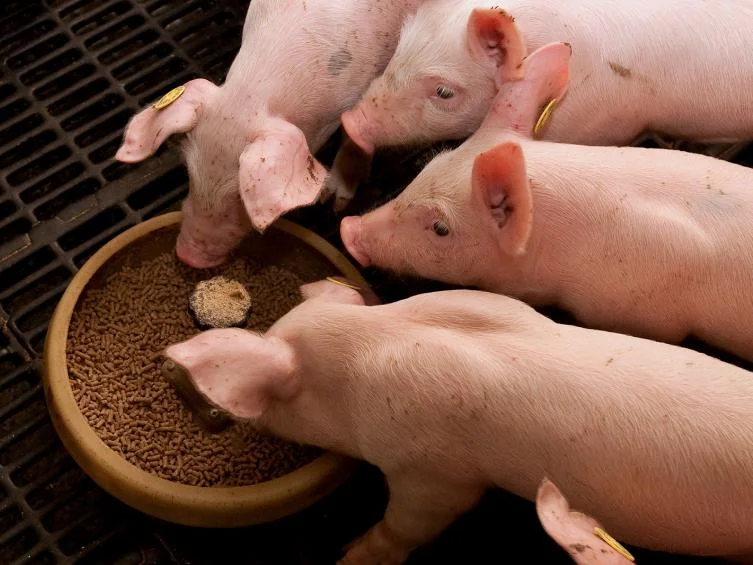
Fumaric acid plays a crucial role in maintaining intestinal health in animals. It effectively improves digestive efficiency, regulates gut microbiota balance, and promotes healthy growth. Due to its significant growth benefits, fumaric acid is widely used by farmers, veterinarians, and feed producers. Related scientific research has further confirmed its mechanism of action.
| Study Title | Findings |
|---|---|
| Effects of fumaric acid supplementation on methane production and rumen fermentation in goats | Fumaric acid changed methane production and rumen fermentation. The effect was bigger in goats eating more forage. |
| A review of the effects of dietary organic acids fed to swine | Fumaric acid helped pigs use amino acids better. It also lowered bad gut bacteria in young pigs. |
Key Takeaways
- Fumaric acid enhances animal digestive performance by boosting enzyme activity, enabling maximized nutrient absorption from feeds. Its inclusion effectively accelerates growth rate and improves feed utilization efficiency, especially in swine and poultry breeding.
- It sustains balanced intestinal flora, stimulating the proliferation of beneficial bacteria while inhibiting harmful strains. Moderate dosage is essential; excessive intake may impair physical health, hence strictly follow supplier-recommended usage standards.
- Additionally, fumaric acid reduces reliance on feed antibiotics, supporting natural growth and preserving intestinal wellness.
Fumaric acid and digestion

Effects on digestive enzymes
Digestive enzymes decompose feed into absorbable nutrients, and fumaric acid can significantly elevate enzyme activity. Relevant tests on quails prove that dietary supplementation of fumaric acid improves digestion efficiency and accelerates growth. Boosted enzymatic activity facilitates nutrient uptake, making it a common additive for feed producers to optimize animal digestive capacity.
Stomach pH regulation
Gastric pH value is a key factor affecting digestion. Studies indicate that 1.5% fumaric acid causes no obvious fluctuation in stomach pH of piglets. Though its concentration rises inside the stomach, it exerts no impact on intestinal flora and digestive tract pH. Manufacturers and suppliers monitor such properties strictly to guarantee qualified feed products.
| Observations | Effects on Enzyme Secretion/Function |
|---|---|
| Methane Production | Less methane means microbes in the rumen change. |
| Rumen pH | Some studies show rumen pH goes up, others show it goes down. |
| Total VFA Concentration | Total VFA goes down when rumen pH changes. |
| Fumarate-utilizing Bacteria | These bacteria work harder and help fermentation. |
Gut microbiota changes
Intestinal microbiota is critical to animal health. Fumaric acid effectively regulates gut bacterial composition. It facilitates the proliferation of beneficial strains including *Prevotella copri* and *Blautia wexlerae*. It also influences the levels of GABA and L-asparagine, further impacting fat accumulation and lipid metabolism-related gene expression.
| Finding | Correlation | Microbiota/Metabolites |
|---|---|---|
| Intramuscular fat content | Positive | Prevotella copri, Blautia wexlerae, Ruminococcus gnavus |
| Intramuscular fat content | Negative | GABA, L-asparagine, fumaric acid |
| Backfat thickness | Negative | Blautia wexlerae |
| Backfat thickness | Positive | GABA, L-asparagine, fumaric acid |
| Prevotella copri, Blautia wexlerae, Ruminococcus gnavus | Negative | L-asparagine, fumaric acid |
| Lipid metabolism genes | Enriched in | Prevotella intermedia, Escherichia coli |
Fumaric acid’s impact on nutrient absorption and growth
Nutrient uptake improvement
Nutrient absorption underpins animal growth and physical fitness. Fumaric acid boosts nutrient utilization and enhances the digestibility of proteins and amino acids, widely applied in feed formulation to optimize nutrient intake.
Proper supplementation of organic acids such as fumaric acid delivers superior growth performance in swine compared to antibiotic application. Combined use of fumaric and citric acid accelerates piglet growth and improves feed conversion rate.
Dosage up to 15 g/kg contributes to weight gain, while excessive dosage may induce liver damage and health disorders. It also maintains intestinal integrity to facilitate vitamin and mineral absorption, offering notable benefits for weaning young animals with immature digestive systems.
Animal growth and health
Growth condition is closely correlated with physical health in breeding industry. By optimizing digestive function and protecting intestinal health, fumaric acid serves as a reliable feed additive for livestock and poultry to promote growth and wellness.
For swine, fumaric acid and sodium fumarate elevate the digestibility of crude protein and amino acids, with more prominent effects at appropriate high doses. Suitable dosage effectively improves growth status and immunity. Supplementing 14 to 15 g/kg fumaric acid achieves optimal weight gain in juvenile Nile tilapia, whereas its growth promotion effect is insignificant on beef cattle. Its efficacy varies across animal species and growth stages.
Overall health and risks
Immune response and performance
A robust immune system safeguards animal health. Fumaric acid strengthens disease resistance and boosts growth efficiency. Relevant indicators of animals supplemented with fumaric acid have been analyzed, with the following table illustrating its impacts under heat stress conditions.
| Parameter | Effect of Fumaric Acid Supplementation | Effect of Chronic Heat Stress |
|---|---|---|
| Final Body Weight (FBW) | Increased | Decreased |
| Average Daily Feed Intake (ADFI) | Increased | Decreased |
| Average Daily Gain (ADG) | Increased | Decreased |
| Antibody Titres (SRBC, IgG) | Increased | Decreased |
| Relative Weight of Spleen and Bursa | Increased | Decreased |
| Feed Conversion Ratio (FCR) | Decreased | Increased |
| Antioxidative Enzyme Activity (GPx) | Increased | N/A |
| Malondialdehyde and Total Carbonyl | Decreased | Increased |
Potential side effects
Proper dosage of fumaric acid is well tolerated by most animals. Excessive intake may trigger liver burden in certain species.
Manufacturers and feed producers strictly control dosing standards to ensure breeding safety. Special caution is required when administering to young animals. Farmers shall comply with supplier specifications, and regular health monitoring helps detect adverse reactions timely.
Application of fumaric acid in animal feed

Application and dosage of fumaric acid
Manufacturers and suppliers adopt diverse application methods for fumaric acid in animal feed, tailored to specific objectives such as mold inhibition and pathogenic bacteria reduction.
To preserve its efficacy during feed processing and storage, feed factories often utilize microencapsulation technology. Additionally, some suppliers formulate compound additives by blending fumaric acid with other functional ingredients to enhance overall feed performance. Species-specific formulations are developed to meet the optimal nutritional needs of different animals.
| Evidence Type | Description |
|---|---|
| Microencapsulation | Makes fumaric acid last longer in feed. |
| Combination with Functional Ingredients | Makes feed work better. |
| Species-Specific Formulations | Gives the right nutrition for each animal. |
Safety considerations
Fumaric acid features low toxicity. Its safe intake threshold reaches 10,000 mg/kg for chickens and 6,000 mg/kg for rats, granting it higher safety compared with most chemical additives. Reasonable dosing is essential to secure animal health. It reduces intestinal pH, aiding protein digestion and pathogen resistance among young livestock.
Regulations approve its application as a universal feed preservative. The permissible dosage for swine and poultry is capped at 20,000 mg/kg. Compliance with relevant standards ensures animal safety and stable feed efficacy.
Protective gloves and masks are mandatory during large-scale industrial handling. The product should be stored in dry and cool environments to maintain quality. Regular health inspection is recommended after feed formula adjustment.
NORBIDAR consistently delivers reliable, high-quality products, serving as a trustworthy option for farmers and feed manufacturers pursuing premium breeding outcomes.
Fumaric acid helps animals have healthy guts. It makes digestion easier and helps animals grow. Pigs grow faster and use their food better. Poultry take in more nutrients and stay healthier. Cattle keep their rumen pH balanced, which helps their gut bacteria and gives them energy.
| Animal Type | Effect of Fumaric Acid |
|---|---|
| Pigs | Pigs grow faster and gain more weight after weaning. They use their feed better. |
| Poultry | Poultry absorb nutrients better. Fumaric acid stops bad bacteria from growing. |
| Cattle | Cattle keep their rumen pH balanced. This helps gut bacteria and energy production. |
FAQ
Which animals benefit most from adding fumaric acid to their feed?
Pigs, poultry, and fish are all suitable candidates for fumaric acid. Suppliers add it to the feed of young animals at weaning. These animals grow faster and are healthier.
How does fumaric acid promote gut health?
Fumaric acid lowers the pH level in the gut, promoting the growth of beneficial bacteria and making digestion easier for animals. Animals can absorb more nutrients from their food. Feed processors use fumaric acid to improve feed quality and help animals improve growth performance.
Is fumaric acid safe for all animals?
Fumaric acid is safe when used in appropriate amounts. Suppliers and feed manufacturers follow strict regulations. Farmers should consult a veterinarian before switching feeds.
Can fumaric acid replace antibiotics in animal feed?
Fumaric acid can help reduce the need for antibiotics. It promotes gut health and helps animals grow. Many suppliers include it as part of their natural feed formulations.
Where can farmers buy high-quality fumaric acid?
Farmers can purchase fumaric acid from trusted suppliers like NORBIDAR. NORBIDAR sells high-purity products to factories and large farms.