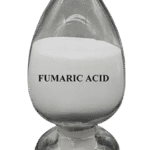
Fumaric acid has a wide range of uses and plays a vital role in daily life. In the food industry, fumaric acid is used to enhance flavor and acts as an acidifier and preservative, helping to maintain the freshness and appeal of beverages, baked goods, and confectionery. In the pharmaceutical industry, fumaric acid is used in drug formulation, aiding in the development of highly effective drugs. Farmers rely on fumaric acid to improve animal feed, promoting animal health and growth. In the personal care industry, fumaric acid is used to balance pH and act as a buffer, making it a common ingredient in skincare products. Industrial manufacturers rely on fumaric acid to produce polyester resins, which are essential in the construction and automotive industries.
Key Takeaways
- Fumaric acid improves the taste of food and extends shelf life, making it an important component of many processed foods and beverages.
- In the medical field, fumaric acid helps treat psoriasis and multiple sclerosis and has significant health benefits.
- Farmers add fumaric acid to animal feed to promote animal growth and maintain health, thereby improving farm efficiency.
- Fumaric acid is also an indispensable ingredient in personal care products. It helps maintain pH balance, contributing to healthy skin and hair. Choosing a reputable supplier like Nobida to provide high-quality fumaric acid ensures safety, effectiveness, and suitability for a variety of applications.
Fumaric Acid Used For in Food
Fumaric Acid Food Additive
Fumaric acid plays an important role in many foods and beverages. It is commonly found in soft drinks, fruit juices, candies, gelatin desserts, baking powder, dairy products, processed meats, fruits, vegetables, alcoholic beverages, and condiments. Food manufacturers use fumaric acid because it imparts a richer, longer-lasting acidity to food, enhancing the overall taste. Furthermore, fumaric acid is suitable for dry powder mixtures because it does not readily absorb water.
Tip: Fumaric acid is more acidic than citric acid, so companies only need a small amount to achieve the same taste.
Preservative and pH Regulator
Fumaric acid is a powerful preservative and pH adjuster. It keeps food fresh by inhibiting the growth of harmful bacteria and mold. Studies have shown that fumaric acid can kill bacterial spores, reducing the risk of food spoilage. It is particularly effective in dried goods and can be mixed with other preservatives to further improve food safety. For example, adding fumaric acid to cider can reduce E. coli levels. In bread, it is more effective than other preservatives in preventing mold growth. In cucumber juice, it can inhibit the growth of lactic acid bacteria.
Fumaric acid food additives acidify food, thus helping to control the pH level. This makes it difficult for bacteria and fungi to survive. Therefore, food can remain safe and stay on the shelf for a longer time. Using fumaric acid food additives can make food preservation easier and more effective.
The table below lists the approved regions for the use of fumaric acid food additives:
| Region | Regulatory Approval Details |
|---|---|
| United States | FDA says fumaric acid is a food additive and GRAS (Generally Recognized as Safe) |
| European Union | EFSA says fumaric acid (E 297) is safe, with more checks for safety |
NORBIDAR sells pure fumaric acid food additives that meet the above standards, a product that food manufacturers can trust.
Flavor Enhancer
Fumaric acid food additives significantly enhance the taste of food and beverages. It imparts a refreshing sourness that lasts longer than other acids. Therefore, it is widely used in candies, soft drinks, and fruit snacks. Fumaric acid food additives also help balance sweet and sour flavors, resulting in perfectly balanced tastes.
Fumaric acid food additives are inexpensive and retain their sourness even after heating. They maintain their sourness even after baking or cooking. This makes them ideal for baked and processed foods. Fumaric acid food additives also help control pH levels, thereby improving the color, aroma, and flavor of food.
Fumaric acid food additives also inhibit bacterial growth, ensuring the safety of food and beverages. It lowers the pH level, inhibiting the growth of bacteria and fungi. This helps extend the shelf life of food and ensures its safety for consumption.
NORBIDAR consistently ensures that its fumaric acid food additives deliver the right taste and safety for food and beverages.
Fumaric Acid in Medical Treatment
Psoriasis and Multiple Sclerosis
Doctors use fumarate to help patients with psoriasis and multiple sclerosis. Fumarate esters can reduce redness and scaling on the skin of psoriasis patients. Studies have shown that these esters are more effective than a placebo. After about three months, two patients needed treatment for one patient to show improvement. Fumarate esters were comparable to methotrexate in treating psoriasis. Patients’ PASI scores decreased after twelve weeks. Some side effects included stomach pain, flushing, leukocytosis, and proteinuria, but these symptoms resolved on their own. Information on long-term safety is currently limited, which is crucial for patients requiring long-term treatment.
Doctors also use fumarate esters to treat multiple sclerosis. These esters help control the immune system and reduce nerve swelling. They can improve symptoms and slow disease progression. Medications containing fumarate are approved for the treatment of brain and nervous system disorders.
Fumarate and Cancer Research
Scientists are studying fumarate to explore whether it can help treat or inhibit cancer. Fumarate is essential for cells to obtain energy. Researchers have discovered that fumaric acid is associated with tumor growth in multiple ways. Dimethyl fumarate, a derivative of fumaric acid, can slow the progression of oral cancer. It achieves this by promoting cell death and reducing cellular stress. Therefore, dimethyl fumarate is an ideal treatment option for certain head and neck cancers.
Recent research suggests that fumaric acid, especially dimethyl fumarate, helps fight cancer. If the body lacks fumarate hydrating enzymes, fumarate accumulates and may contribute to the growth and spread of tumors in kidney cancer and neuroblastoma. Dimethyl fumarate can slow tumor growth and alter the way the immune system functions. These results suggest that fumaric acid may be effective in cancer treatment.
Other Therapeutic Uses
Fumaric acid also helps treat other health problems. Scientists are investigating how fumarate esters can help treat brain diseases, kidney diseases, and cancer. Fumarate esters treat multiple sclerosis by altering the function of the immune system. Fumaric acid can reduce swelling and cellular stress in kidney disease. Its various forms help kill cancer cells and stop their growth.
| Therapeutic Use | Description |
|---|---|
| Neuroinflammatory diseases | Fumaric acid esters, like DMF, treat multiple sclerosis because they change the immune system. |
| Renal protection | Fumaric acid lowers swelling and cell stress in kidney disease. |
| Cancer therapy | Fumaric acid forms help kill cancer cells and stop them from growing. |
Doctors often use fumaric acid in combination with other medications to reduce the side effects of cancer drugs and antibiotics. Some medications also use fumaric acid to combat fungi and as a vitamin supplement. Iron fumarate is used to treat patients with iron deficiency.
Applications of Fumaric Acid in Animal Feed and Personal Care
Animal Nutrition and Gut Health
Farmers add fumaric acid to animal feed to promote animal growth. It helps animals utilize food better and stay healthy. Studies have shown that fumaric acid helps animals extract more energy from their food. Pigs fed with fumaric acid-added feed grow faster and have higher feed utilization. After weaning, pigs gain more weight and have higher feed efficiency. In poultry, fumaric acid helps them absorb nutrients and inhibits the growth of harmful bacteria. Cattle and other ruminants need a balanced rumen pH to remain healthy. This balance helps the gut microbiota function properly and produce energy.
The following table lists research findings on fumaric acid in animal feed:
| Study Reference | Findings | Impact on Growth Performance | Impact on Gut Health |
|---|---|---|---|
| 39 | Optimal dosage of OAs | Enhanced productivity in pigs | N/A |
| 41 | Fumaric and citric acids | 10% increase in FCR, 3% increase in ADG | N/A |
| 43 | 0.8% fumaric acid | N/A | Reduced E. coli and Coliforms in cecum |
| 46 | Formic acid and ammonium formate | Increased ADG and G:F ratios | N/A |
| 48 | High abundance of Limosilactobacillus mucosae | N/A | Improved gut health compared to control |
Nobita provides fumaric acid to farmers for use in the feeding of various animals. Their products help animals grow better and utilize feed more efficiently. Healthier animals mean better farming and less pollution. Fumaric acid also helps animal cells produce energy.
Applications of Fumaric Acid in Skincare
Fumaric acid is commonly used in personal care to help improve skin. It gently removes dead skin cells, leaving skin looking brighter. Fumaric acid helps maintain the skin’s pH balance, thus helping to protect it from bacteria and dryness. It also contains antioxidants that combat damage from pollution and sun exposure. It is also suitable for sensitive skin as it helps strengthen the skin barrier and soothe redness.
You can find fumaric acid in face creams, hair care products, and toothpaste. Nobita provides high-quality fumaric acid for these products. It helps shampoos and conditioners maintain the proper pH, thus enhancing their effectiveness. In toothpaste, fumaric acid helps protect teeth from bacteria and plaque. These applications demonstrate that fumaric acid helps protect skin and hair and provides them with energy.
Industrial Applications of Fumaric Acid

Resins and Plastics
Fumaric acid is a crucial raw material for manufacturing high-strength plastics and coatings. Plants use it to produce unsaturated polyester resins and alkyd resins. These materials contribute to the manufacture of robust and durable products such as automobiles, construction materials, and marine equipment. Resin manufacturing consumes approximately 40% of fumaric acid. By 2032, the market value of fumaric acid in the coatings and resins sector is projected to exceed $1 billion. This market is growing at nearly 5% annually. Glass fiber reinforced plastics require these resins to enhance strength and improve chemical resistance.
NORBIDAR provides high-purity fumaric acid to industrial customers. The company adheres to stringent regulations to ensure product safety and superior performance. The following table lists the standards NORBIDAR meets:
| Quality Standard | Description |
|---|---|
| United States Pharmacopeia (USP) | Makes sure the product is pure and safe |
| European Pharmacopeia (EP) | Checks quality and how well it works |
| Chinese Pharmacopoeia (ChP) | Sets rules for purity and heavy metals |
| ISO Standards | Keeps quality high around the world |
| EU REACH Regulation | Controls chemical registration in the EU |
| US TSCA Regulation | Watches chemical substances in the US |
NORBIDAR uses new ways to make fumaric acid. These methods help save energy and protect the environment. The company uses biosynthesis and special separation methods. This helps farming and keeps nature safe.
Dyeing and Other Uses
Fumaric acid helps dyes adhere better to fabrics during the dyeing process, resulting in even and vibrant colors. Textile workers utilize fumaric acid to achieve strong and lasting colors. Compared to other chemicals, fumaric acid is more effective because it provides stable dyeing results and enhances fabric strength.
Fumaric acid is also used in food processing, personal care, and cosmetics. Manufacturers favor fumaric acid because of its excellent performance in many areas. It helps conserve water in food processing and helps reduce resource consumption in plastics production.
Safety, Benefits, and Side Effects of Fumaric Acid Used For
Safety and Regulatory Status
The metabolism of fumaric acid is crucial for its utilization by the human body. Both the U.S. Food and Drug Administration (FDA) and the European Food Safety Authority (EFSA) have assessed its safety in food, pharmaceuticals, and industrial applications. Both agencies consider fumaric acid safe for humans and animals. The FDA classifies fumaric acid as GRAS (Generally Recognized As Safe), meaning it is safe to use. The EFSA also considers fumaric acid safe in food and has not established strict regulations. The FDA recommends that people consume no more than 10 mg of fumaric acid per kilogram of body weight per day. This recommendation helps ensure food safety and prevents excessive intake. The human body can rapidly break down fumaric acid, therefore it is safe.
| Acid | Established ADI (mg/kg bw/day) | Regulatory Authority / Notes |
|---|---|---|
| Fumaric Acid | 10 | FDA and EFSA both set ADI at 10 mg/kg; FDA: GRAS; EFSA: no limit |
Health Benefits
The metabolism of fumarate offers numerous health benefits. Doctors use fumarate as an adjunct treatment for psoriasis and multiple sclerosis. Studies have shown that fumarate esters can reduce the severity of skin problems. Patients typically experience symptom improvement after 12 to 16 weeks of treatment. Fumarate metabolism also helps cells produce energy, thus maintaining bodily health and normal organ function. In animal feed, fumarate helps animals grow and maintains their stomach health, making food production safer.
| Study Comparison | Outcome | Result |
|---|---|---|
| Fumaric Acid Esters vs. Placebo | Psoriasis Severity (PASI) | Significant benefit after 12-16 weeks |
| FAE vs. Methotrexate | Disease Severity | Similar benefit after 12 weeks |
| FAE vs. Placebo | Quality of Life | Improvement reported |
Risks and Side Effects
Most people will not experience fumarate metabolism problems, but some may experience mild side effects such as stomach pain, hot flashes, or abnormal blood test results. Doctors will monitor these reactions during treatment. Food safety agencies state that the probability of serious problems is low if people use the correct dosage. The body metabolizes fumarate quickly and therefore it does not accumulate in the body. People with health conditions should consult a doctor before using products containing fumarate. Food safety is guaranteed as long as companies use the correct dosage and comply with relevant regulations.
Fumaric acid is used in many areas like food, medicine, animal feed, personal care, and making products. Scientists say it helps food last longer, treats psoriasis, and helps animals grow strong. But some studies warn about risks like kidney problems and changes in the immune system. Picking a trusted supplier such as NORBIDAR helps keep products safe and high quality.
| Trend | Impact |
|---|---|
| Sustainability push | Leads to new eco-friendly products |
| Pharmaceutical advances | Brings more medical uses |
FAQ
Which foods contain fumaric acid?
Fumaric acid is found in many foods. It’s present in soft drinks, candy, baked goods, and fruit juices. Food manufacturers add fumaric acid to increase the acidity of food and maintain its freshness.
Is fumaric acid safe for children?
Experts say that fumaric acid is safe for children when used in appropriate amounts. Its safety has been assessed by the U.S. Food and Drug Administration (FDA) and the European Food Safety Authority (EFSA). Parents should check food labels to confirm the presence of this additive.
What are the benefits of fumaric acid for animals?
Farmers add fumaric acid to animal feed. It helps animals grow quickly and stay healthy. Studies have shown that fumaric acid helps animals digest food and reduces the number of harmful bacteria.
Where can businesses purchase high-quality fumaric acid?
NORBIDAR sells high-quality fumaric acid for food, medicine, and industry. They use new technology and check quality carefully.