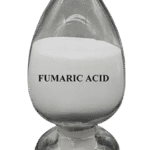
Fumaric acid requires proper storage to ensure its safety and efficacy. Improper storage may cause fumaric acid to deteriorate, become ineffective, or reduce its potency. The table below lists the possible scenarios:
| Impact on Quality and Safety | Description |
|---|---|
| Contamination | Storing it wrong can let in things that should not be there. |
| Degradation | Heat and wet air can make fumaric acid fall apart. |
| Reduced Effectiveness | It does not stay stable, so it does not work as well. |
Key Takeaways
- Store fumaric acid in a cool, dry place at 25°C (77°F). This will help it remain stable and function properly. Use a tightly closed, non-reactive container to prevent water and air from entering. This will prevent it from becoming dirty or damaged. Always take safety precautions, such as wearing protective equipment. For safety, keep fumaric acid away from chemicals it should not come into contact with.
Fumaric Acid Storage Conditions

Special Storage Requirements
Fumaric acid requires special storage to remain safe and effective. Manufacturers and distributors emphasize the importance of proper storage. This prevents fumaric acid from deteriorating and maintains its purity. Fumaric acid can decompose upon contact with high temperatures, humid air, or even ordinary air. Therefore, all personnel using fumaric acid must adhere to special storage procedures, including large distributors, laboratories, and factories.
Tip: Always read the safety data sheet before storing fumaric acid. This helps avoid handling errors and ensures safety.
Improper storage can lead to fire, dust explosion, or inactivation. The following table lists the key storage safety steps:
| Safety Precaution | Description |
|---|---|
| Air Contact | Keep air away as much as you can |
| Heat Protection | Store far from heat, sparks, or fire |
| Skin/Eye Contact | Do not let it touch your skin or eyes |
| Inhalation | Do not breathe in dust, mist, or vapor |
| Incompatibility | Keep away from strong oxidizing agents |
| Dust Formation | Stop dust from forming and control fire sources |
Key Storage Factors
Several important factors help maintain the safety and stability of fumaric acid. These factors make it suitable for use in food, pharmaceuticals, and animal feed.
- Temperature: Store fumaric acid in a cool, dry place. The optimal temperature is below 25°C (77°F). High temperatures can cause fumaric acid to decompose and release harmful gases. Factories and laboratories should not store it near heat sources.
- Humidity: Fumaric acid has very low hygroscopicity. This prevents it from clumping and extends its shelf life. However, excessive moisture can still affect its purity and performance. Always keep containers tightly sealed to prevent the absorption of water and air.
- Containers: Use airtight containers that will not react with fumaric acid. Manufacturers and distributors use sturdy packaging to protect fumaric acid from water and dust.
- Incompatible Materials: Never store fumaric acid with strong oxidizing agents, alkalis, or acids. These chemicals can cause adverse reactions. Always keep fumaric acid away from these substances.
- Air Exposure: Avoid contact between fumaric acid and air to prevent its decomposition. Airtight containers maintain the freshness and effectiveness of fumaric acid.
- Dust control: Prevent dust generation. Fine dust can be explosive, especially in factories or large warehouses.
Fumaric acid has low hygroscopicity, making it ideal for powder mixtures. It remains stable even in humid environments, but excessive moisture will still degrade its quality. Proper storage conditions ensure its safety and make it readily available in many industries.
Fumaric Acid Safe Storage Guidelines
Temperature and Environment
The manufacturer recommends storing fumaric acid at room temperature, below 25°C (77°F). This helps maintain the stability of fumaric acid and prevents decomposition. Factories and laboratories should avoid direct sunlight and high temperatures. Sunlight and high temperatures can alter the properties of fumaric acid, reducing its activity. It should be stored in a cool, dry, well-ventilated place. Good ventilation prevents the accumulation of harmful gases, thus ensuring worker safety.
Moisture and Contamination Prevention
Fumaric acid is not resistant to moisture. If it is too humid, it easily clumps, making it difficult to use and measure. To prevent clumping, keep the humidity below 60%. Many factories use dehumidifiers to keep the air dry. Dry air helps fumaric acid remain loose and easy to use.
Container Selection
Choosing the right container ensures the safety of fumaric acid. Manufacturers use containers that are rust-free or non-reactive. High-density polyethylene (HDPE) is a good choice. These containers are waterproof and airtight. Always tighten the container after use. This prevents air and water from entering and keeps the fumaric acid fresh.
Keep away from incompatible substances
Fumaric acid should not come into contact with certain chemicals. Contact with strong oxidizing agents, strong bases, and strong acids can be hazardous. These chemicals may react and cause danger. Store these chemicals separately. Never store fumaric acid with bleach, cleaning agents, or strong acids.
Keeping fumaric acid away from these substances ensures personnel safety and maintains its stability. Factories and laboratories should use signage and fencing to clearly indicate the location of chemicals.
Following these storage rules will ensure fumaric acid remains effective. Proper storage conditions ensure its continued effectiveness in the food, pharmaceutical, and industrial sectors.
Fumaric Acid Handling and Safety Precautions
Personal Protective Equipment
When handling fumaric acid, workers must wear appropriate protective equipment. Safety goggles prevent dust and splashes from entering the eyes. Nitrile or rubber gloves protect hands from injury. Lab coats or aprons cover clothing and skin. If there is a high level of dust, use a respirator. These measures help prevent injury.
Leakage Emergency Response
In the event of a leak, act swiftly to prevent harm. If fumaric acid leaks, workers should evacuate the site immediately. Wear appropriate personal protective equipment before cleaning up the spill. Absorb the spill using dry sand or other safe materials. Clean up the spill and place it in a sealed container. Do not use water, as it will spread the leak. Open windows or use fans to ventilate the area and remove harmful fumes.
| Step | Action |
|---|---|
| 1 | Get people out and block off the area |
| 2 | Put on safety gear |
| 3 | Soak up with dry stuff |
| 4 | Sweep up and seal the waste |
| 5 | Let air in the room |
Labeling and Records
Clear labeling helps everyone understand what’s in each container. Labels should show the name, warnings, and instructions for use of fumaric acid. Records need to be updated when staff move or use fumaric acid. Complete records should include storage time and batch number. This helps prevent errors and ensures everyone’s safety.
Fumaric Acid Practical Storage Tips
For Home Use
Those storing fumaric acid at home should follow these simple steps: Place the fumaric acid in a sealed container, then place the container on a safe shelf in a cool, dry place, ensuring the area is well-ventilated. Avoid contact with water, heat sources, and direct sunlight, and do not store it near strong oxidizers or other hazardous chemicals. The label on the container should indicate the contents. Minimize dust generation during storage to prevent inhalation. These steps ensure the safe use of fumaric acid at home.
Laboratory Environment
Fumaric acid is used in laboratories for testing and research. Staff choose high-density polyethylene or glass containers to store it. They store the fumaric acid at room temperature, away from heat sources. Fumaric acid is kept away from chemicals that may react with it. Staff label the containers with the name, warnings, and batch number. They keep the storage area clean and dry.
Keeping fumaric acid stored right helps it stay safe and stable. This also keeps people from getting hurt. The table below lists the main things to remember:
| Aspect | Details |
|---|---|
| Stability | It stays stable if kept at room temperature. |
| Storage | Store it in a cool, dry place with fresh air. |
| Hazards | It can catch fire, so keep away from water and sunlight. |
FAQ
What should I do if fumaric acid gets damp?
Store the product in a well-ventilated area. If you find clumps or dirt, discard it. Always store it in a tightly closed, waterproof container.
Can fumaric acid be refrigerated?
Fumaric acid does not require refrigeration. It is best stored at room temperature below 25°C (77°F). Do not store it in damp places or near food.
How long does fumaric acid stay good if stored properly?
| Storage Condition | Shelf Life |
|---|---|
| Closed, cool, dry | Up to 2 years |
| Wet or damp | Much shorter |