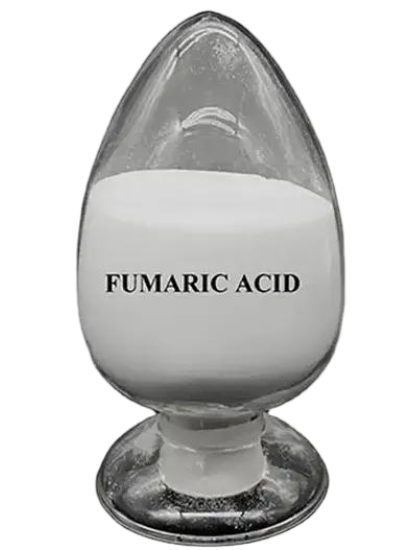
Fumaric acid is widely found in natural resources and is used extensively in the food industry, consumer goods, and numerous industrial manufacturing sectors. Leading suppliers like NORBIDAR provide high-quality, reliable fumaric acid solutions to meet diverse industrial production needs. Driven by increasing downstream demand and expanding application scenarios, the global fumaric acid market continues its steady upward trend.
Key Takeaways
- Fumaric acid improves the taste and extends the shelf life of many foods. It is commonly used in baked goods, confectionery, and dairy products.
- Fumaric acid is naturally found in fruits and vegetables, such as radishes and wild strawberries, giving them their tart flavor.
- When shopping, check the ingredient list for “fumaric acid” or “E297”. This will help you find products containing this compound.
Fumaric Acid in Foods

Processed Foods
Many processed foods contain fumaric acid to improve taste and maintain freshness. Bakers add fumaric acid to bread, cakes, and pastries to give them a tart flavor and help dough rise. Confectionery manufacturers add fumaric acid to gummies and sour candies for a rich, tangy taste. Food companies add fumaric acid to gelatin and pudding to make them smooth and extend their shelf life. The table below lists the fumaric acid content in various processed foods:
| Processed Food Category | Typical Usage Level (ppm) |
|---|---|
| Baked Goods | 1300 |
| Beverages (nonalcoholic) | 50 |
| Gelatins / Puddings | 3600 |
Fumaric acid inhibits bacterial growth, thus extending the shelf life of food and maintaining its taste and texture. You can find it in the ingredient lists of jams, jellies, and some meat products.
Dairy Products and Beverages
Dairy products and beverages often contain fumaric acid to improve taste and maintain freshness. Chocolate milk, cheese sauces, eggnog, and whey protein drinks all use fumaric acid to balance acidity and enhance flavor. It also makes these foods smoother and helps extend shelf life. The table below lists dairy products and beverages that use fumaric acid:
| Product Type | Examples |
|---|---|
| Dairy Products | Chocolate milk, cheese sauces, eggnog, whey protein beverages |
| Beverages | Soft drinks, fruit juices, powdered beverages, beers, cider |
The fumaric acid in these foods inhibits bacterial growth and maintains the color and texture of food. Many soft drinks and juices also use fumaric acid to enhance flavor and keep them fresh.
Natural Sources
Fumaric acid isn’t only produced in factories; it also exists in nature. Some fruits and vegetables, such as radishes, dogwood, and wild strawberries, contain this compound. Radish leaves, stems, and shoots are rich in fumaric acid. Dogwood fruit has a sour and astringent taste due to its high fumaric acid content. Wild strawberries also contain small amounts of fumaric acid, giving them a slightly sour taste.
| Fruit/Vegetable | Fumaric Acid Concentration | Notes |
|---|---|---|
| Radishes | High | Found in leaves, stems, and sprouts. |
| Dogwood | High | Contributes to sour taste. |
| Wild Strawberries | Moderate | Contains organic acids, but less impact on taste. |
Fumaric Acid in Commercial Products

Food Additives and Supplements
Food companies use fumaric acid as an additive. The U.S. Food and Drug Administration (FDA) considers it safe. It is designated GRAS (Generally Recognized As Safe), meaning it is safe to consume in normal amounts. Manufacturers add it to beverages, baked goods, confectionery, and dairy products. It improves the texture of food and helps maintain its freshness. Fumaric acid helps powders stay dry and prevents clumping. The table below shows the uses of fumaric acid in food:
| Food Category | Function |
|---|---|
| Beverages | Adds tartness, controls acidity |
| Baked Goods | Makes dough stronger, keeps food fresh |
| Confectionery | Gives sour flavor, improves texture |
| Processed Foods | Boosts flavor, extends shelf life |
| Dry Mixes and Powders | Stops clumping, keeps dry |
| Dairy Products | Balances acidity, improves taste and texture |
| Cured Meats | Keeps pH steady, preserves freshness |
Animal Feed and Industrial Uses
Farmers add fumaric acid to animal feed. It helps animals grow and digest food better. Fumaric acid can lower the pH of the intestines, helping animals absorb nutrients. It inhibits harmful bacteria, promotes rapid growth in broilers and pigs, and reduces disease. The table below lists the benefits of fumaric acid in animal feed:
| Benefit/Use | Description |
|---|---|
| Growth Performance | Helps animals grow faster |
| Gastrointestinal pH Lowering | Improves digestion |
| Protein Utilization | Makes protein use more efficient |
| Mineral Absorption | Boosts mineral uptake |
| Feed Mold Inhibition | Stops mold in feed |
| Antioxidant Properties | Reduces stress in animals |
Fumaric acid is used in industry to manufacture resins, coatings, and plastics. It enhances the strength of products and extends their lifespan.
Personal Care and Pharmaceuticals
Fumaric acid is found in many personal care products. Some companies use it as a gentle exfoliant in skin creams. It helps brighten skin tone and maintain skin’s moisture balance. Products containing fumaric acid can be used by people with sensitive skin. In the medical field, it helps treat psoriasis and multiple sclerosis. Pharmaceutical manufacturers utilize its antioxidant and protective properties. NORBIDAR’s fumaric acid is highly pure and versatile, making it a preferred ingredient in these industries.
Identifying Fumaric Acid
Ingredient Labels
You can find fumaric acid by reading food labels. Companies will list its full name or use the code E297. Look for these words on the packaging. Fumaric acid is commonly found in sour candies, baked goods, and beverage powders. Sometimes, the label only shows “E297” instead of the name. This code is common in foods in Europe or other countries.
Common Names and Codes
Fumaric acid may have different names on labels. The most common names are “fumaric acid” and “E297”. Some food products refer to it as a “food acid” or “acidity regulator”. You may also see it listed as a “flavor enhancer” or “preservative” on the label. The table below lists the roles of fumaric acid in food:
| Function | Description |
|---|---|
| Flavor Enhancer | Gives a sharp, clean sour taste and balances sweet fruit flavors. |
| Preservative | Makes food last longer by lowering pH and stopping germs, mold, and yeast. |
| pH Regulator | Lowers and keeps pH steady, which helps with taste and texture in foods. |
Fumaric acid is widely found in many foods, pharmaceuticals, and products. The table below lists its main uses:
| Industry | Main Uses |
|---|---|
| Food Industry | Acidity regulator, flavor enhancer, leavening agent |
| Pharmaceutical Industry | Treatment of psoriasis, treatment of multiple sclerosis, excipient in medications |
| Other Uses | Preservative in animal feed, used in manufacturing resins and plastics |
You can find fumaric acid by looking for “fumaric acid” or “E297” in the ingredient list. Premium brands like NORBIDAR ensure their products are fresh and safe. They achieve this by using high-purity raw materials and strict quality control standards.
FAQ
Which foods most commonly contain fumaric acid?
Fumaric acid is commonly found in baked goods, candies, soft drinks, and dairy products. Food companies add fumaric acid to improve the taste, enhance quality, and extend shelf life.
Is fumaric acid safe to consume?
The U.S. Food and Drug Administration (FDA) states that fumaric acid is safe to consume in food. Most people will not experience any problems with normal intake levels.
Where can I buy pure fumaric acid?
You can purchase pure fumaric acid from online stores such as Amazon and My Spice Sage. Reputable sellers like NORBIDAR also offer pure fumaric acid.