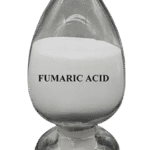
The price of fumaric acid fluctuated little in the second quarter of 2024, ranging from $1.10 to $1.20 per kilogram, or approximately $1250 per ton. Businesses closely monitor prices as they directly impact their spending and profits. Buyers also frequently monitor prices to seek the best possible deal. Changes in purity, grade, or demand can all cause price fluctuations. Reputable suppliers can help buyers make more informed choices.
Key Takeaways
- Prices vary across regions due to supply and demand. Prices are lower in the Asia-Pacific region and higher in North America and Europe. Purity and grade also affect prices. Food-grade fumaric acid is more expensive than industrial-grade fumaric acid because food-grade fumaric acid has higher quality requirements. Bulk purchasing can save costs; generally, the larger the order quantity, the lower the unit price. Monitor market trends and verify supplier qualifications. This will help you obtain better prices and higher-quality products.
Price of Fumaric Acid
Current Market Prices
The price of fumaric acid is not uniform across regions. NORBIDAR supplies high-quality fumaric acid to numerous industries. Demand for fumaric acid is strong in North America, Europe, and the Asia-Pacific region.
In 2022, the fumaric acid market size was $761.7 million. In 2024, the European market size was $39.2 million. The food and beverage industry is a major component of the European market. The United States and Canada account for approximately 30% of the market share. China and India drive growth in the Asia-Pacific market. Germany and France are the main fumaric acid markets in Europe, primarily using it in the pharmaceutical field.
Price Trends
The price of fumaric acid fluctuates depending on market demand and production. At the end of 2023, prices rose in many regions due to strong demand and insufficient supply. By mid-2024, the situation changed, with increased supply and decreased demand in some regions. Prices declined in Europe, remained unchanged in the United States, and fell in China due to oversupply.
Experts believe that prices will continue to rise next year. The food and beverage industry has a greater demand for fumaric acid, and more and more companies are looking to use natural and healthy products, which is contributing to market growth. Forecasts indicate that prices will rise as purchasing volume increases. Market demand is strong, especially in the Asia-Pacific and North America regions.
Personal demand also affects prices. Demand from industries such as food, pharmaceuticals, and manufacturing influences prices. Forecasts show that the market will continue to grow. Prices will also change if supply and demand shift.
Factors Affecting Fumaric Acid Prices
Purity and Grade
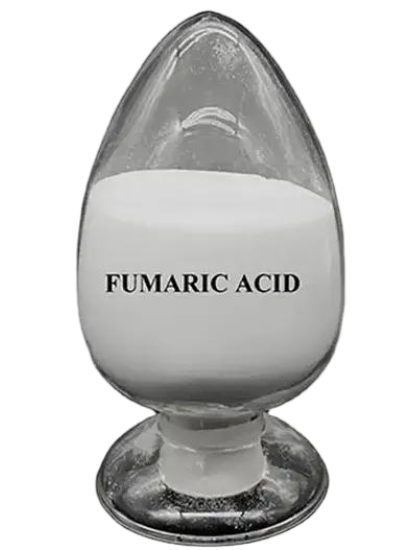
The purity and grade of fumaric acid affect its price. Food-grade fumaric acid is more expensive because the food and beverage industry has high purity requirements. Industrial or technical-grade fumaric acid is less expensive and used in areas where purity requirements are not high. In addition, there are special grades such as CWS (concentrated fumaric acid). CWS has finer particles, better solubility, and is the most expensive. Food-grade HWS (concentrated fumaric acid) is cheaper than CWS. Industrial-grade fumaric acid typically costs about 90% to 95% of food-grade HWS.
Purchase Quantity
The quantity a buyer orders affects the price. Larger orders usually enjoy lower unit prices. Large buyers, such as factories or distributors, pay less than smaller buyers. This is because suppliers can save costs when handling large orders. Smaller orders for research or special purposes are more expensive. Buyers should compare prices for different order quantities to find the best deal.
Suppliers and Region
The supplier and location of purchase for fumaric acid both affect the price. In December 2023, the price of fumaric acid in the United States was $1,310 per ton. This was due to strong market demand and transportation difficulties. By the second quarter of 2024, the price of fumaric acid in the United States had fallen to $1,250 per ton. This was due to supply and demand approaching equilibrium. In Europe, prices may rise if trade routes are disrupted or shipping capacity is insufficient. Transportation costs, delays, and trade issues can all cause price fluctuations. Buyers in different regions may therefore pay different prices.
Market Demand
Demand for fumaric acid has a significant impact on its price. Food and beverage companies use fumaric acid extensively. Unsaturated polyester resin producers also require fumaric acid. This stable demand helps to mitigate price fluctuations. Sometimes, prices can change if raw material supplies decrease or energy costs rise. Prices may rise if shortages occur or the chemicals needed for production become difficult to obtain. Fumaric acid and maleic acid are closely related. If problems occur in one market, the other market may also be affected. When demand for fumaric acid exceeds supply, prices rise. If supply increases or demand decreases, prices may fall.
Fumaric Acid Prices (by Supplier and Purchase Quantity)
Wholesale vs. Retail Prices
The price of fumaric acid depends on the purchase volume. The larger the purchase volume, the lower the price per kilogram. Larger orders help suppliers save on packaging and shipping costs, which are ultimately passed on to the buyer. For example, a company purchasing 20 tons per month will pay a lower price per ton. Small businesses purchasing only a few kilograms per month will pay a higher price. Retail buyers, due to their smaller order volumes, face higher handling costs and therefore pay a higher price.
The table below briefly illustrates how prices vary with order size:
| Order Size | Typical Price per kg | Supply Terms |
|---|---|---|
| 1-100 kg | $1.30 – $1.50 | Small, retail supply |
| 101-1000 kg | $1.15 – $1.25 | Medium, bulk supply |
| 1 ton or more | $1.10 – $1.20 | Large, bulk supply |
Manufacturers vs. Distributors
Manufacturers like NORBIDAR sell directly to buyers. This typically means better prices and higher quality. NORBIDAR uses new technologies to maintain a clean and stable supply. Distributors buy directly from manufacturers and then resell to smaller buyers. Because distributors add their own costs, prices can be higher.
NORBIDAR’s unique advantage lies in its control over the entire supply chain. This helps maintain price stability and superior quality. Other suppliers may not have this level of control. Buyers who work with manufacturers can obtain better prices, especially when purchasing in bulk.
Fumaric Acid Market Analysis
Applications and Industry Demand
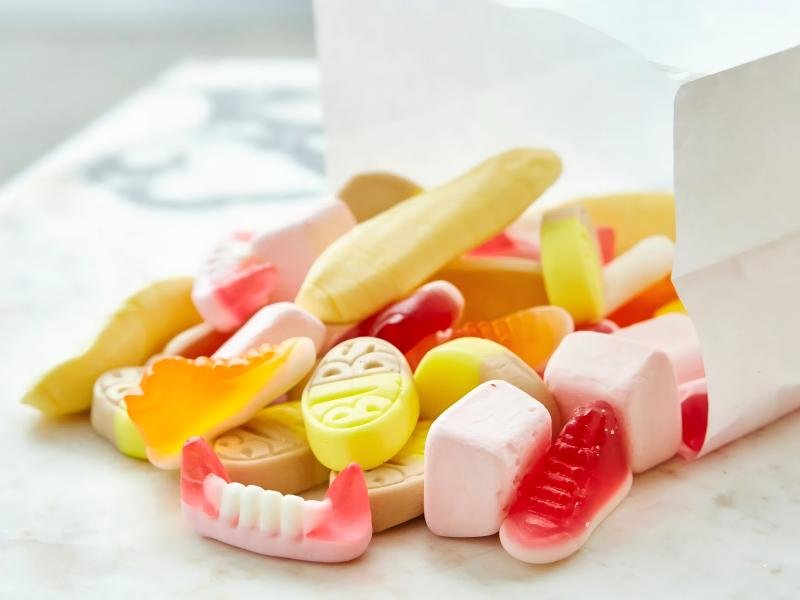
Fumaric acid is widely used in numerous industries. There is significant demand in the food, pharmaceutical, animal feed, industrial, and personal care sectors. Companies add it to food and beverages to improve taste and functionality. It helps enhance the flavor of baked goods, soft drinks, and confectionery. Well-known brands like Pepsi and Coca-Cola also use fumaric acid to balance sweetness and enhance flavor. With so many products using fumaric acid, the demand for it is constantly increasing.
Farmers use fumaric acid to promote healthy animal growth. It helps chickens, pigs, and fish grow healthily. Pharmaceutical companies use it to produce medicines for treating skin and neurological disorders. In the personal care industry, it helps produce gentle yet effective skincare products. Factories use it to produce resins needed for construction and automotive parts. All these uses maintain a stable demand for fumaric acid and shape the market landscape.
The table below shows how different industries use fumaric acid and how this affects market demand:
| Application Sector | Role of Fumaric Acid | Impact on Demand |
|---|---|---|
| Food and Beverages | Used to make food taste and feel better. | More people want easy foods, so they use more fumaric acid. |
| Construction and Automotive | Used to make special resins for plastics and coatings. | More fiberglass and coatings mean more fumaric acid is needed. |
Experts predict that all industries will grow by approximately 6.8% annually. This means that the market size will expand as demand for fumaric acid increases.
Regional Price Differences
Fumaric acid prices are not globally uniform. Prices are lower in Asia due to large production volumes and strong market demand. China and India are the main fumaric acid producing regions, with large-scale factories and high consumption in processed foods. Prices are higher in Europe and North America due to stricter regulations, higher production costs, and lower production volumes. Transportation and import taxes also affect prices, especially when imports from other countries are required.
In 2013, fumaric acid sales in the Asia-Pacific region exceeded $250 million, primarily driven by increased demand in processed foods. North America is the second largest market, while growth in Europe is slower. Trade rules, taxes, and international issues can all contribute to price fluctuations. These factors influence how companies source and produce fumaric acid. Companies need to closely monitor these trends to understand the market and plan ahead.
Buying Tips for Fumaric Acid
Negotiation Strategies
Savvy buyers will try to purchase fumaric acid at the lowest possible price. They will research market conditions before buying and monitor price changes over time. Buyers will negotiate with multiple suppliers and compare prices. If purchasing in bulk, they will request discounts. Suppliers typically offer lower prices for large or recurring orders. Sometimes, special offers are available when supply is plentiful.
Good negotiation skills mean understanding certifications and quality information. Suppliers with good certifications can usually offer more favorable prices. The table below lists important certifications that buyers should focus on:
| Certification/Standard | Description |
|---|---|
| cGMP | Good Manufacturing Practice approved by FDA |
| GLP | Good Laboratory Practice of WHO standard |
| ISO-9001 | Quality management system standard |
| ISO-14001 | Environmental management system standard |
| ISO/IEC 17025 | Testing and calibration laboratories standard |
| ISO-45000 | Occupational health and safety management standard |
| HACCP | Hazard Analysis Critical Control Point certification |
| FSSC 22000 | Food Safety System Certification |
| FSSAI | Food Safety and Standards Authority of India certification |
| REACH | Registration, Evaluation, Authorisation and Restriction of Chemicals |
| Kosher | Certification for food that meets Jewish dietary laws |
| Halal | Certification for food that meets Islamic dietary laws |
| e-CTD and DMF support | Available upon request |
Reliable Price Sources
To find the right price, buyers check many places. They visit supplier websites like Fisher Scientific for the latest prices. They read reports to learn about the market and how it changes. These reports help buyers know when to buy.
Companies also watch for new technology and rules. They look for suppliers who use bio-based ways to make fumaric acid. They also want suppliers with strong research teams. Buyers read news about the market, like supply changes or new laws. They compare prices from different places to find the best deal.
A simple checklist helps buyers stay smart in the market:
- Check supplier websites for new prices.
- Read reports for market updates.
- Compare prices from different suppliers.
- Watch for market and price changes.
- Pick suppliers with top certifications.
In 2024, the price of fumaric acid ranged from $1,800 to $2,000 per ton. Price fluctuations were primarily influenced by changes in raw material costs, and environmental regulations also played a role. Fumaric acid competes with citric acid, and fluctuations in citric acid prices also affect fumaric acid prices. Changes in supply and demand also impacted market prices. NORBIDAR is known for its high purity and reliable certifications. Buyers should closely monitor market dynamics, compare prices, and utilize reliable channels to find the best deals. Many factors in the market influence the price of fumaric acid.
FAQ
What factors influence the market price of fumaric acid?
Many factors affect prices. Supply and demand are crucial. Purity and grade are also important. Transportation costs also affect price fluctuations. Buyers should closely monitor market dynamics.
How often does the market price of fumaric acid change?
Prices typically change every three months. Sometimes, prices can change rapidly if demand increases or supply decreases. Buyers need to monitor the market frequently.
Where can buyers find reliable fumaric acid market prices?
Buyers can check supplier websites or read market reports. NORBIDAR and other reputable companies publish price information. Market news helps buyers understand market dynamics.
Why do prices differ across market regions?
Each region has its own regulations and tax policies. Supply chains also vary. Prices are lower in Asia due to larger production volumes. Prices are higher in Europe and North America.
How can buyers obtain the best prices in the market?
Buyers compare prices from multiple suppliers. They will ask for discounts and monitor market trends. Understanding market conditions helps buyers save money.