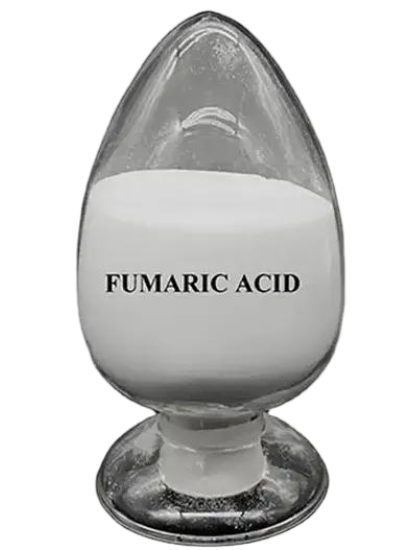
Fumaric acid (molecular formula C₄H₄O₄, CAS 110-17-8) is a naturally occurring white crystalline dicarboxylic acid. It is widely adopted as a regulated functional raw material across food & feed, personal care, pharmaceutical excipient and industrial polymer manufacturing sectors. Raw material suppliers such as NORBIDAR supply FCC/JECFA compliant food, feed and industrial grades for bulk wholesale and customized formulation orders.
| Application | Market Share (2023) | Key Insights |
|---|---|---|
| Food & Beverages | 44.8% | It is used to keep food fresh and make food taste better. |
| Unsaturated Polyester Resin | N/A | This segment is growing fast because of building and car needs. |
| Pharmaceuticals & Cosmetics | N/A | It helps balance pH and keeps products stable. |
Key Takeaways
- Fumaric acid is a multi-purpose food-grade acidulant and industrial crosslinking monomer with recognized global regulatory safety approval.
- It delivers persistent tart flavor and microbial inhibition to extend food shelf life within official category dosage limits set by JECFA, FDA and EFSA.
- Two mainstream industrial production routes exist: petrochemical maleic anhydride isomerization and bio-fermentation from glucose/molasses; fermentation delivers lower fossil carbon footprint with unique water consumption tradeoffs.
- Standard industrial raw material batches must comply with unified international purity standards (JECFA, FCC, EU food additive specifications) for food, cosmetic and pharmaceutical excipient applications.
What Is Fumaric Acid?

Molecular Structure & Core Physicochemical Properties
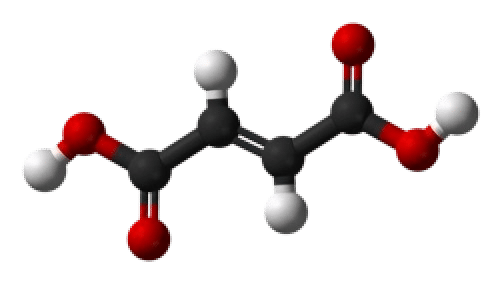
Fumaric acid is classified as an unsaturated trans-dicarboxylic acid with the molecular formula C₄H₄O₄, also known as trans-2-butenedioic acid. Standardized reference parameters sourced from ICSC 1173 and FCC monograph:
| Property | Value |
|---|---|
| Molecular Weight | 116.07 |
| Formula | C4H4O4 |
| CAS No. | 110-17-8 |
| Synonyms | 2-Butenedioic acid, Trans-Butenedioic acid, Allomaleic acid, Boletic acid, Donitic acid, Lichenic acid, Fumarate |
| Smiles | C(=CC(=O)O)C(=O)O |
Thermal and solubility physical indicators (tested at standard atmospheric pressure, 25°C):
| Physical Indicator | Reference Value | Supplementary Note |
|---|---|---|
| Thermal transition temperature | 298–300 °C | No distinct melting point under ambient pressure; thermal dehydration/decomposition initiates above 213°C |
| Relative Density | 1.62 g/cm³ | Crystalline solid bulk density |
| Aqueous solubility (25℃) | 0.63 g / 100 mL water | Low cold-water solubility, best suited for dry powder formulations |
| Solubility (95% ethanol, 25℃) | 0.46 g / 10 mL ethanol | Poor solubility in short-chain alcohols |
Biological Role: TCA Cycle Intermediate
Endogenous fumarate is a core intermediate in the human tricarboxylic acid (Krebs) energy cycle:
- Succinate is oxidized to fumarate via succinate dehydrogenase
- Fumarate is hydrated to malate catalyzed by fumaraseThis endogenous metabolic pathway processes trace dietary fumaric acid absorbed from regular food intake.
Natural Occurrence
Fumaric acid naturally accumulates in multiple edible plants, fungi and vegetables:
- Fumitory herb, lichen, Iceland moss, starfruit, onions, chives, celery, cauliflower, cabbage, carrots, potatoes
- Edible fungi including Boletus edulis and Amanita caesarea
- Additional natural sources: apples, papayas, radishes, tomatoesBar chart comparative data illustrates variable natural fumaric acid concentrations across six common mushroom species. Low natural background levels mean routine dietary exposure is far below JECFA’s acceptable daily intake threshold.
Production of Fumaric Acid
Two Main Industrial Manufacturing Routes
Global manufacturers rely on two scalable production pathways with distinct raw material and environmental profiles:
- Petrochemical chemical synthesis: Starting feedstock maleic anhydride derived from fossil hydrocarbon cracking, undergoing catalytic cis-trans isomerization to form fumaric acid. High mass conversion efficiency of maleic anhydride feedstock; high fossil energy and wastewater generation.
- Bio-fermentation synthesis: Renewable glucose/molasses feedstock converted via microbial biocatalysis. Lower fossil carbon footprint, categorized as sustainable green production, yet requires large process water volumes and dedicated wastewater treatment systems.
NORBIDAR’s Manufacturing Approach
NORBIDAR uses new technology in its factory. The company uses a process that keeps heat steady. This helps make better fumaric acid. Enzymatic catalysis is used at low heat. This stops bad reactions and makes things safer. The company uses special ways to clean the product. These ways do not use strong chemicals. Low heat is used to dry the product. This saves energy and keeps the product safe.
NORBIDAR makes custom products that follow strict rules. The company uses Good Manufacturing Practices. Every batch is tested for purity and strength. NORBIDAR’s fumaric acid meets world standards like JECFA, FCC, and EU rules. Food-grade fumaric acid are safe according to the FDA and EFSA. The company checks all tools and materials. This makes sure the product is good for food, medicine, and industry.
Fumaric Acid Safety and Health
Food and Cosmetic Safety
Fumaric acid is in many foods and cosmetics. Groups like the FDA and EFSA make rules for how much can be used. The table below shows the highest amount allowed in each food group:
| Food Category | Maximum Level (mg/kg) |
|---|---|
| Fruit-flavoured desserts | 4000 |
| Sugar confectionery | 1000 |
| Chewing gum | 2000 |
| Decorations, coatings and fillings | 1000 |
| Fillings and toppings for fine bakery ware | 2500 |
| Instant products for flavored tea and infusions | 1000 |
| Gel-like desserts, dry powdered dessert mixes | 1000 |
Experts from FAO and WHO say it is safe to eat 0 to 6 mg for each kilogram you weigh every day. This amount is okay for kids and adults. In the European Union, people should not eat more than 780 micrograms each day. Most people do not get stomach aches or other problems at these amounts.
Cosmetic safety matters too. Groups like the FDA, EU REACH, and Environment Canada say fumaric acid is safe in things like shampoo and creams if you use them the right way.
Side Effects and Precautions
Some people might have small side effects. The table below lists the most common ones:
| Side Effect | Description |
|---|---|
| Gastrointestinal upset | May include nausea, diarrhea, or stomach pain |
| Skin flushing | Redness or warmth of the skin |
| Decreased white blood cells | Seen with long-term or high-dose use |
People with sensitive stomachs or allergies need to be careful. Allergies can cause rashes, itchy skin, swelling, or trouble breathing. Doctors say you should talk to a healthcare worker before taking a lot or using supplements, especially for babies or pregnant people.
Tip: Always follow safety rules when working with fumaric acid in a factory or store. Wear gloves, goggles, and keep the room full of fresh air.
High-risk groups (individuals with chronic sensitive gastric disorders, confirmed fumarate ester hypersensitivity, infants, pregnant people) should consult a healthcare provider before consuming large volumes of high-acid foods containing fumaric acid.
Industrial handling safety tip: Operators processing bulk crystalline fumaric acid must wear chemical-resistant gloves, safety goggles and maintain adequate mechanical ventilation to avoid dust inhalation and mucosal irritation.
Fumaric acid functions as a compliant, low-hazard acidity regulator for food manufacturing, a shelf-life stabilizer for cosmetic formulations and a core crosslink monomer for unsaturated polyester composite production. Global market demand expands alongside growth in processed food manufacturing and advanced polymer composite materials.
FAQ
What industries consume fumaric acid in the largest volumes?
The food and beverage manufacturing sector represents the primary consumption market. Secondary major application fields include unsaturated polyester resin composite production, livestock feed acidifiers, pharmaceutical inactive excipients and mild cosmetic pH adjusters.
Is food-grade fumaric acid safe for regular daily dietary intake?
Authoritative regulatory bodies including the U.S. FDA, EFSA and JECFA confirm food-grade fumaric acid is safe for routine consumption within category-specific maximum dosage limits and the universal ADI 0–6 mg/kg bw threshold. The vast majority of consumers experience no adverse effects under normal dietary exposure.
How do qualified raw material suppliers guarantee consistent product purity?
Compliant manufacturers implement full GMP batch testing protocols, conducting systematic purity, impurity and heavy metal screening on every production batch to align with JECFA, FCC and EU cross-industry raw material standards.
Food and feed dual-purpose fumaric acid from suppliers such as NORBIDAR complies with unified global food additive regulatory specifications for mass production.