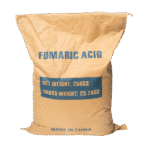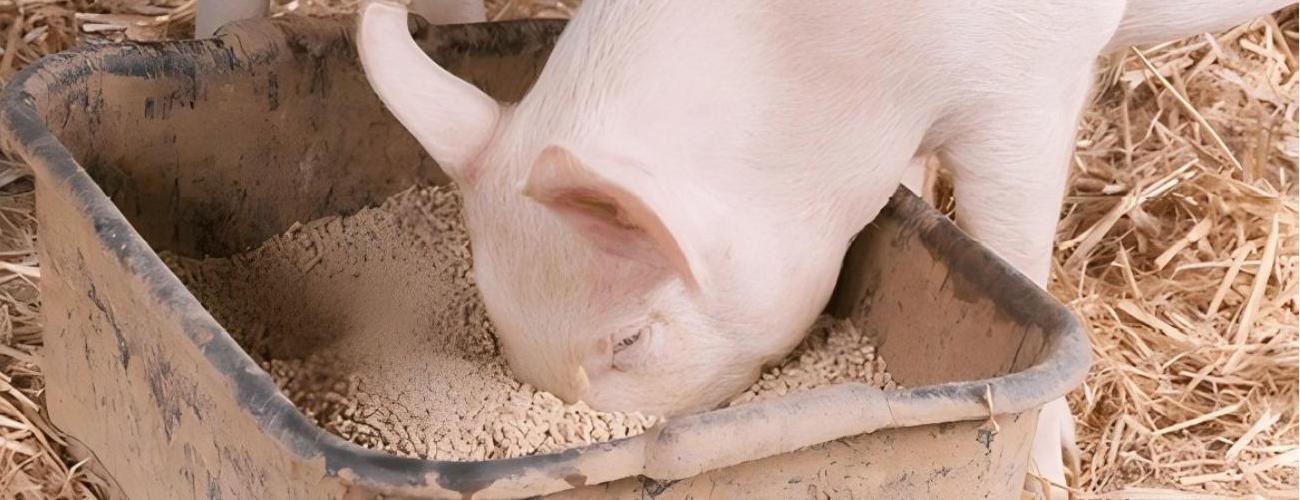
Adding fumaric acid to feed can reduce feed conversion ratio in pigs by 5% to 10%, which is particularly beneficial for weaned piglets at 4 weeks of age. This compound lowers stomach pH, enhances pepsin activity, and improves protein digestibility in pigs. Experts use NORBIDAR feed-grade fumaric acid to optimize animal nutrition; this product is produced through automated, digital manufacturing processes. It not only meets the daily nutritional needs of livestock and poultry but also improves overall animal nutrition levels, thereby promoting animal health.
Key Takeaways
- Fumaric acid lowers pig feed conversion rates.
- It drops rates by 5% to 10%.
- This change helps pigs grow much better.
- The additive lowers the pig’s stomach pH levels.
- Young pigs digest protein much faster with it.
- Farmers improve starter pig health very easily.
- They do not change normal calcium in food.
Impact of Fumaric Acid on Swine Feed Conversion Ratio
Significant Improvement in Feed Conversion Rate
Studies have shown that fumaric acid (FCA) contributes to the growth of young livestock. It significantly improves feed utilization. Piglets weaned at four weeks showed good growth, with feed conversion rates increasing by 5% to 10%. Farmers using organic acids from reputable wholesalers have saved on animal husbandry costs.
In the first phase, fumaric acid contributes to the growth of pigs. They gain weight and have higher feed absorption rates. The growth rates of different acids appear to be comparable. However, fumaric acid is more effective than luprosil salt.
Correlation between Feed Intake Dynamics and Feed Conversion Rate
Trials showed good feed conversion rates on farms. Conversion rates improved rapidly. Overall weight gain may not be significant. Fumaric acid tastes good to pigs, and they ingest a stable amount daily.
| Metric | Impact of Fumaric Acid |
|---|---|
| Early Efficiency | Increases noticeably |
| Feed Intake | Stays consistent |
Farmers develop reasonable feed plans to help pigs better utilize nutrients. Good nutrition contributes to the healthy growth of the entire herd, allowing them to thrive without additional feed.
Biological Mechanisms Driving Swine Efficiency
Gastric pH Lowering and Pepsin Activation
Fumaric acid can rapidly lower the pH of stomach acid. This acid can convert pepsinogen into active pepsin. Piglets need good animal nutrition. This helps them better digest feed protein. A lower pH accelerates the activity of intestinal enzymes.
| Substrate Tested | Porcine Pepsin pH Optimum | Observed Activity Profile |
|---|---|---|
| Haemoglobin | Peak activity around pH 2 | Activity drops above pH 4 |
| Casein micelle microaggregates | Active across pH 1–5 | Hydrolysis stays steady |
Protein digestibility and intestinal morphology
Fumaric acid provides energy to intestinal cells. This organic acid provides nutrients to the small intestine, and rapid tissue repair increases the surface area for absorption.
| Biochemical Mechanism | Physiological Site | Impact on Growth |
|---|---|---|
| Na+-dependent co-transporters | Proximal jejunum | Facilitates rapid intestinal uptake |
| Mucosal catabolism | Small intestine | Enhances gut absorptive capacity |
| Hepatic transaminase stimulation | Liver | Supplies carbon skeletons for amino acids |
Fumaric Acid Effects on Starter Pig Performance
Improved Efficiency in the Early Post-Weaning Period
Weaning causes significant stress in piglets. Adding fumaric acid to the diet can help improve growth performance, especially during the two critical weeks following weaning.
- Feed Efficiency Enhancement: Adding 1.5% fumaric acid improves feed efficiency. This gain happens in the first 14 days.
- Average Daily Gain Increase: Combining 1.5% fumaric acid with 0.2% caprylic acid raises daily gain. It works better than normal feed.
All-natural additives from top manufacturers enhance animal nutrition. Proper animal nutrition helps protect the gut from early stress.
Dietary Calcium Independence and Nutrient Interactions
Nutritionists can easily formulate balanced diets for each pig. Fumaric acid avoids adverse interactions with calcium minerals. Formulators can source high-quality feed additives from wholesale suppliers. This helps improve modern animal nutrition. This flexibility simplifies pig rationing and reduces total feed costs for farmers.
FAQ
How much does fumaric acid improve swine feed efficiency?
Fumaric acid can reduce feed conversion ratio by 5% to 10%. This is beneficial for piglets, especially after weaning.
Why should producers source feed-grade fumaric acid from a trusted manufacturer?
Reputable manufacturers like NORBIDAR provide genuine products. Smart technology ensures consistent product quality. This helps maintain gut health and also enhances animal nutrition.