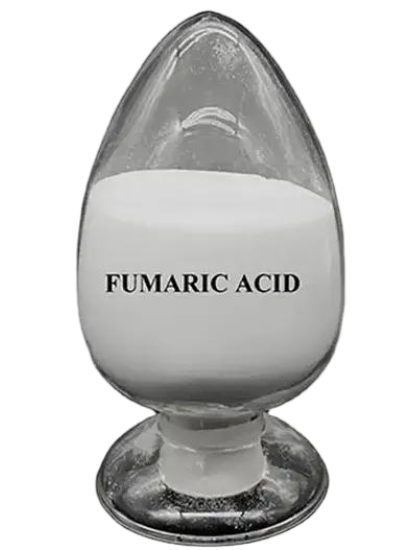
The core distinctions between fumaric acid and malic acid cover molecular structure, water solubility, acid potency, sensory flavor and applicable industrial scenarios. Fumaric acid delivers sharp, immediate tartness with low water solubility and higher acid potency. Malic acid features smooth, fruit-forward sourness and dissolves rapidly in water.
| Property | DL-Malic Acid | Fumaric Acid |
|---|---|---|
| Taste | Smooth, fruit-like, lasting sourness | Sharp, quick sourness |
| Solubility | Dissolves easily and quickly | Dissolves slowly and not easily |
| Acid Strength | Medium acid strength | Stronger acid strength |
| Typical Uses | Drinks, sports drinks, gummies | Powdered drinks, tortillas, baked goods |
| Cost Efficiency | Needs more to work | Needs less, saves money |
Key Takeaways
- Fumaric acid delivers sharp instant sourness and dissolves slowly in cold water, making it suitable for baked goods and dry powder formulations.
- Malic acid offers smooth fruit-like lingering tartness with high water solubility, ideal for liquid beverages and gummy confectionery.
- Selecting the appropriate acidulant optimizes finished product sensory performance and raw material usage efficiency.
Difference Between Fumaric Acid and Malic Acid
Quick Comparison Table
Fumaric acid and malic acid are different in many ways. Their chemical structure, how well they dissolve, acid strength, and taste are not the same. The table below shows the main differences:
| Property | Fumaric Acid | Malic Acid |
|---|---|---|
| Chemical Structure | Trans configuration | Cis configuration |
| Solubility in Water | 5.3 g/L (25°C) | 845 g/L (25°C) |
| Acid Strength (pKa1) | 3.03 | 3.40 |
| Taste Profile | Sharp, immediate sourness | Smooth, lingering sourness |
| Melting Point | ~287°C | 130–139°C |
| Buffering Capacity | Strong near pH 3.0 | Weaker near pH 3.0 |
| Cost Efficiency | High (lower usage needed) | Lower (higher usage needed) |
| Main Applications | Baked goods, powdered drinks, animal feed, resins | Beverages, gummies, sports drinks, fruit products |
Main Distinctions
Fumaric acid and malic acid have different molecules. Fumaric acid is trans-butenedioic acid, with two carboxyl groups positioned on opposite sides of the carbon-carbon double bond. This symmetric trans structure forms stable crystal lattices, resulting in a high melting point and low water solubility, ideal for high-temperature processing and dry formulations that require long-term stability.
Malic acid is 2-hydroxybutanedioic acid, a saturated dicarboxylic acid without cis-trans geometric isomerism. Its hydroxyl group raises molecular polarity, granting excellent water solubility and fast dissolution speed, which fits liquid beverage and gummy production requiring rapid acid dispersion.
Sensory Properties
Taste is important when picking between fumaric acid and malic acid. Tests show fumaric acid gives a sharp, quick sour taste. It makes your mouth feel dry and tart. The sour taste from fumaric acid comes fast and goes away quickly. This is good for foods that need a strong but short sour taste.
Malic acid gives a smooth, long-lasting sour taste. It makes fruit flavors taste better and lasts longer in your mouth. This is why malic acid is used in fruit drinks, gummies, and sports drinks. The aftertaste from malic acid is not as strong and does not cover up other flavors.
“DL-Malic Acid provides a smooth, fruit-like, long-lasting sourness that enhances natural fruit flavors, while Fumaric Acid delivers a sharp, immediate sourness with a short finish—ideal for impactful acidity.”
| Acid Type | Taste Profile | Perceived Sourness | Aftertaste |
|---|---|---|---|
| Fumaric Acid | Sharp, immediate sourness, short finish, impactful acidity | Stronger and more lingering sour taste | Lingers in the mouth for a long time |
| Malic Acid | Smooth, lingering sourness, enhances fruit flavors | Enhances fruit flavors, less intense | Provides a tartness that is less intense |
Functional Properties
Fumaric acid and malic acid are used for different things in food and drinks. Fumaric acid is a strong acidulant, preservative, and flavor booster. It does not dissolve easily and is a strong acid. This makes it good for dry mixes, baked foods, and animal feed. Fumaric acid helps control acidity, keeps food fresh longer, and improves texture in things like tortillas and candy. It does not soak up water easily, so it is good for dry foods.
Malic acid is also an acidulant and helps change flavors, especially in drinks. It dissolves fast in cold water, so it is great for instant drinks and gummies. Malic acid also helps keep food fresh by stopping yeast and some bacteria from growing. In drinks, malic acid gives a smoother sour taste and helps balance the flavor.
| Function | Fumaric Acid | Malic Acid |
|---|---|---|
| Acidulant | Regulates acidity, enhances taste, and preserves food quality. | Acts as an acidulant, controlling pH levels in food products. |
| Flavor Enhancer | Intensifies and brightens flavors, especially in fruit-flavored items. | Enhances and modifies flavors, contributing to overall taste complexity. |
| Preservative | Inhibits growth of molds and bacteria, extending shelf life. | Powerful inhibitor of yeast and some bacteria, effective in preservation. |
| Texture Improvement | Improves texture and structure in baked goods and confectionery. | N/A |
| Low Hygroscopicity | Does not absorb moisture easily, ideal for dry products. | N/A |
| Cost-Effective Source | Requires smaller quantities compared to other acids, cost-efficient. | N/A |
- Fumaric acid is a strong buffer near pH 3.0. It helps keep color and flavor stable in fruit drinks.
- Malic acid is a weaker buffer but gives a smoother sour taste in drinks.
Fumaric Acid and Malic Acid Applications
Food and Beverage
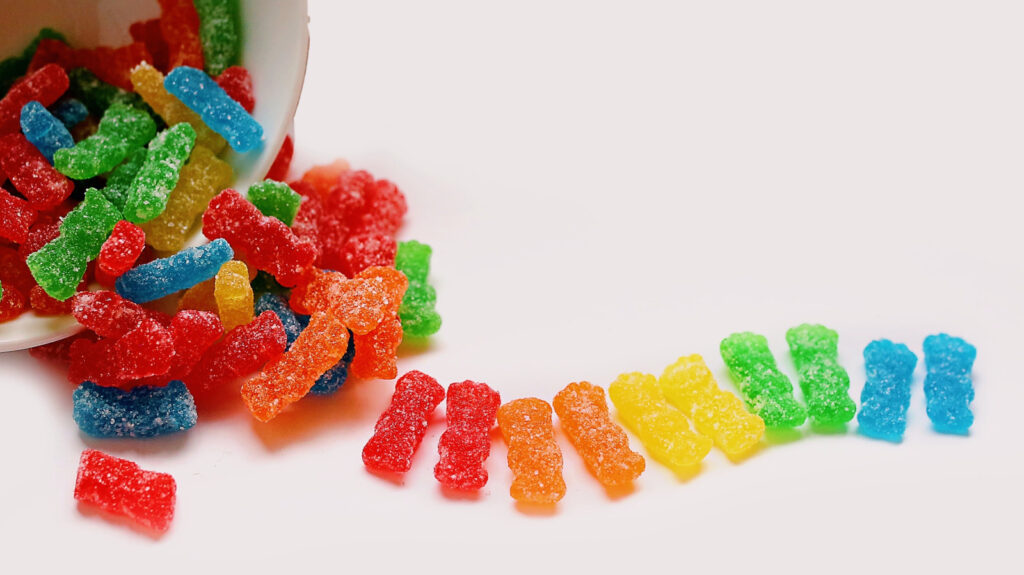
NORBIDAR is a top company that makes fumaric acid for food and drinks. Food makers use fumaric acid to make foods taste more tart. It helps control sourness and keeps foods fresh longer. Fumaric acid is used in powdered drinks, tortillas, baked goods, and candy. Factories need less fumaric acid because it is strong. This saves money for big buyers. Malic acid tastes smooth and fruity. It is found in fruit juices, sports drinks, and gummies. Malic acid dissolves fast, so it works well in instant drinks. All regions set category-specific maximum usage limits for fumaric acid, manufacturers must follow local food regulatory requirements. The table below shows these rules:
| Region | Regulatory Limits for Fumaric Acid | Market and Regulatory Environment Summary |
|---|---|---|
| US | FDA: 0.1% by weight in foods | FDA checks carefully; food and drink industry is big |
| EU | Strict safety and quality regulations | EFSA helps keep food safe and controls sourness |
Animal Nutrition
NORBIDAR gives fumaric acid to animal feed makers and farms. Fumaric acid helps animals digest food better. It keeps their stomachs healthy and fights germs in poultry, pigs, and fish. Studies show fumaric acid helps animals grow and absorb nutrients. It also lowers bad bacteria in their stomachs. Malic acid helps animals eat better and lowers methane in cows. It also helps cows make more milk. The table below compares what each acid does:
| Acid Type | Benefits in Animal Nutrition | Effects on Health and Efficiency |
|---|---|---|
| Fumaric Acid | Helps animals grow, gives energy, fights germs | Keeps stomach healthy, helps animals eat better |
| Malic Acid | Makes food easier to digest, helps cows get fatter and make milk | Cuts methane, helps animals eat better |
Industrial Uses
NORBIDAR’s factory makes fumaric acid for many industries. Fumaric acid is used in making plastics and resins. It helps make plastics and coatings stronger and last longer. Fumaric acid is also used in cleaning products. It helps make CO2 for cleaning baths and other things. Malic acid is not used much in factories. Sometimes it is used in special plastics and chemicals. The table below shows main uses:
| Application Type | Description |
|---|---|
| Unsaturated Polyester Resins | Used in plastics and composite materials |
| Alkyd Resin | Makes paint and coatings dry and stick well |
| Cleaning Agents | Makes CO2 for cleaning and bath products |
Personal Care & Pharmaceuticals
NORBIDAR sells fumaric acid to companies that make skin and medicine products. In skin care, fumaric acid helps keep skin healthy and acts as an antioxidant. Hair products use it to balance pH and make hair feel better. Toothpaste makers add fumaric acid to keep toothpaste stable and fight germs. Medicine makers use fumaric acid types, like dimethyl fumarate, to treat diseases such as multiple sclerosis and iron problems. Studies show dimethyl fumarate can help patients with multiple sclerosis have fewer relapses. Malic acid is safe to use in food and skin products. Animal studies show it is well tolerated.
NORBIDAR works hard to make good products and new ideas. This makes them a trusted partner for food, animal feed, skin care, and industry.
Fumaric Acid and Malic Acid Selection Guide
Best Uses for Fumaric Acid
Fumaric acid is picked because it is strong and saves money. It works well in baked goods, tortillas, and powdered drink mixes. Fumaric acid dissolves slowly, so it is good for dry mixes. It acts as a strong acidulant, flavor booster, and preservative. Wholesale buyers like it because it helps food last longer by stopping bacteria, fungi, and yeast. Factories use fumaric acid in resins and cleaning products. It also helps with fermentation by changing pH in growth media. Fumaric acid has a high melting point and stays stable in heat. This makes it good for things that need to handle high temperatures. Less fumaric acid is needed than other acids, so it costs less to use.
Tip: Encapsulated fumaric acid can help baking by controlling when it is released and keeping yeast safe.
Best Uses for Malic Acid
Malic acid is great for drinks, gummies, and fruit-flavored foods. It dissolves fast in cold water, so it is perfect for instant drinks. Malic acid gives fruit flavors a smooth, long sour taste. Food makers use malic acid in jams, jellies, and dairy foods to change pH and keep the right acidity. Malic acid helps keep calcium drinks stable and makes pectin gels better. It also slows browning in cut fruits and works as an antioxidant in oils and fats.
Decision Checklist
| Criteria | Fumaric Acid | Malic Acid |
|---|---|---|
| Dissolution Rate | Slow, ideal for dry mixes | Fast, ideal for drinks |
| Acid Strength | High, lower usage | Moderate, higher usage |
| Cost Efficiency | Lower cost-in-use | Higher cost, better flavor |
| Sensory Profile | Sharp, immediate sourness | Smooth, lingering sourness |
| Best Applications | Baked goods, tortillas, resins | Beverages, gummies, dairy |
| Environmental Impact | Biodegradable, low footprint | Varies by production method |
Note: When picking between fumaric acid and malic acid, think about what you are making, the taste you want, how much it costs, and how you will process it.
Fumaric acid and malic acid are used in different ways. Fumaric acid gives food a sharp taste and keeps it fresh longer. This makes it good for baked goods and animal feed. Malic acid has a smooth, lasting tart flavor. It works well in drinks and gummies. Factories should look at the selection guide below:
| Acid Type | Flavor Perception | Best Use Cases |
|---|---|---|
| Fumaric acid | Sweeter, less sour | Baked goods, animal nutrition |
| Malic acid | Lingering tartness | Beverages, gummies |
Picking the right acid helps factories make better products. It also helps them follow what people want. Knowing the difference between fumaric acid and malic acid is important for making smart choices.
FAQ
What foods commonly contain fumaric acid or malic acid?
Fumaric acid is found in many baked goods. It is also in powdered drink mixes and tortillas. Malic acid is used in fruit-flavored drinks. You can find it in gummies and jams too.
Is fumaric acid safe for human consumption?
Global food safety authorities including FDA and EFSA have approved food-grade fumaric acid for edible use, with category-specific dosage restrictions that manufacturers must comply with.
How do manufacturers choose between fumaric acid and malic acid?
Manufacturers pick fumaric acid for dry mixes and to save money. They use malic acid when they want it to dissolve fast. Malic acid is also picked for smooth, fruity flavors.