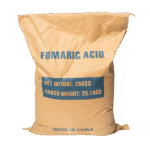
Fumaric acid helps the body produce energy. It is essential for cells to convert food into energy. This compound aids in metabolism and helps eliminate toxins. Fumaric acid can be found in food, supplements, and many everyday products. What does fumaric acid do for the body? It helps cells function properly, but too much or too little can lead to health problems. Most people can safely use products containing fumaric acid.
Key Takeaways
- Fumaric acid is essential for cells to produce energy. It helps convert food into energy through the Klinefelter cycle.
- It helps the body utilize food and eliminate toxins. It helps remove harmful substances from the body.
- Doctors use fumaric acid as an adjunct treatment for psoriasis and multiple sclerosis. It can reduce swelling and pain.
- Maintaining healthy fumaric acid levels is very important. Levels that are too high or too low can indicate health problems.
- Regular medical checkups and a healthy diet help maintain normal fumaric acid levels. This helps maintain good health.
What fumaric acid does to your body

Role in Energy Production
Fumaric acid plays a crucial role in cellular energy production. It helps convert food into energy through its participation in energy metabolism. The human body utilizes fumaric acid in the Klinefelter cycle. The Klinefelter cycle involves multiple steps, ultimately producing ATP, the cell’s primary energy source. The Klinefelter cycle occurs in the mitochondria. During this process, fumaric acid is converted from succinate. This step generates FADH₂, which contributes to ATP production. The table below explains the role of fumaric acid in the Klinefelter cycle:
| Role in Krebs Cycle | Description |
|---|---|
| Formation | Fumaric acid is made when succinate is changed by succinate dehydrogenase. |
| Enzymatic Reaction | Succinate + FAD → Fumarate + FADH₂ |
| Contribution to Energy | Fumaric acid makes FADH₂ and NADH, which are needed for ATP. |
| Anaplerotic Reactions | Fumarate helps refill cycle parts, keeping balance and redox stable. |
Cells need fumarate to maintain the proper functioning of the Klinefelter cycle. This process provides cells with energy, enabling them to grow, repair themselves, and perform various functions. If fumarate is insufficient, cells may not be able to produce enough ATP, leading to fatigue and other health problems.
Effects on Metabolism and Detoxification
Fumarate’s role extends far beyond providing energy. It also aids in metabolism and detoxification. Fumarase converts fumarate into L-malate. This step is crucial for ATP production and the removal of harmful substances from the body. Fumarase functions in both mitochondria and cytoplasm. In mitochondria, it participates in the Klinefelter cycle; in the cytoplasm, it participates in other processes, such as the urea cycle. These roles help maintain energy stability and remove cellular toxins.
Doctors and scientists use organic acid tests to examine metabolism. They determine whether the body is efficiently producing energy by detecting fumarate levels in urine. The table below shows the applications of fumarate in these tests:
| Source | Description |
|---|---|
| Health Matters | Fumaric acid, or fumarate, shows how well the Krebs cycle works and can show health problems. |
| Vibrant Wellness | Checking fumaric acid in urine gives clues about energy flow and cell metabolism. |
| Vibrant Wellness | Fumaric acid helps find problems in energy and metabolism when used with other markers. |
Metabolism changes in healthy individuals. The following list illustrates the differences in fumarate metabolism between healthy individuals and those with disease:
- Fumarate is part of the citric acid cycle, which is essential for energy metabolism.
- High fumarate levels may indicate problems with energy metabolism and may be associated with certain diseases.
- Low fumarate levels may indicate an amino acid deficiency and affect health.
- In heart failure, high fumarate levels may attempt to meet energy demands, but this can actually cause stress.
- In Hashimoto’s thyroiditis, the altered ratio of fumarate to succinate indicates metabolic differences.
What role does fumarate play in the body? It helps cells produce energy, supports metabolism, and aids in detoxification. The role of fumarate depends on how the body uses it. Healthy fumarate levels maintain normal cellular function. Abnormal fumarate levels may indicate underlying health problems.
Applications of Fumaric Acid in Health and Industry
Health Benefits and Medical Uses
Fumaric acid helps maintain human health. Doctors use fumaric acid and its derivatives to treat psoriasis and multiple sclerosis. These diseases damage the skin and nerves. Fumaric acid can reduce swelling and pain and protect cells from damage. Fumarate esters, such as dimethyl fumarate (DMF), are particularly effective for psoriasis. DMF helps control symptoms and improve skin condition.
The table below lists studies on fumaric acid treatment for psoriasis and multiple sclerosis:
| Study Reference | Condition | Findings |
|---|---|---|
| Altmeyer et al., 1994 | Psoriasis | Showed DMF works for treating psoriasis |
| Ghoreschi et al., 2003a | Psoriasis | Proved DMF helps manage psoriasis |
| Kappos et al., 2008 | Multiple Sclerosis | Found DMF helps people with MS |
Doctors have discovered that dimethyl fumarate (DMF) can reduce the relapse rate of multiple sclerosis. It activates the Nrf2 pathway, helping the body combat stress and swelling. Some people may experience side effects such as flushing, diarrhea, or nausea. These problems are usually relieved with the help of a doctor.
Food, Animal Nutrition, and Personal Care Applications
Fumaric acid has applications in many industries. Food manufacturers use it to acidify food and keep it fresh. It helps extend the shelf life of food and ensure food safety. The U.S. Food and Drug Administration (FDA), the European Food Safety Authority (EFSA), and the Joint FAO/WHO Expert Committee on Food Additives (JECFA) all consider fumaric acid safe for use in food. In animal feed, it helps animals digest food and thrive. Farmers add it to the feed of chickens, pigs, and cattle to help them stay healthy.
In the personal care field, companies add fumaric acid to skin and hair care products. It helps maintain the skin’s pH balance and removes dead skin cells. This makes the skin look healthy and radiant. Fumaric acid also protects the skin from pollution and sun damage. NORBIDAR’s products offer these benefits in the food, animal feed, and personal care industries. This makes them useful for many businesses.
Abnormal Fumarate Levels: Symptoms and Management

High Concentration: Causes and Symptoms
High fumaric acid levels can be caused by a variety of factors. Some people have genetic issues that alter their metabolic pathways. Fumarase deficiency is one such condition. This disorder makes it difficult for the body to break down fumaric acid, leading to its accumulation. Ingesting too much fumaric acid from food or supplements can also cause elevated fumaric acid levels. Certain health conditions, such as chronic kidney disease, can also impair the body’s ability to clear fumaric acid.
| Cause of Elevated Fumaric Acid | Explanation |
|---|---|
| Genetic disorders (fumarase deficiency) | Results in accumulation of fumaric acid due to lack of fumarate hydratase enzyme. |
| Dietary factors | Consumption of foods and supplements containing fumaric acid can increase levels. |
| Medical conditions | Chronic kidney disease and metabolic issues can lead to elevated fumaric acid levels. |
People with high levels of fumarate in their bodies may experience a variety of symptoms. These symptoms can affect the brain, muscles, and growth and development. The table below lists some common symptoms:
| Symptoms of High Fumaric Acid Concentrations |
|---|
| Small head size (microcephaly) |
| Unusual brain structure |
| Severe developmental delay |
| Low muscle tone (hypotonia) |
| Trouble gaining weight and growing |
| Seizures |
| Unusual facial features |
| Large liver and spleen |
| Changes in blood cell counts |
| Weak muscles |
| Trouble eating |
| Tiredness |
| Vision problems |
| Movement problems |
Low Levels: Causes and Symptoms
Low fumarate levels can also indicate health problems. A deficiency in fumarate enzymes can lead to low fumarate levels and impair the nervous system. Infants with this problem may exhibit symptoms such as microcephaly, abnormal brain shape, and muscle weakness. Seizures and growth retardation are also common. Low fumarate levels can also mean a deficiency in sufficient amino acids or B vitamins. This alters metabolic pathways and detoxification processes. Patients may experience fatigue, muscle weakness, or difficulty detoxifying. Low fumarate levels may also be associated with chronic fatigue syndrome and other energy problems.
When to Seek Help
People should pay attention to symptoms such as fatigue, difficulty moving, or slow growth. Regular medical checkups help monitor health and metabolic pathways. Doctors may test for fumarate and other indicators through urine or blood tests. They may also check vitamin and mineral levels, adrenaline levels, and the health of the digestive system. A healthy diet helps detoxify and replenish energy. Nutrients such as iron, magnesium, and B vitamins help the body detoxify. Sunlight also helps the body synthesize fumarate. People with autoimmune diseases or skin conditions should consult a doctor before using supplements. The doctor may recommend vitamin B3 supplements or other necessary treatments. Do not overdose on supplements to avoid excessively high levels of vitamin B12 in the body. If you experience severe fatigue, seizures, or delayed growth and development, seek medical attention immediately. Early intervention helps protect health, detoxify, and suppress inflammatory responses.
Fumaric acid helps the body make energy and get rid of toxins. You can get it from food, sunlight, or some supplements. It is good for your skin and can help treat psoriasis. Regular checkups and eating healthy help keep your levels normal. If you feel very tired or have other problems, talk to a doctor.
FAQ
What role does fumaric acid play in cancer treatment?
Doctors use fumaric acid to help maintain cell health. Scientists are studying how it can help reduce swelling in the body. Fumaric acid may slow the growth of abnormal cells. Experts are still researching how it can help treat cancer.
Can fumaric acid assist in cancer treatment?
Fumaric acid can help cancer patients. It can reduce the symptoms of swelling in the body. Doctors use it as an adjunct to treatment. Because it helps reduce swelling during treatment, patients feel better.
How does fumaric acid treat inflammatory diseases?
Fumaric acid helps treat diseases that cause swelling. It can reduce pain and swelling. Doctors use it because it can help patients feel better. Patients with these diseases can benefit from this treatment.
Is fumaric acid safe for cancer patients?
Doctors closely monitor how cancer patients use fumaric acid. It helps with treatment and recovery. Patients can benefit from its anti-swelling effects. Safety depends on each individual’s health condition. Doctors will ensure patients use it correctly.
What other therapeutic uses does fumaric acid have?
Fumaric acid helps treat skin and nervous system disorders. Doctors use it to treat psoriasis and multiple sclerosis. Its effectiveness lies in reducing swelling. Patients often experience symptom improvement after taking it.