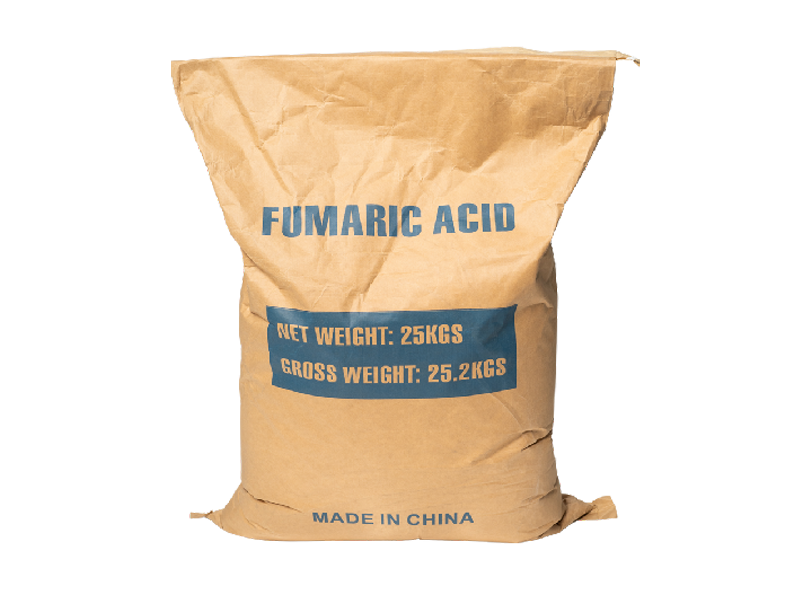
Fumaric acid is widely supplied as food, feed and industrial raw material. Raw material suppliers such as NORBIDAR manufacture standard food-grade fumaric acid complying with global chemical safety specifications. The crystalline powder carries mild occupational hazards during manual handling, mainly local irritation to skin, eyes and respiratory tract. Standardized storage, labeling and personal protection protocols are required to avoid workplace accidents and cross-contamination.
Key Takeaways
- Chemical-resistant gloves and safety goggles are mandatory during powder handling to prevent eye and dermal irritation.
- Store fumaric acid in sealed, clearly labelled containers within cool, dry warehouses to avoid accidental exposure and cross-contamination.
- Clean powder spills promptly with dedicated dust containment tools and report all incidents to on-site supervisors immediately.
Fumaric Acid Hazards

Health Risks
Under improper handling without protective gear, fumaric acid crystalline powder causes local tissue irritation, consistent with GHS hazard classification H319 (serious eye irritation) per ICSC and REACH SDS standards:
- Skin contact: Dry powder may trigger mild redness and itching for sensitive skin; prolonged direct contact amplifies irritation risk.
- Eye exposure: Dust splashes cause severe eye stinging, redness and discomfort requiring immediate flushing.
- Inhalation of airborne dust: Irritates nasal passages and throat, leading to cough, mild shortness of breath; sustained high dust levels worsen respiratory discomfort.
Critical distinction on renal risk: Documented kidney tubular damage, Fanconi syndrome and proteinuria only occur from long-term high-dose oral intake of pharmaceutical fumarate ester medications (dimethyl fumarate, diroximel fumarate) used for autoimmune disease treatment. Standard occupational exposure to food-grade fumaric acid powder via skin contact or low-level dust inhalation has no authoritative toxicology evidence linking it to chronic kidney injury under normal workplace exposure limits.
Environmental Impact
Fumaric acid presents low ecological risk per EFSA and ECHA environmental assessments. It is readily biodegradable in aerobic soil and water environments (67.5% biodegradation within 28 days per OECD 301B testing). Conventional wastewater microbial treatment fully metabolises the compound. Its low octanol-water partition coefficient (log Pow = -4.02) eliminates bioaccumulation potential in aquatic organisms and wildlife, with no persistent toxic residues formed.
Physical & Chemical Risks
Fumaric acid exhibits stable chemical properties under standard ambient storage and processing conditions, with a melting point of 287°C. Its trans molecular structure delivers stable crystal form with low reactivity against common raw materials.
- Primary physical hazard: Fine airborne powder creates combustible dust clouds, presenting dust explosion risk when ignited by sparks or high heat sources (ICSC 1173).
- Chemical incompatibility hazard: Reacts violently with strong oxidising agents; strict physical separation during storage is required.
Toxicity comparison with maleic acid (cis isomer): Maleic acid carries higher occupational hazard classification; repeated high-dose exposure to maleic acid demonstrates renal toxic potential in toxicology trials, while food-grade fumaric acid only poses local irritant risks under standard handling scenarios. Maleic acid is restricted to industrial intermediate synthesis and rarely used in food/feed formulations, whereas purified fumaric acid complies with FDA and EFSA edible additive safety standards.
Fumaric Acid Safe Handling

Handling Fumaric Acid Safely
Safe handling keeps workers safe and workplaces clean. Manufacturers and suppliers suggest these steps for daily work:
- Wear gloves and chemical safety goggles to protect skin and eyes.
- Use waterproof boots and special clothes to stop burns or rashes.
- Keep the area ventilated to lower dust in the air.
- Use masks or NIOSH-approved respirators if dust gets high.
- Handle powder gently and use exhaust fans to cut down dust.
- Do not breathe in dust, mist, or vapor.
- Clean floors often to stop them from getting slippery.
- Never eat, drink, or smoke while working with this material.
If a spill happens, workers must act fast:
- For small spills, use the right tools to pick up powder and put it in a safe container.
- For big spills, stop leaks if safe and do not use water right on the material.
- Use water spray to lower dust and keep powder from spreading into tight spaces.
Tip: Always have eye wash stations and emergency showers nearby when handling chemicals.
Storage & PPE
Good storage and personal protective equipment (PPE) help stop accidents in factories and warehouses. NORBIDAR follows strict rules to keep products safe and high quality.
- Store fumaric acid in a cool, dry place away from heat, sparks, and things that can start fires.
- Keep containers closed tight and labeled.
- Do not store near strong oxidizing agents or chemicals that do not mix well.
- Control fire sources and avoid making dust clouds.
- Use impervious gloves, chemical safety goggles, and protective clothes.
- Make sure emergency gear, like fire extinguishers and spill kits, is easy to reach.
Fire can happen if the powder gets too hot or meets something that can start a fire. Fine dust may cause an explosion risk. Use water spray, dry chemical, or carbon dioxide to put out fires.
Regulatory Status
Fumaric acid is regulated in many countries to keep workers, consumers, and nature safe. NORBIDAR’s products meet all big international rules for purity and safety.
| Regulation/Guideline | Description |
|---|---|
| U.S. OSHA Hazard Communication | Needs labels and safety data sheets for workplace chemicals. |
| FDA Food Additive Status | Allows use as a food additive if it meets purity standards. |
| Regulation (EC) No 178/2002 | Sets general food safety rules in the European Union. |
| Regulation (EC) No 429/2008 | Covers safety of feed additives in the EU. |
| EFSA Guidance Documents | Give safety and environmental rules for feed and food additives. |
NORBIDAR makes sure all products follow these rules. Their advanced methods guarantee high purity and safety for every batch.
Emergency Measures & First Aid
Quick action can stop serious harm if someone touches fumaric acid.
- Eye Contact: Rinse eyes with water for at least 15 minutes. Hold eyelids open and move eyes around. Remove contact lenses if there.
- Skin Contact: Wash skin with soap and water right away. Take off dirty clothes.
- Inhalation: Move the person to fresh air. Get medical help if breathing is hard.
- Ingestion: Rinse mouth with water. Do not make the person vomit. Get medical help fast.
Note: Always tell a supervisor about accidents and follow your workplace’s emergency plan.
NORBIDAR gives clear handling instructions and support to every customer. Their focus on new ideas and strict quality checks helps keep workers and nature safe.
Fumaric acid can hurt your skin if you touch it. It can cause stomach pain if you swallow it. Breathing in the dust can make you feel sick. Workers must be careful when handling it. They should do these things to stay safe:
- Wear gloves and goggles every time.
- Keep it in containers that are sealed and labeled.
- Clean up any spills right away.
FAQ
What industries use fumaric acid?
Fumaric acid is used in many places. Food companies use it. Animal nutrition uses it too. It is also in medicine and personal care products. Factories need it for making resins and coatings.
Is fumaric acid safe for food products?
Fumaric acid follows FDA and EU rules. Factories add it to food if it is pure enough. It must be at least 99.5% pure. NORBIDAR always follows these rules.
How should workers respond to a spill?
Workers need gloves and goggles. They pick up the powder with the right tools. The powder goes in a sealed container. They must tell supervisors right away.