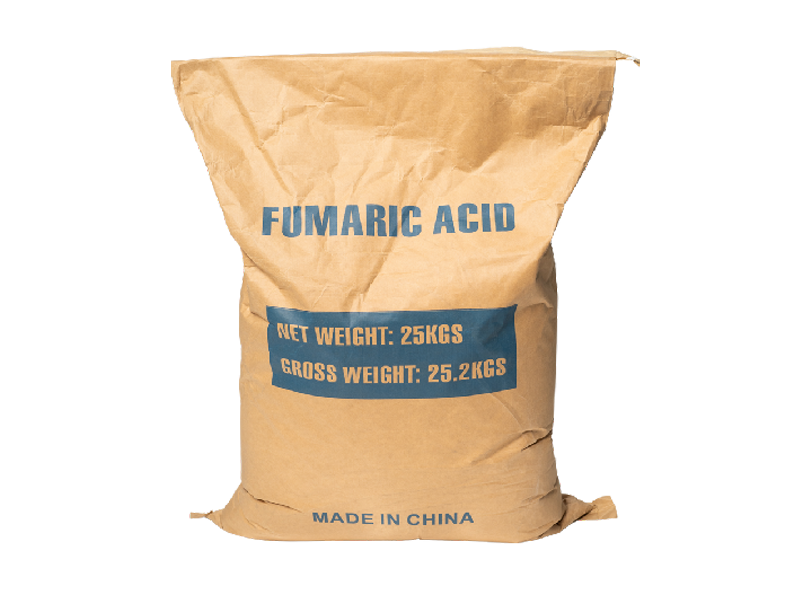
Fumaric acid is a common food acidulant in winemaking. It assists winemakers in regulating malolactic fermentation, adjusting total acidity and improving overall stability, preserving the original flavor profile of finished wine across storage and transport.
Key Takeaways
- Fumaric acid effectively regulates malolactic fermentation and maintains fresh wine flavor. As an acidulant, it increases wine acidity and lowers pH to enhance microbial stability during storage and transportation. Applied at the proper production stage, it preserves wine appearance and flavor consistency, making it a practical additive for winemaking.
Functions of Fumaric Acid in Wine

Inhibiting Malolactic Fermentation
Fumaric acid is widely used to regulate or inhibit malolactic fermentation (MLF) driven by lactic acid bacteria. It suppresses the metabolic activity of these bacteria to slow or halt the fermentation process, retaining the original flavor characteristics of wine. A dosage of 300 mg/L and above can inhibit ongoing malolactic fermentation, while 600 mg/L is effective to terminate the process completely. Its inhibitory effect is amplified in wine with lower pH and higher alcohol content, which helps retain natural malic acid and improve stability during storage and logistics.
- Inhibits malolactic fermentation by suppressing lactic acid bacteria activity
- Performs better in low-pH and high-alcohol wine environments
- Preserves consistent flavor and aroma
- Reduces spoilage risks during transportation
Suppliers such as NORBIDAR provide food-grade fumaric acid for wineries and beverage manufacturers to support stable fermentation control.
Acidification and pH Control
Acid adjustment balances wine flavor and improves microbial stability. Fumaric acid has strong acidifying capacity and excellent pH-lowering effect, which is ideal for wines made from low-acid grapes. Combined with its inhibitory effect on lactic acid bacteria, it suits most wine styles and brings minimal interference to natural wine flavor.
| Acidulant | pH Lowering Power | Inhibition of Malolactic Fermentation | Antimicrobial Properties |
|---|---|---|---|
| Fumaric Acid | Strong | Yes | Yes |
| Citric Acid | Moderate | No | Yes |
| Malic Acid | Moderate | Yes | No |
Standardized fumaric acid from NORBIDAR maintains stable purity for large-scale production and customized wine formulas. Its high acid strength allows lower usage to control costs effectively.
Wine Stability and Clarification
Fumaric acid can prevent secondary malolactic fermentation after bottling and improve long-term storage stability. The optimized acidic environment reduces the risk of microbial spoilage and helps maintain clear wine appearance to avoid post-bottling haze.
- Improves long-term storage stability
- Reduces microbial spoilage risks
- Maintains clear and bright wine appearance
It stabilizes wine properties while retaining original flavor, so it is widely adopted in winemaking. NORBIDAR supplies food-grade fumaric acid complying with international food and beverage regulations.
Using consistent, high-purity fumaric acid from suppliers such as NORBIDAR helps maintain stable wine quality in production.
Using Fumaric Acid in Wine Making

Application and Timing
Winemakers put fumaric acid in wine at different times. They might add it when the wine is first made, after alcoholic fermentation, or before bottling. Each time gives special benefits. For example, adding fumaric acid during malolactic fermentation helps stop bacteria and keeps the wine safe. Some factories use it to lower pH in wines with high pH and make the wine feel better.
Tip: Always stir fumaric acid well so it spreads everywhere in the wine.
| Stage of Wine Production | Role of Fumaric Acid | Effect |
|---|---|---|
| Malolactic Fermentation | Inhibits lactic acid bacteria | Enhances stability and controls microbes |
| General Use | Acidifier and inhibitor | Reduces pH and improves wine quality |
Dosage and Regulations
Winemakers must comply with local food and beverage regulations when adding fumaric acid. Per U.S. regulations (27 CFR 24.182, 27 CFR 24.244), the maximum permitted dosage in wine is 3 g/L. For regular production, the common practical dosage ranges from 1.25 g/L to 2.5 g/L to balance flavor and stability.
Benefits and Limitations
Compared with other common food acids, fumaric acid extends wine shelf life by optimizing pH and inhibiting undesirable microbial activity. It delivers distinct tartness and stable pH performance, and its high potency lowers overall usage cost. However, excessive addition may inhibit normal fermentation, and it features slower dissolution speed than citric acid and malic acid.
- Main benefits:
- Makes wine last longer
- Gives strong tart flavor
- Saves money for factories
- Possible limitations:
- Can slow fermentation if used too much
- Dissolves slower than citric or malic acid
Fumaric acid restrains the activity of spoilage-related microbes and maintains wine clarity and stability. Winemakers need to select proper dosage according to wine style and stability requirements, and strictly follow relevant usage regulations to guarantee consistent product quality.
FAQ
What is the main reason wineries use fumaric acid?
The primary purpose is to regulate or inhibit malolactic fermentation. Meanwhile, it adjusts wine acidity and improves stability during storage and transportation.
Is fumaric acid safe for wine production?
Yes. Fumaric acid is an approved food additive for winemaking. It is safe when applied within the dosage limits set by local food safety regulations.
Can fumaric acid change the taste of wine?
It brings a mild tart flavor to wine without producing off-notes. Proper dosage will not alter the inherent style of the wine.