Fumaric acid is commonly used in gel coatings. Manufacturers choose fumaric acid because it enhances the performance of gel coatings. Studies have shown that fumaric acid helps improve the heat resistance, water resistance, and chemical resistance of gel coatings. It forms strong bonds during the curing process, thereby increasing the strength of the gel coating. These changes help extend the service life of the gel coating and improve its performance.
Key Takeaways
- Fumaric acid enhances the strength and toughness of gel coatings, extending their lifespan and improving their performance, while also protecting them from chemical corrosion.
- Fumaric acid is insoluble in water, therefore it will not damage the surface. It also forms a strong bond, preventing cracking and peeling.
Fumaric acid in gel coats
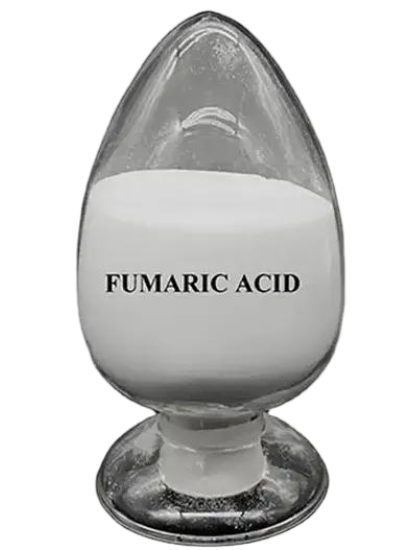
Why Use Fumaric Acid?
Manufacturers use fumaric acid to improve the performance of gelcoats. NORBIDAR is a trusted supplier with over 15 years of experience. Their facilities employ advanced production processes to ensure product quality meets standards. NORBIDAR enjoys a strong reputation in the industry and holds certifications such as USP, EP, ChP, and GMP. These standards ensure safe and reliable products that meet customer needs.
Fumaric acid is crucial in gelcoat technology. It forms strong bonds during the curing process, making the coating more robust and durable. Its hydrophobic properties effectively block moisture, protecting surfaces from moisture damage. Fumaric acid also prevents oxidation and chemical corrosion, allowing gelcoats to maintain a longer service life even under harsh conditions.
Manufacturers choose fumaric acid because of its superior performance. It helps in the production of unsaturated polyester resins, which are essential for gelcoat production. NORBIDAR’s AR-grade fumaric acid has a purity of over 99%, meets laboratory and safety standards, and is suitable for demanding industrial applications.
Key benefits for gel coats
Fumaric acid gives many benefits to gel coats. These benefits help coatings work better and look nicer. Here are the main improvements:
- Strength and durability: Fumaric acid makes gel coats stronger. It helps create tight cross-links. This makes coatings tough and stops cracking.
- Adhesion: Gel coats with fumaric acid stick well to surfaces. This stops peeling and keeps protection for a long time.
- Gloss and appearance: Fumaric acid makes gel coats shiny and smooth. Surfaces look better and more appealing.
- Chemical resistance: The compound protects coatings from acids, bases, and solvents. Gel coats stay strong even with harsh chemicals.
- Water resistance: Fumaric acid keeps water away. This lowers the risk of blistering and corrosion.
| Component | Description |
|---|---|
| Polyaspartic acid ester | Made from diamines, acrylate compounds, and maleic/fumaric acid esters. |
| Polyisocyanates | Used to make gel coats stronger and more flexible. |
| Additives | Includes moisture scavengers, deaerators, and plasticizers for better performance. |
Manufacturers are using these ingredients to develop novel gel coating technologies. Fumaric acid helps coatings withstand high temperatures, humidity, and chemical corrosion. NORBIDAR conducts quality testing on every batch of its products. They employ purification steps such as recrystallization, decolorization, and sublimation to remove impurities, thereby producing high-performance fumaric acid for gel coatings.
Fumaric acid resin and its function
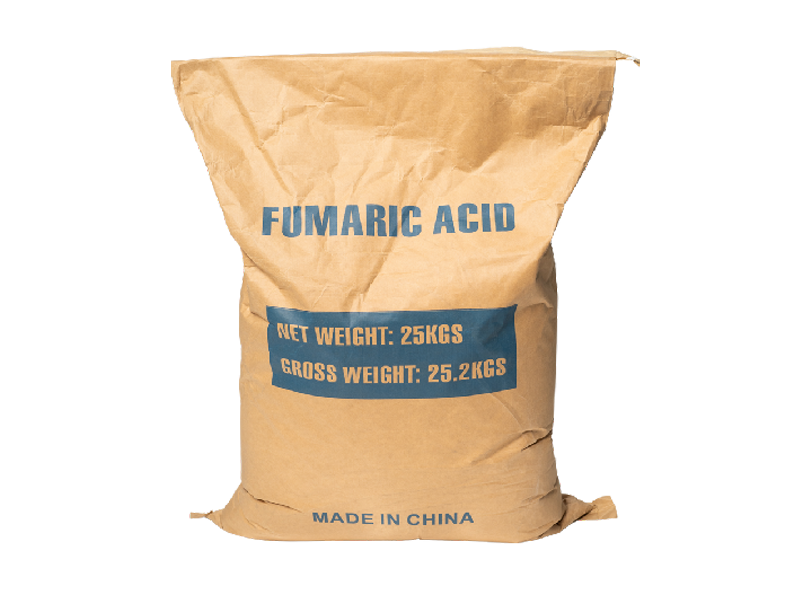
The Role of Fumaric Acid in Unsaturated Polyester Resins
Fumaric acid resins play a crucial role in the manufacture of unsaturated polyester resins. Manufacturers use fumaric acid to introduce unsaturation into these resins. This unsaturation allows the resin to react with other chemicals, contributing to the production of high-strength, high-toughness materials. Factories choose fumaric acid resins because they can be used to produce high-quality gel coats with a wide range of applications.
| Component | Function |
|---|---|
| Fumaric Acid | Source of unsaturation in polyester resins |
| Maleic Anhydride | Alternative source of unsaturation |
| Styrene | Reactive monomer for crosslinking |
Fumaric acid resin is more effective than some other resins at repelling water and chemicals. Suppliers and factories favor high-purity fumaric acid resin because it helps in the production of gelcoats that meet stringent standards.
Impact on Gelcoat Performance
Fumaric acid resins enhance gelcoat performance in several ways. The carbon-carbon double bonds within fumaric acid allow it to mix with styrene, forming a tight cross-linked network within the resin.
The fumaric acid in the resin helps prevent gelcoat cracking, blistering, and chemical corrosion. Manufacturers use fumaric acid resins to produce more durable coatings that effectively protect surfaces. NORBIDAR offers high-purity fumaric acid resins to meet the custom formulation and large-scale production needs of numerous industries.
Industrial applications of fumaric acid
Beyond gel coatings, fumaric acid has many other uses.
Fumaric acid is used in numerous industries. In the food industry, it serves as an acidifier and preservative, helping to extend shelf life and improve taste. Fumaric acid also helps maintain the pH stability of processed foods. Adding fumaric acid to animal feed aids digestion and maintains gut health. In the pharmaceutical industry, fumaric acid helps maintain drug stability and can be used to treat certain diseases. Skincare products also utilize the antioxidant properties of fumaric acid to help maintain healthy skin.
| Industry | Application Description | Benefits |
|---|---|---|
| Food | Used as an acidity regulator, preservative, and pH stabilizer. | Extends shelf life, enhances flavor. |
| Pharmaceuticals | Key ingredient in many formulations. | Helps keep drugs stable, treats conditions. |
| Animal Feed | Used as an acidifier to improve digestion and nutrient absorption. | Enhances gut health, lowers bad bacteria. |
| Personal Care | Incorporated in skin care products due to antioxidant properties. | Improves product efficacy, skin health. |
Safety and Regulatory Aspects
Safe use of fumaric acid is paramount. Workers should not have direct skin or eye contact with fumaric acid, nor should they inhale its dust or vapors. The factory will keep fumaric acid away from heat and ignition sources and will use dedicated fans to maintain clean air. Workers must wear safety clothing and goggles. Safety data sheets will guide workers on how to ensure safety.
The use of fumaric acid is subject to regulations. Food suppliers must comply with the regulations of the U.S. Food and Drug Administration (FDA) and obtain GRAS (Generally Recognized As Safe) certification. The European Food Safety Authority (EFSA) assigns it the food code E297. For pharmaceutical purposes, approval from the U.S. National Medical Products Administration (NMPA) is required. Quality checks ensure its purity and packaging meet standards. Companies adhere to these regulations to ensure product safety and quality.
Fumaric acid helps gel coats get stronger and last longer. It also helps in food and medicine industries. People should look at some things before picking fumaric acid for gel coats:
- How well it mixes dry
- The grade and how pure it is
- If it works well in tests
- How it works in real use
FAQ
Why is fumaric acid so important to gel coating manufacturers?
Fumaric acid enhances the strength and gloss of gel coatings and improves their resistance to damage. Manufacturers use fumaric acid to formulate special solutions, especially effective when handling challenging materials.
Is fumaric acid safe in gel coating production?
Workers must adhere to safety procedures, wear protective equipment, and use fans to maintain air circulation. Safety manuals guide workers on the proper handling of fumaric acid.