Fumaric acid is now found in many energy drinks. People often check labels to see if fumaric acid is safe or good. Fumaric acid makes drinks acidic and helps them stay fresh longer. Understanding fumaric acid can help people make the right choices. Everyone should consider its benefits and drawbacks.
Key Takeaways
- Fumaric acid makes energy drinks taste more acidic and extends their shelf life.
- Because it’s used in smaller quantities than other acids, it’s also cheaper. This makes it popular with many beverage companies.
- Agencies such as the U.S. Food and Drug Administration (FDA) and the European Food Safety Authority (EFSA) state that fumaric acid is safe to consume, but should not be consumed in excess.
Fumaric acid in energy drinks

Common Uses in Beverages
Fumaric acid is widely used in a variety of beverages. It helps control the acidity of beverages and extends their shelf life. Fumaric acid gives beverages a more tangy and refreshing taste, which many people enjoy. Because its acidity is higher than citric acid, it is used in smaller quantities, which helps businesses save costs.
The table below lists the components of fumaric acid and its sources:
| Aspect | Details |
|---|---|
| Chemical Formula | C4H4O4 |
| Structure | Dicarboxylic acid with two carboxyl groups (-COOH) across a carbon-carbon double bond in a trans configuration. |
| Origin | Found in bolete mushrooms, lichen, Iceland moss, papayas, pears, and plums. First isolated from Fumaria officinalis. |
Fumaric acid is found in energy drinks and other beverages. It is also frequently found in fruit juices and wines. It gives beverages a sour taste and helps ensure their safety.
Here are some ways fumaric acid is used in drinks:
- It controls how sour and acidic drinks are.
- It keeps drinks fresh for longer.
- It gives drinks a sour taste.
- It makes fruit juices and sodas taste more tart.
- It helps balance the flavor.
Fumaric Acid Content and Frequency of Use in Energy Drinks
Fumaric acid is widely used in energy drinks worldwide. Today, the number of people drinking energy drinks far exceeds previous levels, driving increased demand for fumaric acid from various companies. The energy drink industry has a huge demand for fumaric acid. Market reports indicate that energy drinks will help the fumaric acid market exceed $645 million and maintain an annual growth rate of 6.7%.
The table below lists the frequency of fumaric acid use in different energy drinks:
| Drink Type | Ingredients |
|---|---|
| Low calorie | B vitamins, dextrose, fumarate, gingko, ginseng, glucuronolactone, guarana, glucose, inositol, l-arginine, l-carnitine, milk thistle, n-acetyl-l-tyrosine, sucrose, taurine, yohimbine HCL, vinpocetine, 5-hydroxy tryptophane |
| Regular | B vitamins, dextrose, fumarate, gingko, ginseng, glucuronolactone, guarana, high-fructose corn syrup, glucose, inositol, l-arginine, l-carnitine, milk thistle, n-acetyl-l-tyrosine, sucrose, taurine, yohimbine HCL, vinpocetine, 5-hydroxy tryptophane |
| Super-caffeinated | B vitamins, dextrose, fumarate, gingko, ginseng, glucuronolactone, guarana, glucose, inositol, l-arginine, l-carnitine, milk thistle, n-acetyl-l-tyrosine, sucrose, taurine, yohimbine HCL, vinpocetine, 5-hydroxy tryptophane |
Fumarate is listed in the ingredient list of many energy drinks. Fumarate is very similar to fumaric acid. This means that fumaric acid is commonly found in both low-calorie and regular beverages. It helps maintain the stability and fresh taste of the drink.
The company chose fumaric acid for the following reasons:
- It makes drinks sour and tasty.
- It gives drinks a strong tart flavor.
- It dissolves slowly, so the sour taste lasts longer.
- Less is needed compared to other acids, so it saves money.
Nobita supplies fumaric acid to numerous beverage companies. Their products help improve the taste of beverages and ensure their safety, which is crucial for both beverage companies and consumers.
Regulations in the United States and the European Union ensure the safety of fumaric acid. In the United States, the FDA stipulates that the content of fumaric acid in food must not exceed 0.1% (by weight). The European Union has also established strict regulations to protect public safety. Beverage manufacturers must comply with these regulations.
Producing fumaric acid safely is essential. Companies employ new technologies such as bio-fermentation and bioconversion. These methods help protect the environment because they consume less energy and produce less pollution. This makes the production of fumaric acid more environmentally friendly.
Purpose and safety of fumaric acid
The Role of Acidulants and Flavor Enhancers
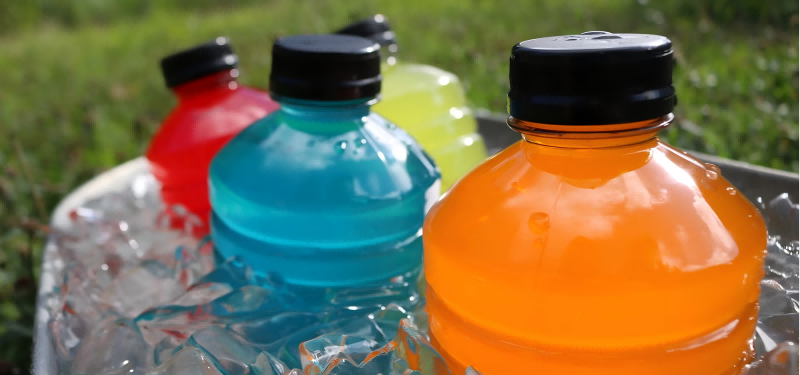
Fumaric acid plays a crucial role in beverages, especially energy drinks. Companies add fumaric acid to enhance the tartness of beverages, thereby improving their overall flavor. It helps balance the sweetness in beverages. Fumaric acid helps maintain the freshness and safety of beverages and inhibits the growth of harmful bacteria. This results in a longer shelf life and better taste. Fumaric acid also helps preserve food, improve its taste, and maintain its quality.
Comparison with Other Acidulants
Companies often compare fumaric acid to citric acid and malic acid. Fumaric acid has a stronger sour taste than citric acid. Only a small amount of fumaric acid is needed to achieve the same acidity, thus saving costs for companies. Fumaric acid does not absorb water and is heat-resistant, making it ideal for powdered and hot drinks. These properties make fumaric acid a unique ingredient widely used in various beverages.
Safety and Health Considerations
Food safety regulatory agencies have assessed the safety of fumaric acid. The following table lists the approval status of fumaric acid:
| Region | Regulatory Approval Details |
|---|---|
| United States | FDA approves fumaric acid as a food additive and GRAS (Generally Recognized as Safe). |
| European Union | EFSA recognizes fumaric acid (E 297) as safe, with ongoing re-evaluation for safety. |
| Australia/New Zealand | Approved food additive with code number 297. |
The maximum daily intake of fumarate for an individual is 10 milligrams per kilogram of body weight. For most people, consuming beverages containing fumarate is safe as long as the intake is moderate. Excessive intake can lead to health problems such as kidney or nervous system issues. Some studies suggest that fumarate esters may help reduce edema and help the body utilize sugar more effectively.
People should carefully read labels to avoid exceeding the safe intake amount. This way, it is safe to enjoy beverages containing fumarate.
Fumaric acid helps energy drinks in many ways.
- It makes drinks taste better and stay fresh longer.
- Fumaric acid helps drinks last longer and taste good.
- As more people buy energy drinks, fumaric acid is used more.
- People should look at labels and learn about fumaric acid.
| Factor | Impact on Consumers |
|---|---|
| Ingredient awareness | Lets people know the good and bad sides. |
| Company responsibility | Makes sure fumaric acid is used safely. |
FAQ
Is it safe to add fumaric acid to energy drinks?
Agencies such as the U.S. Food and Drug Administration (FDA) and the European Food Safety Authority (EFSA) have stated that fumaric acid is safe. Beverage manufacturers typically add only small amounts of fumaric acid to their drinks to help maintain freshness and ensure safety.
Why do manufacturers choose fumaric acid over other acids?
Manufacturers choose fumaric acid because it gives the beverage a very sour taste. Compared to some other acids, it also extends the shelf life of the beverage. Using fumaric acid helps manufacturers save costs.
Can people with allergies to certain substances drink energy drinks containing fumaric acid?
Most people can drink energy drinks containing fumaric acid. If someone has a health condition, they should read the label or consult a doctor first.