Fumaric acid poses little environmental hazard with proper handling, widely deemed safe for industrial use and waste disposal. Manufacturers like NORBIDAR commits to consistent top-tier quality and innovative fumaric acid product development. Sustainable sourcing and green manufacturing allow us to operate with minimal environmental impact.
Key Takeaways
- Fumaric acid decomposes rapidly in the natural environment, reducing its environmental harm and making it safer for use in food and personal care products.
- Environmentally friendly fumaric acid production methods not only consume less energy but also emit fewer greenhouse gases. Factories choosing green production methods help protect the Earth’s environment.
- Proper storage and handling of fumaric acid can prevent leaks, thus ensuring the safety of plants and animals. Businesses must adhere to safety regulations and protect the natural environment.
Environmental Risks of Fumaric Acid
Durability and Degradation
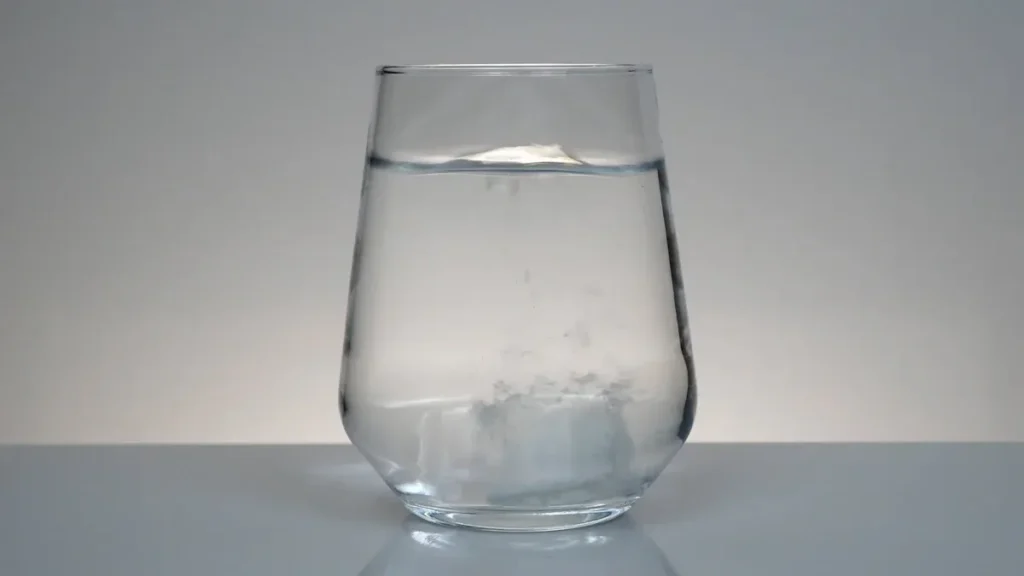
Fumaric acid does not persist in nature for long periods. Microorganisms in soil and water rapidly decompose it. This helps reduce its environmental impact. Many companies use fumaric acid in food, animal feed, and personal care products. These uses generally do not cause long-term pollution. Even if a factory emits small amounts of fumaric acid, nature will remove it after a period of time.
Toxicity to Ecosystems
Fumaric acid is not highly toxic to most plants and animals. Small amounts of fumaric acid will not harm fish, insects, or soil organisms. However, large spills can alter the pH of water bodies, making them unsafe for fish and other aquatic life. For example, if a large amount of fumaric acid spills into a river or lake, the water will become more acidic. Fish and other animals may not be able to survive in this new environment. Therefore, proper handling of fumaric acid is crucial. Plants and suppliers must adhere to safety protocols to avoid such problems.
Leakage and Pollution Risks
Fumaric acid spills can have short-term environmental impacts. If large amounts of fumaric acid seep into soil or water bodies, it will alter the surrounding environment. In water, the main problem is pH changes, which can harm aquatic animals. In soil, excessive fumaric acid can hinder plant growth. Sometimes, plants produce volatile organic compounds (VOCs) during fumaric acid production. Scientists detect fumaric acid by detecting specific ions in the air. The presence of fumaric acid usually indicates that someone is working nearby, such as in a factory.
Sustainable Production of Fumaric Acid

Traditional vs. Environmentally Friendly Methods
There are various ways to produce fumaric acid in factories. Traditional factories use chemical methods that require fossil fuels such as petroleum. These methods generate waste and pollution, damaging the natural environment. Newer, environmentally friendly methods utilize plant waste and renewable resources. Some companies use microbial fermentation, utilizing glucose from plants. This method is both resource-saving and environmentally friendly.
The table below lists the environmental impact of each method:
| Production Method | Environmental Impact |
|---|---|
| Conventional (Chemical) | Uses fossil fuels, specifically oil, which is harmful to nature. |
| Bio-based (Green Chemistry) | Utilizes renewable resources and plant waste, reducing negative environmental effects. |
| Microbial Fermentation | Employs glucose from plants, conserving resources and protecting the environment. |
Reducing Environmental Impact
Producing fumaric acid greenly means consuming less energy and reducing greenhouse gas emissions. Traditional methods consume large amounts of energy and generate more emissions. Green methods consume less energy and reduce pollution. The table below lists the differences between the two:
| Production Process | Energy Consumption | Greenhouse Gas Emissions |
|---|---|---|
| Traditional Fumaric Acid | High | Significant |
| Eco-friendly Fumaric Acid | Lower | Reduced |
The plant’s new approach includes using immobilized Rhizopus arrhizus for one-step fermentation. This method accelerates production and reduces wastewater discharge. The plant also adjusts nitrogen content and stirring speed to improve efficiency. These improvements make fumaric acid production more environmentally friendly.
The plant faces challenges such as fluctuating raw material prices, regulatory restrictions, and high costs. Supply of raw materials like benzene and butane is sometimes tight. Companies must keep pace with market changes and comply with environmental regulations. Many plants now use chemical catalysis and renewable feedstocks to address these issues.
The main reasons for adopting green production methods are: a shift towards bio-based products, a search for new production methods, and a growing desire for environmentally friendly products. People are seeking clearly labeled products and natural ingredients. The increasing popularity of vegan and plant-based foods is driving this demand. Factories are meeting this demand by producing fumaric acid using green methods.
Fumaric acid is not very risky for nature if used right. Factories can make it safer by using green ways to make it. The table below shows important facts about fumaric acid’s effects:
| Finding | Result |
|---|---|
| Methane reduction in ruminants | Big drop |
| Effect on water and soil | Low risk |
| Energy use in green production | Less used |
Makers should keep fumaric acid in safe places and throw it away the right way. Picking suppliers who care about the earth, like NORBIDAR, helps keep nature safe and makes sure products are good. Fumaric acid is still a safe pick for many businesses.
FAQ
What happens if fumaric acid spills into water?
If a large amount of fumaric acid spills into water, the pH level will drop. This can harm fish and other aquatic animals. Plants and suppliers need to take safety precautions to prevent this from happening.
Can manufacturers safely dispose of fumaric acid?
Yes. Manufacturers can mix fumaric acid with alkali before discarding it. This protects soil and water bodies from contamination.
Is fumaric acid safe to use in animal feed?
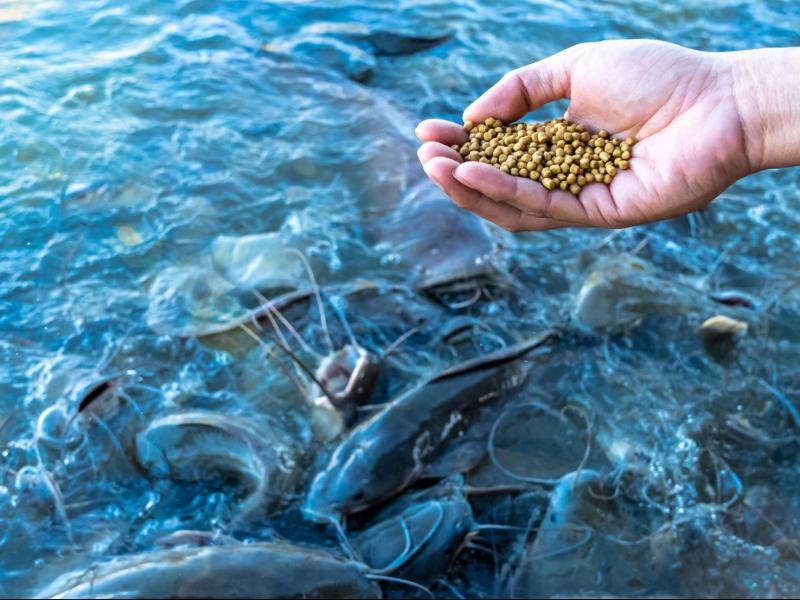
Fumaric acid helps animals stay healthy and grow better. Suppliers add it to feed to reduce methane emissions and promote healthy animal growth.