
Fumaric acid remains stable upon heating, which helps ensure the safety and effectiveness of products during the manufacturing process. NORBIDAR produces high-quality fumaric acid widely used in food, animal nutrition, industrial, and personal care industries.
Key Takeaways
- Fumaric acid remains stable upon heating, making it safe for use in food and industrial applications. With a melting point of 287°C, it withstands high temperatures without decomposing, thus extending product shelf life. Using stable ingredients like fumaric acid helps maintain food flavor and prolong its freshness. Fumaric acid also plays an important role in animal nutrition and contributes to improving the performance of industrial materials.
Fumaric Acid Stability Explained
What is thermal stability?
Thermal stability refers to the behavior of a substance when heated. Scientists use this term to indicate whether a compound remains unchanged or changes when heated. If an organic acid is thermally stable, it will remain solid and not easily decompose. The table below lists fumaric acid and maleic acid, both of which are organic acids:
| Acid | Configuration | Melting Point (°C) | Notes on Decomposition |
|---|---|---|---|
| Maleic | Cis (Z) | 130.5–132.5 | Changes to fumaric acid after melting |
| Fumaric | Trans (E) | 287 (decomposes) | Turns into gas at about 200°C; stays stable at high heat |
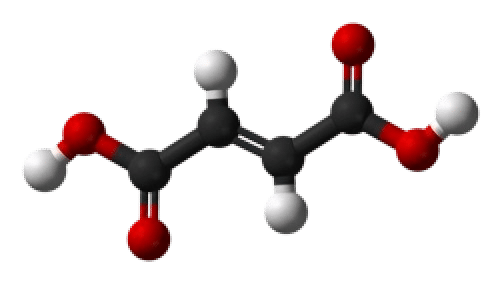
Fumaric acid is stable due to its trans configuration and strong double bonds. This structure gives it a high melting point and makes it difficult to decompose by heat. Scientists use testing methods such as the Rock-Eval pyrolysis method and X-ray absorption spectroscopy to determine the stability of these compounds.
Why Stability is Crucial
Stability is essential for safety and quality. Fumaric acid remains stable at room temperature and only begins to decompose at 230°C. It does not react with air or light and has a slow oxidation rate. These properties make it safe for use in factories. Products with good thermal stability have longer shelf lives and better performance. For example, in the food and animal nutrition industries, stable ingredients help maintain product flavor and extend shelf life. In industrial applications, fumaric acid helps coatings and plastics maintain strength even under heated conditions. Manufacturers use stable compounds to ensure worker safety and ensure products consistently maintain good quality.
Fumaric Acid Thermal Analysis Evidence
Melting Point and Decomposition
Scientists determine a compound’s heat resistance by testing its melting point. Fumaric acid has a much higher melting point than maleic acid. This means that fumaric acid can withstand higher temperatures before undergoing changes.
Fumaric acid begins to decompose between 230°C and 350°C, and completely decomposes at approximately 280°C. Maleic anhydride is formed during decomposition. This process occurs after fumaric acid loses water above 213°C.
Thermogravimetric-Differential Scanning Calorimetry (TG-DSC) Results
TG-DSC tests help scientists understand the behavior of fumaric acid when heated. These tests show that fumaric acid remains stable within a certain temperature range and reveal its decomposition products. TG-DSC helps researchers observe the thermal response of fumaric acid.
Influence of Crystal Structure
The arrangement of fumaric acid molecules affects its heat resistance. Fumaric acid diester resin has a rod-like crystal structure with very little curvature. This shape results in minimal molecular movement during heating. Therefore, the resin remains stable at high temperatures. The molecular arrangement contributes to the high-temperature resistance of fumaric acid.
Comparing Fumaric Acid and Maleic Acid
Structural Differences
Fumaric acid and maleic acid have the same molecular formula, but their structures differ. Fumaric acid is in the trans configuration, while maleic acid is in the cis configuration. In fumaric acid, atoms are arranged opposite each other; in maleic acid, atoms are arranged adjacent to each other. This structural difference affects the properties of the molecule.
| Compound | Configuration | Shape |
|---|---|---|
| Fumaric Acid | Trans | Straight |
| Maleic Acid | Cis | Bent |
Stability Comparison
The shape of each acid affects its stability. Fumaric acid is more stable because its straight shape forms strong bonds. Maleic acid, with its curved shape, decomposes more quickly upon heating.
Fumaric acid remains solid at higher temperatures. Maleic acid melts and changes at lower temperatures. This makes fumaric acid a better choice for products requiring durability and safety upon heating.
Fumaric Acid Practical Implications
Food and Beverage Uses
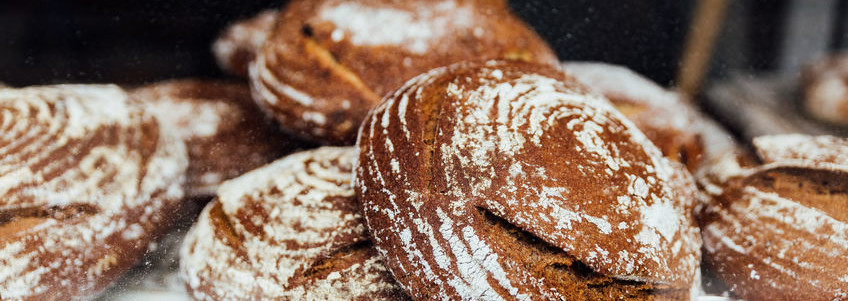
NORBIDAR’s fumaric acid plays a vital role in food and beverages. Its extremely high melting point, between 286 and 302°C, indicates excellent heat resistance. It is suitable for baking and pasteurization processes. Food manufacturers use it as an acidifier and preservative, helping to maintain the freshness of food flavor and extend shelf life. Fumaric acid is not easily decomposed, meaning products can remain safe and delicious for a longer period.
Animal Nutrition Benefits
Fumaric acid offers numerous nutritional benefits for animals. Its thermal stability allows it to remain active during feed processing and storage. Some of these benefits include:It works well at high temperatures.
- It does not break down during storage.
- It helps animals perform better and supports gut health.
- It acts as a preservative and makes feed last longer.
Farmers and feed makers trust NORBIDAR’s product for good quality and results.
Industrial Applications
The industrial sector utilizes fumaric acid to manufacture high-strength materials. Its excellent thermal properties help improve the performance of synthetic resins and coatings. The table below illustrates how its stability contributes to industrial products:
| Aspect | Impact |
|---|---|
| Mechanical Strength | Makes materials tough and strong for many uses. |
| Thermal Stability | Lets products work in hot places. |
| Environmental Resistance | Slows down damage in wet or harsh conditions. |
| Structural Stability | Helps materials stay strong and last longer. |
Personal Care and Pharmaceuticals
The stability of fumaric acid is useful in personal care and medical applications. It helps maintain its shape during manufacturing and storage. This protects the main ingredients. The table below shows its function:
| Evidence Description | Role in Formulations |
|---|---|
| High melting point and resistance | Keeps products stable and effective. |
| Helps maintain pH | Stops active ingredients from breaking down. |
| Enhances absorption of medicine | Helps medicine work faster in the body. |
| Acts as a lubricant | Stops tablets from sticking during production. |
| Excellent thermal stability | Helps products last longer and resist heat. |
Fumaric acid does not change when heated. It keeps its shape up to 277°C. Its special shape and strong bonds stop it from breaking down. Using stable ingredients makes products last longer. It also keeps food tasting good.
| Application | Benefit |
|---|---|
| Food & Feed | Keeps flavor, improves shelf life |
| Pharmaceuticals | Meets quality standards, stays effective |
FAQ
At what temperature does fumaric acid begin to decompose?
Fumaric acid begins to decompose at approximately 230°C. It remains stable at room temperature.
Is NORBIDAR’s fumaric acid safe for use in food?
Yes, NORBIDAR’s fumaric acid is safe for use in food. It meets food safety standards. It helps maintain food flavor and extends shelf life.
Why does industry choose fumaric acid for high-temperature processes?
Industry chooses fumaric acid because of its excellent heat resistance. Its robust structure ensures product safety during production.