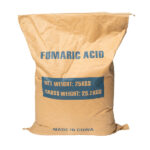
Whether fumaric acid meets halal standards depends on its source and production process. Most fumaric acid on the market is plant-based or laboratory-synthesized, and therefore usually halal. If you are concerned about the halal compliance of your fumaric acid, always check the product label for the halal certification before consuming it. This will ensure you avoid ingesting fumaric acid that does not meet halal standards.
Key Takeaways
- If fumaric acid is plant-based or laboratory-synthesized, it usually meets halal standards. Always check the product label for the halal certification.
- The production process of fumaric acid is crucial. To maintain its halal properties, it should not come into contact with substances that do not meet halal standards during production.
- Cross-contamination can cause fumaric acid to fail to meet halal standards. Choose products from companies with clean and hygienic factories.
- Halal certification means that fumaric acid complies with Islamic food regulations. For peace of mind, always choose products with the halal symbol.
- Fumaric acid has wide applications in the food and industrial sectors. Understanding its sources helps people make healthier dietary choices.
What Decides If Fumaric Acid Is Halal or Haram
Raw Material Sources
Regarding whether fumaric acid meets halal or non-halal standards, we must first address its source. Sharia law experts point out that the source is crucial for halal certification of fumaric acid. There are two main methods for producing fumaric acid. One is chemical synthesis, which uses petroleum products and a catalyst to convert maleic acid into fumaric acid. The other is microbial fermentation, which utilizes plant sugars and fungi (such as Rhizopus) to produce fumaric acid. Neither method uses animal-derived raw materials. This is very important for both halal and kosher diets.
| Method | Description |
|---|---|
| Chemical Synthesis | Made from petroleum products by changing maleic acid with a catalyst. |
| Microbial Fermentation | Uses plant sugars and fungi, especially Rhizopus species, to make fumaric acid. |
Production Process
The production method of fumaric acid also determines whether it meets halal standards. Islamic dietary law stipulates that food must not come into contact with any non-halal ingredients during the production process. Fumaric acid is produced through the conversion of maleic acid or fermentation. These methods do not use animal ingredients and comply with Islamic dietary law. Experts recommend that businesses obtain halal certification from an authoritative body to prove that their production process meets halal standards. NORBIDAR uses new technologies to produce pure, high-quality fumaric acid.
Contamination Risk
Contamination risk is another factor determining whether a product meets halal standards. Factories sometimes produce halal and non-halal foods in the same location. If equipment is not thoroughly cleaned, cross-contamination can occur. Experts recommend that businesses must clean thoroughly to prevent contamination. For a halal diet, even products containing trace amounts of non-halal ingredients are forbidden. Consumers should check the halal certification on the label to ensure that the fumaric acid they purchase complies with halal and kosher regulations.
When is fumaric acid considered halal or non-halal?
Halal Certification Requirements
Fumaric acid is classified as a halal product if it meets specific criteria. Islamic scholars and halal certification bodies examine its origin and production methods to ensure that the product does not contain any prohibited ingredients. Most fumaric acid sold on the market comes from factories or laboratories, and these sources generally meet the requirements of a halal diet.
The following table lists the main criteria for halal certification:
| Condition | Description |
|---|---|
| Source | Must come from halal sources like plants, minerals, or synthetics. |
| Manufacturing Process | Should not use haram ingredients such as alcohol or animal fat. |
| Scholarly Review | Islamic scholars check the production methods for halal status. |
If a company follows these rules, its products are halal. Many halal organizations consider fumaric acid (E297) halal. This means it is safe to use it in food and beverages.
Potential Failures to Meet Halal Standards
Sometimes, people ask whether fumaric acid is halal or non-halal. The answer depends on its production method. If its origin is unknown or it uses non-halal ingredients, it may not meet halal standards. For example, if the factory uses animal fat or alcohol, it does not meet halal dietary requirements.
The table below lists situations where fumaric acid may not meet halal standards:
| Condition | Description |
|---|---|
| Non-halal Source | Comes from animals or other haram sources. |
| Cross-Contamination | Made in a place where haram items are also processed. |
| No Certification | Lacks a clear halal certification or label. |
Consumers should check the label and consult the manufacturer if in doubt. This helps avoid purchasing non-halal products. NORBIDAR ensures the safety of its fumaric acid sources and adheres to strict regulations, so consumers can trust its quality.
Halal Certification for Fumaric Acid
The Significance of Halal Certification
Halal certification means that food complies with Islamic dietary rules. For fumaric acid, this means it contains no prohibited ingredients. The entire process is inspected from start to finish. A halal certificate indicates that no pork products or alcohol were used in the production process. Inspectors also check the cleanliness and safety of the equipment, ensuring it is free from contamination with prohibited substances. Halal-certified food gives people peace of mind when consuming it.
Companies like NORBIDAR use only plant- or synthetically derived fumaric acid. They keep their machines clean and strictly adhere to regulations. They also regularly update their halal certificates. This helps consumers trust that the food is safe and reliable.
| Key Points | Details |
|---|---|
| Pig Products | No pig products are used in the manufacturing process. |
| Haraam Ingredients | No haraam ingredients, including alcohol, are used. |
How to Verify Halal Status
People can check if fumaric acid is halal by doing a few things. These steps help make sure the food is right for their diet.
- Look for a halal logo on the package.
- If there is no logo, ask the company for more information.
- Ask where the raw materials come from.
- Ask for proof that the machines are cleaned well.
- Get reports that show the food is good quality.
- Check for papers from outside inspectors.
- Make sure you can ask questions about halal certificates.
NORBIDAR provides clear and concise answers regarding its halal certification. They share the latest certification information and are dedicated to assisting all customers. Their team is committed to ensuring food safety and high quality, giving people peace of mind when consuming halal food.
Common Uses of Fumaric Acid in Food and Industry
Food and Beverage Applications
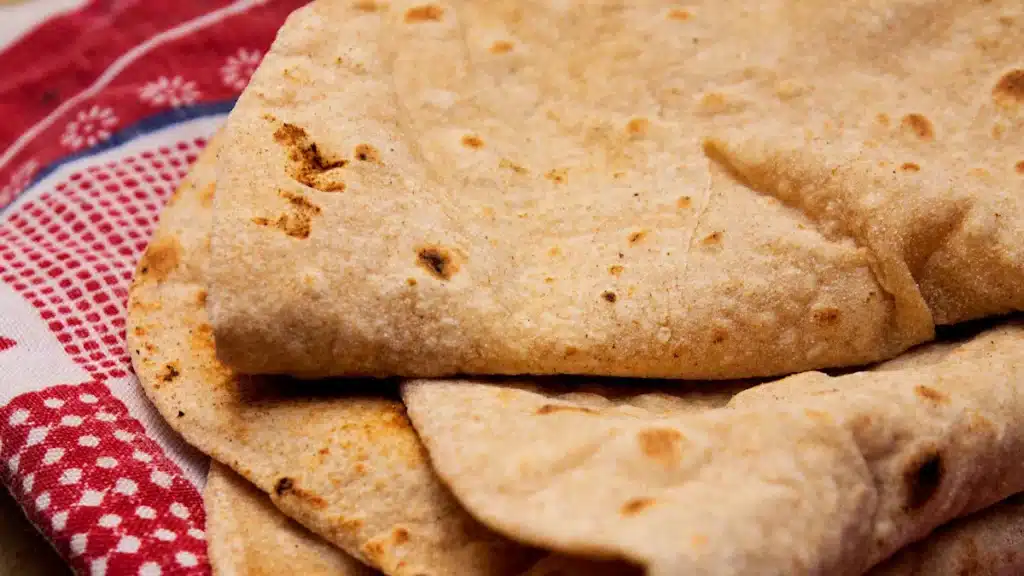
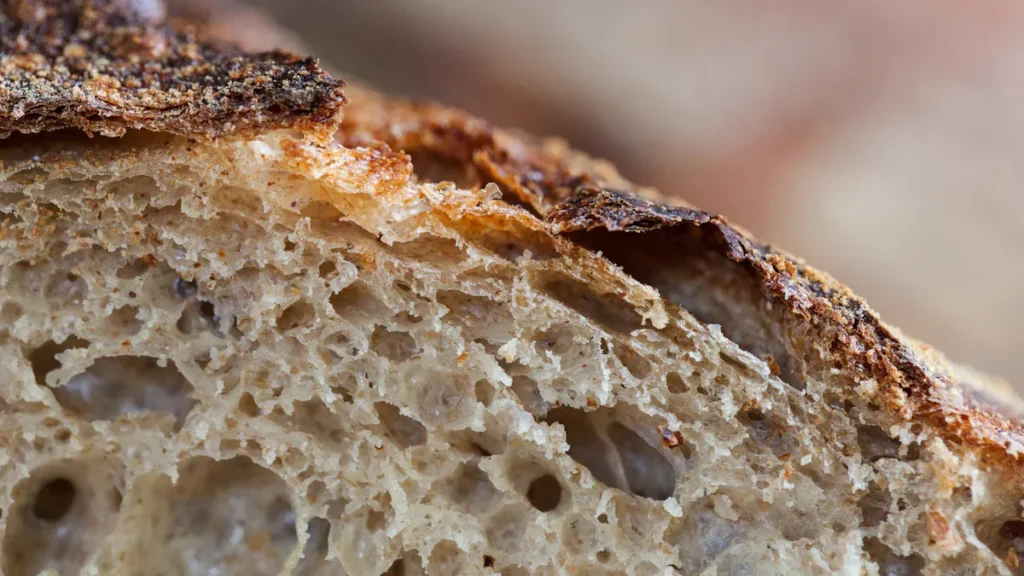
Fumaric acid in food has a wide range of applications. It imparts a sour taste to food and extends its shelf life. It is found in tortillas made from wheat or corn. It is also found in sourdough bread and rye bread. Fumaric acid is added to refrigerated cookie dough. It is also found in fruit juices and some healthy beverages. It is commonly found in gelatin desserts and pie fillings. Fumaric acid is also found in wine and gelling agents. It is also found in candy, ready-to-eat foods, and instant beverage powders. It is also found in dairy products such as yogurt and cheese. Fumaric acid is used in sausages and other cured meats. It is also found in jams, jellies, and sauces.
- Wheat and maize tortillas
- Sourdough and rye bread
- Fruit juices and soft drinks
- Baked goods and pastries
- Candy and sweets
- Dairy products (yogurt, cheese)
- Cured meats (sausages)
- Jams, jellies, sauces
Animal Feed, Personal Care, and Pharmaceuticals
Fumaric acid is used not only in food but also in animal feed, personal care, and pharmaceuticals. In animal feed, it is used as a feed acidifier to help animals digest food and absorb more nutrients. Farmers use it in feed for chickens, pigs, and fish to promote their growth and health. Halal consumers should check the source and processing of animal feed when purchasing it. Some organizations point out that sodium fumarate may not meet halal standards if its source is unclear.
| Industry | Application Description |
|---|---|
| Animal Feed | Used as a feed acidifier to improve gut health and nutrient absorption. |
| Personal Care | Functions as a pH adjuster for product stability in skincare. |
| Pharmaceuticals | Acts as an excipient in drug formulations, especially for psoriasis and MS. |
In personal care, fumaric acid helps balance the pH of skincare products. In the pharmaceutical industry, it is used to manufacture drugs for treating psoriasis and multiple sclerosis.
Industrial Applications
Fumaric acid also plays an important role in industry. It helps in the manufacture of alkyd resins used in paints and coatings. These resins protect surfaces and provide durability. Fumaric acid is also used in the production of unsaturated polyester resins. These resins are essential raw materials for construction and automotive parts. The pharmaceutical industry also uses fumaric acid to produce drugs.
| Application Type | Description |
|---|---|
| Alkyd Resins | Used in paints and coatings as film-forming agents. |
| Unsaturated Polyester Resins | Important for composite materials in construction and automotive sectors. |
| Pharmaceuticals | Used in medication formulation and as an excipient. |
Fumaric acid has applications in the food, animal feed, and industrial sectors. Halal consumers should always check whether a product is certified. This is especially important for food and animal products.
Understanding the source of fumaric acid and its certification helps consumers make safe choices. Most fumaric acid products, such as NORBIDAR, are synthesized from plants or in a laboratory. This means they are generally halal. However, checking is still very important. Consumers should check whether a product is halal certified and, if unsure, consult a reputable company. The table below lists the things to check when choosing fumaric acid:
| Attribute | Details |
|---|---|
| Certification | Halal, Kosher, Passover |
| Dietary Suitability | Vegetarian, Vegan, Non-GM |
FAQ
Is fumaric acid always halal?
Most fumaric acid is plant-based or lab-grown, and therefore is usually halal. Consumers should check the label for the halal symbol to ensure it meets halal standards.
Can vegetarians and vegans use fumaric acid?
Yes. Most fumaric acid is not derived from animals, so it is suitable for vegetarians and vegans. Always check the label to confirm.
Does NORBIDAR’s fumaric acid have halal certification?
NORBIDAR provides halal certification for its fumaric acid products. Consumers can request these certificates or check the packaging for the halal symbol.
In which foods can people find fumaric acid?
Fumaric acid is found in baked goods, confectionery, beverages, and dairy products. It helps improve the taste of food and extends its shelf life. Consumers should check the ingredient list for E297 or fumaric acid.
What should I do if I’m unsure about the halal status of a food product?
If you are unsure, contact the company or check the packaging for the halal symbol. Well-known brands like NORBIDAR will answer your questions and provide proof of their halal certification.