Pure fumaric acid helps ensure the safety of food, pharmaceuticals, animal nutrition, and industry. Impurities in fumaric acid can violate regulations and lower product quality. Nobida ensures extremely high purity fumaric acid. They employ specialized detection methods such as loss on drying, titration, melting point analysis, Fourier transform infrared spectroscopy (FTIR), and high-performance liquid chromatography (HPLC).
Key Takeaways
- NORBIDAR uses special tests like HPLC and FTIR to check fumaric acid purity. This is very important for safety in food and medicine.
- Proper sample preparation is key to ensuring accurate test results. It avoids errors and contributes to obtaining accurate results.
- Regular quality testing helps maintain high standards. This ensures that every batch of fumaric acid is safe, reliable, and compliant with relevant regulations.
Fumaric Acid Analysis Methods

Factories and distributors use different methods to test the purity of fumaric acid. These tests ensure the product is safe for food, pharmaceuticals, animal feed, and industrial use.
Loss on Drying Method
The loss on drying method detects the amount of moisture and other substances lost from a sample. This method is used to determine the water content of fumaric acid. The laboratory places the sample in an oven and heats it, weighing it before and after heating. The weight change indicates the amount of moisture lost. The water content of fumaric acid should be less than 0.5%. Excessive moisture will cause the product to deteriorate more quickly.
Acidity Titration
Acidity titration is a simple and economical method for detecting fumaric acid. This method involves mixing fumaric acid with a liquid and then adding sodium hydroxide. The sodium hydroxide reacts with the fumaric acid, and a color change in the solution indicates the completion of the test. This method can determine the fumaric acid content in a sample. Due to its rapid results, it is widely used. However, impurities can affect the accuracy of the test results, so factories often use other detection methods.
Melting Point Analysis
Melting point analysis is used to determine the purity of fumaric acid. The melting point of pure fumaric acid is approximately 287 °C. If the melting point is lower, such as 280 °C, it may contain impurities. Laboratories use specialized instruments to measure the melting point. The melting point can indicate the presence of moisture or other problems in the sample. Factories use this test to ensure the quality of the fumaric acid they produce.
Fourier Transform Infrared Spectroscopy (FTIR)
Fourier Transform Infrared Spectroscopy (FTIR) is a rapid and safe method for detecting fumaric acid. Fourier transform infrared spectroscopy (FTIR) utilizes the unique absorption spectrum of fumaric acid to detect it. This detection method can identify impurities such as maleic acid by looking for absorption peaks near 1700 cm⁻¹. The carbonyl absorption peak at 1685 cm⁻¹ can reflect the purity of fumaric acid. Factories commonly use FTIR to inspect powders, resins, and raw materials.
| Characteristic | Description |
|---|---|
| Impurity Identification | FTIR finds maleic acid by a peak near 1700 cm⁻¹. |
| Purity Assessment | Carbonyl peak at 1685 cm⁻¹ shows fumaric acid purity. |
High-Performance Liquid Chromatography (HPLC)
HPLC is a highly accurate method for the detection of fumaric acid. HPLC separates fumaric acid from other substances in a sample. This method uses a chromatographic column and mobile phase to propel the sample through. It detects the sample at specific wavelengths, such as ultraviolet wavelengths of 230 nm or 205 nm. HPLC can accurately determine the purity of fumaric acid. Factories and distributors use HPLC to test raw materials and finished products.
| Column | Separation Modes | Column Dimensions | Mobile Phase | Detection | Sample | Injection | Flow Rate |
|---|---|---|---|---|---|---|---|
| Coresep SB | reversed-phase, anion-exchange | 3.2 x 100 mm, 2.7 um, 90A | 50% ACN with 50 mM sodium phosphate (monobasic) pH 3 | UV 230 nm | 0.3 mg/ml | 3 uL | 0.5 ml/min |
| Amaze HA | reversed-phase, anion-exchange | 4.6 x 100 mm, 3 um, 100A | A: 2% ACN with 40 mM ammonium phosphate pH 4.0 B: 20% ACN with 100 mM ammonium phosphate pH 2.0 gradient from 100% A to 100% B in 15 minutes, 5 minutes hold | 205 nm | 0.2-0.5 mg/ml | 2 uL | 1 ml/min |
Fumaric Acid Sampling and Quality Control
Sample Preparation Procedure
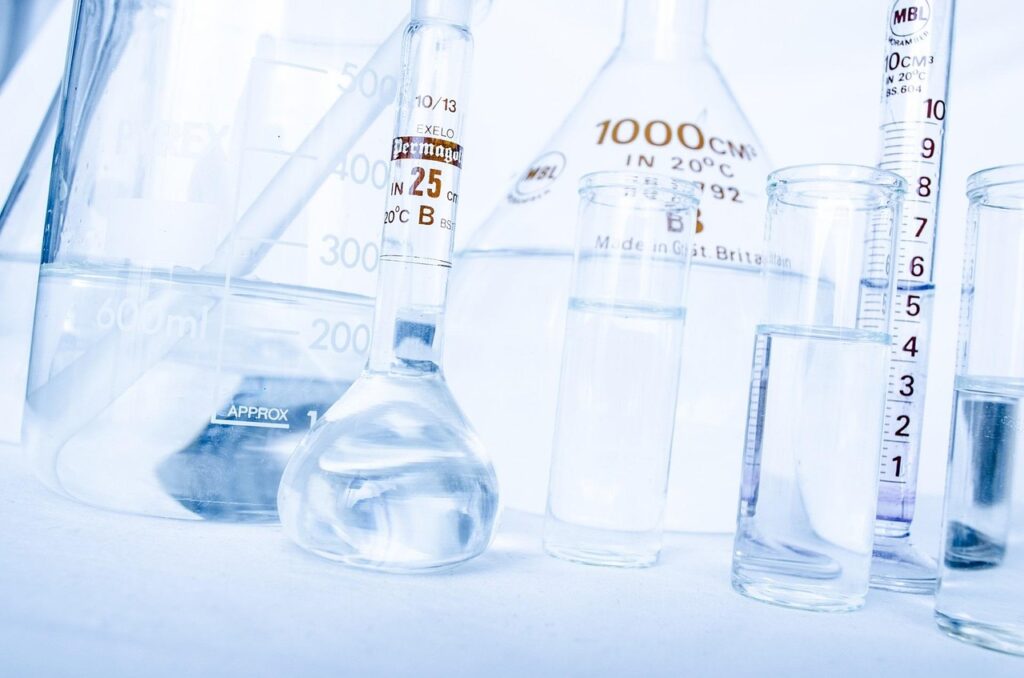
Sampling is crucial for determining the purity of fumaric acid. Staff extract a small sample from the large batch of product to ensure it reflects the properties of the entire batch. Proper sampling helps avoid detection errors.
To prepare the sample, staff dissolve the fumaric acid in an aqueous alcohol solution or methanol. This helps the sample mix and react thoroughly during the testing process. They may filter the sample to remove dust or large particles. Some laboratories use ultrafiltration to remove large molecules. This step improves the accuracy of the test.
The table below lists the consequences of improper sample preparation:
| Factor | Impact on Analysis |
|---|---|
| Residual Macromolecules | Makes NMR baselines wide, so accuracy goes down |
| CPMG Pulse Sequence | Causes phase changes and weaker signals because of T2 relaxation |
| Ultrafiltration | Removes big molecules well, so accuracy of measuring metabolites goes up |
Results Verification
NORBIDAR performs rigorous quality control on every fumaric acid sample. Their team follows the rules for each test. They compare the sample results with high-purity standards. If the sample meets the standards, the batch is considered合格 (qualified). If not, the team will conduct retesting and verification.
The table below shows how NORBIDAR keeps quality high:
| Method | Description |
|---|---|
| Quality Control | Strict steps are used to make sure purity is high. |
| AR Grade Fumaric Acid | Has more than 99% purity, good for labs and safety rules. |
| Purification Methods | Uses recrystallization, decolorization, and sublimation to remove impurities. |
Reliable tests like HPLC, FTIR, titration, and melting point help check fumaric acid purity. NORBIDAR uses new tools to make sure their tests are correct. Their process takes out impurities and checks each batch. Careful sampling and strong quality control keep fumaric acid safe for food, medicine, and industry.
FAQ
How does NORBIDAR ensure high purity in fumaric acid?
NORBIDAR uses special tools like HPLC and FTIR. They also use strong quality checks. Their team tests each batch for safety and purity.
Why is the purity of fumaric acid so important in the food and pharmaceutical industries?
High purity ensures the safety of food and pharmaceuticals, prevents adverse reactions, complies with health regulations, and helps maintain high product quality.
What is the most accurate method for testing the purity of fumaric acid?
High Performance Liquid Chromatography (HPLC) provides the best results. It can separate fumaric acid from other substances and even detect trace impurities.