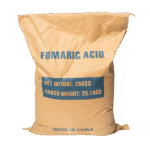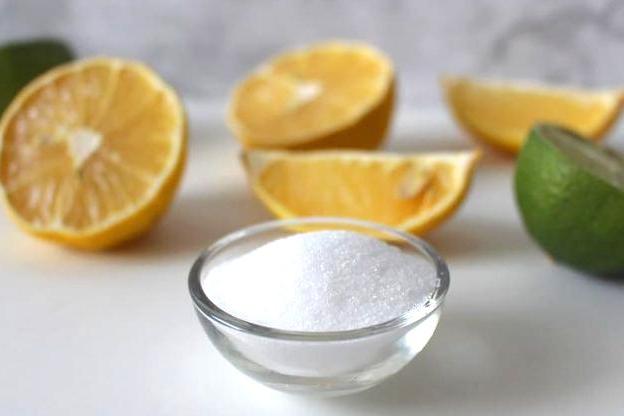
Fumaric acid has a much more intense sour taste than citric acid, whereas citric acid dissolves very rapidly in water. Food manufacturers must consider factors such as cost and usage limits; NORBIDAR CWS fumaric acid helps address these issues. Selecting the most suitable food additive yields excellent results, and purchasers choose the appropriate acidulant based on the specific requirements of the food product.
Key Takeaways
- Fumaric acid tastes much more sour than citric acid.
- It also costs less money to use.
- Citric acid dissolves fast in cold drinks.
- It gives a quick fruit taste.
- Fumaric acid keeps water away from dry food.
- It helps powders stay smooth and fresh.
Fumaric Acid vs Citric Acid: Key Properties
Sourness Strength and Flavor Release
Fumaric acid tastes much sourer than citric acid. You use less fumaric acid to match citric acid. Just 0.91 g equals 1.36 g citric acid. So, 66.91 g replaces 100.00 g citric acid. This saves factories a lot of money.
These two acids taste very different to people:
| Acid Type | Flavor Onset & Timing | Sensory Profile Characteristics | Lingering Duration |
|---|---|---|---|
| Citric Acid | Quick fast burst | Bright citrus tart taste | Short taste effect |
| Fumaric Acid | Slow late release | Strong lasting sour taste | Long taste effect |
Drink makers use citric acid for quick tart flavor. That sharp taste disappears very fast. Fumaric acid dissolves slowly in liquids. It makes fruit flavors last much longer in foods.
Solubility and Dissolution Rate
Solubility reflects the characteristics of an acid’s dissolution in a liquid. Citric acid dissolves rapidly in cold water, whereas standard fumaric acid has poor cold-water solubility: less than 0.1 g dissolves in cold liquid, and approximately 0.6–0.7 g dissolves at room temperature. However, it dissolves well in hot water. Heating tests indicate that fumaric acid sublimes at temperatures above 200°C; it has a melting point of 286–287°C, followed by decomposition. Citric acid does not easily catch fire, whereas formulated fumaric acid is potentially flammable.
| Attribute | Standard / Hot Water-Soluble (HWS) | Cold Water-Soluble (CWS) |
|---|---|---|
| Particle Structure | Normal grain size | Small grains with quick-mix shape |
| Cold Water Solubility | Low mix rate (< 0.1 g / 100 mL cold) | Made to mix fast in cold water |
| Dissolution Speed | Slow mixing speed | Mixes 60% to 65% faster in cold water |
New methods fix cold water mixing problems. NORBIDAR makes smart CWS and HWS types. The CWS style uses tiny instant particles. It mixes 60% to 65% faster in cold water. Makers save time without heating liquid mixes.
Hygroscopicity and Stability
Water changes how dry powders work. Citric acid pulls water from humid air. This causes annoying powder lumps. Fumaric acid stays very dry and smooth.
- Humidity Resistance: Fumaric acid keeps dry powders flowing easily.
- Flavor Protection: Steady pH levels protect delicate food smells.
Low water absorption helps during storage. Dry mix factories get better product quality. Technicians add fumaric acid to drink powders. They also use it in gelatins. It keeps food fresh for a long time. Plants use it to stop early package reactions. Thus, foods stay good on store shelves.
Fumaric Acid vs Citric Acid: Industry Applications
Food and Baking Applications
Fumaric acid offers significant benefits for baked goods. Food manufacturers use it to strengthen dough, making it easier to shape. It maintains a stable, low pH, effectively inhibiting mold growth and ensuring the safety of stored food products. Citric acid, meanwhile, imparts a rapid tartness to foods and helps extend the shelf life of dried products.
Animal Nutrition and Gut Health
Today, both ingredients are widely used in livestock feed. Acid blends promote growth in pigs; the acidic components reduce harmful bacteria in the animals’ bodies without harming beneficial gut flora. Furthermore, such feed reduces gas emissions from farm animals; cattle show a significant reduction in gas production after consuming feed containing these acids—with even more dramatic reductions seen in smaller livestock—and increasing the acid dosage can further lower emissions.
Pharmaceuticals and Personal Care
Manufacturers incorporate citric acid into dietary supplement tablets and skincare lotions. Fumaric acid offers unique health benefits, such as protecting brain function and boosting immunity, while also helping to soften the skin in beauty products. Citric acid allows for rapid pH adjustment in liquids, whereas fumaric acid helps maintain the structural integrity of solid tablets.
Resins and Industrial Coatings
Industrial facilities utilize these organic substances in specific manufacturing processes. Fumaric acid is used to produce high-strength plastics with excellent heat resistance (in contrast, citric acid cannot withstand extreme thermal or chemical environments). It also enhances the properties of plastics, glass, and paints, enabling manufacturers to achieve superior product performance through the addition of these chemicals.
Selection Guide Fumaric Acid vs Citric Acid:
Moisture and Process Conditions
Factory rooms get very humid during work. Engineers check air moisture before choosing materials. Citric acid absorbs water fast in damp rooms. This makes hard powder lumps during storage. Fumaric acid stays dry and hates water.
Choosing factory acids needs clear checks:
- Moisture Absorption Resistance: Fumaric acid hates water and stays dry, but citric acid absorbs wet air easily.
- Physical Stability: Fumaric acid stops powder lumps in damp air, unlike citric acid.
- Texture Maintenance: Fumaric acid keeps product texture smooth over time because it rejects water.
Plant managers protect food with these facts. Steady texture gives food makers clear wins.
Application Decision Matrix
Makers test key rules for factory goals. Liquid items need fast mixing speeds. Dry mixes need steady acid levels. High acid strength lowers total ingredient needs.
| Decision Criterion | Fumaric Acid | Citric Acid |
|---|---|---|
| Solubility Demands | Low mix rate; best for dry foods and puddings | Fast mix rate; best for drinks and syrups |
| pH Targets & Acid Strength | High sour strength; uses small amounts for steady low pH | Low sour strength; needs larger amounts for target pH |
Each organic acid helps food plants well. Drink powder makers save money using strong acid. Bakeries use fumaric acid for dough control. Drink plants pick citric acid for instant mixing. Managers select ingredients for specific plant jobs.
Makers pick citric acid for ready drinks. It dissolves fast in liquids. Buyers choose fumaric acid for powders. They use it in baked foods. It works well in animal feed. New CWS types give high sourness. They offer strong benefits for liquids. Good choices improve product stability. They boost food taste and profits.
FAQ
How does the acidity of fumaric acid compare to that of citric acid?
Fumaric acid is significantly more acidic than citric acid. Manufacturers can easily substitute fumaric acid for citric acid: just 66.91 grams of fumaric acid can replace 100.00 grams of citric acid while maintaining the food’s original tartness.
What are the primary uses and advantages of these acids?
Citric acid dissolves very rapidly in beverages, whereas fumaric acid remains stable in a dry state, helping to extend the shelf life of dry food products. Today, both acids offer manufacturers significant cost savings.
Can manufacturers substitute fumaric acid for citric acid in cold beverages (cold liquids)?
Certain types of fumaric acid—such as cold-water-soluble varieties—dissolve easily in liquids. Manufacturers select the appropriate acid based on specific production requirements and the need for rapid dissolution.