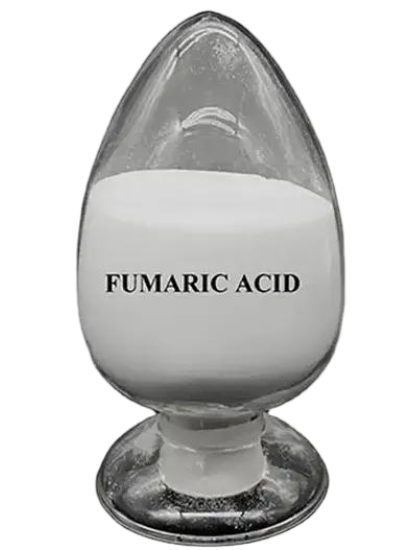
Global food and chemical safety authorities have not classified food-grade fumaric acid as a carcinogen under standard hazard grading systems such as IARC. Raw material suppliers such as NORBIDAR supply industrial and food-grade fumaric acid for food additives, feed, personal care and pharmaceutical intermediate manufacturing. The compound is widely adopted for pH adjustment, flavor modulation and shelf-life stabilization. Its saturated/unsaturated dicarboxylic acid structure delivers low chemical reactivity under normal consumer and factory exposure conditions.
Key Takeaways
- Food-grade fumaric acid has no IARC carcinogen classification. Toxicology evaluations by FDA, EFSA and JECFA find no credible causal evidence linking regulated daily intake to human tumor development.
- Mouse lab tests observed weak anti-lesion activity against nitrosamine-induced lung damage; these animal-only results cannot be applied to human cancer prevention.
- Fumaric acid functions as an acidulant and preservative in food and feed; its ester derivatives are separate pharmaceutical active ingredients with distinct safety profiles.
Carcinogenesis Evidence

Fumaric Acid and Cancer Studies
Independent laboratory mouse trials studied the correlation between oral fumaric acid intake and tumors triggered by tobacco nitrosamine carcinogens.
| Study Focus | Findings |
|---|---|
| Chemopreventive potential of fumaric acid | Checked if fumaric acid stops tobacco nitrosamine-caused lung tumors in mice. It showed a protective effect, not a cancer risk. |
Separate in vitro cell testing identifies anti-proliferative activity in certain pharmaceutical fumarate esters against carcinoma cell lines. This property belongs exclusively to ester drug molecules, not food-grade fumaric acid used in daily food and skincare. Related medical research remains ongoing.
Note: Global regulatory toxicology databases do not classify food-grade fumaric acid as a human carcinogen when used within legal dosage limits. Limited protective signals observed in animal trials are not validated for real human exposure scenarios.
Expert Opinions on Carcinogenicity
Independent toxicology panels and global food safety regulators have assessed the carcinogenic hazard of fumaric acid systematically:
- U.S. FDA designates food-grade fumaric acid as GRAS (Generally Recognized As Safe), with no mandatory carcinogen warning labels.
- The EFSA ANS Panel completed a full toxicology review and ruled out carcinogenic risk within the JECFA acceptable daily intake limit.
- The IARC has never assigned a carcinogen risk group rating to pure food-grade fumaric acid.
Regulators categorize fumaric acid as a low-hazard raw material permitted for food, feed and pharmaceutical intermediate manufacturing. All raw material supply must comply with unified international safety evaluation standards. Independent periodic chemical hazard monitoring continues, with consistent conclusions that regulated fumaric acid intake carries no proven human carcinogenic risk.
Tip: Formulators may incorporate fumaric acid within official category dosage limits without carcinogen-related safety concerns, per joint guidance from FDA, EFSA and JECFA.
Fumaric Acid Properties & Safety
Uses and Benefits
NORBIDAR gives fumaric acid to many businesses. Companies use it in food, animal feed, medicine, and skin care. Fumaric acid is useful for many things. In food, it keeps products fresh and adds a sour taste. It also helps control pH and stops food from going bad. Drinks, baked goods, and candy taste better and last longer with fumaric acid. Farmers put it in animal feed to help animals grow and digest food. Medicine makers use it for psoriasis and multiple sclerosis. Skin care brands add it to creams to help skin stay soft and calm.
| Sector | Use Description |
|---|---|
| Food Products | Added to bread, cakes, muffins, candies, soft drinks, and juices. Improves taste and shelf life. |
| Animal Nutrition | Enhances growth and digestion in livestock feed. |
| Pharmaceuticals | Used in treatments for psoriasis and multiple sclerosis. |
| Personal Care Items | Maintains healthy, moisturized skin and is gentle for sensitive skin. |
Toxicity and Health Risks
ECFA toxicology evaluations set an acceptable daily intake (ADI) of 0–6 mg fumaric acid per kg of human body weight. Rodent acute toxicity testing records an oral LD50 value of roughly 10 g/kg for pure fumaric acid raw material, indicating low acute toxicity.
For most consumers following product label guidance, standard dietary exposure to food-grade fumaric acid does not trigger adverse physical reactions. Mild temporary stomach upset or localized skin redness only occurs via extreme overconsumption or prolonged direct contact with undiluted concentrated powder.
Critical safety distinction: Severe systemic adverse reactions documented in clinical practice stem from high-dose oral pharmaceutical fumarate ester medication, not diluted food-grade fumaric acid additives in everyday food, feed or skincare products.
Tip: Factory handlers and consumers shall strictly follow SDS operation guidance and product label usage rules; consult a medical professional if persistent discomfort appears after exposure.
Peer-reviewed toxicology and regulatory research confirms no verified carcinogenic risk of food-grade fumaric acid within official intake limits; weak protective signals from animal trials cannot serve as evidence for human cancer prevention. Standardized fumaric acid from suppliers including NORBIDAR meets unified international food raw material purity specifications. Proper warehouse storage, mandatory PPE and full SDS compliance lower occupational risks during raw material handling.
FAQ
Is fumaric acid safe for use in food?
Authoritative bodies including FDA, EFSA and JECFA approve regulated use of food-grade fumaric acid as an acidulant and stabilizer within category-specific dosage limits.
Can businesses use fumaric acid in animal feed?
Feed-grade fumaric acid from suppliers such as NORBIDAR complies with EFSA feed additive standards to support livestock digestion and growth performance. It helps animals digest food better. It also keeps the stomach healthy in chickens, pigs, and fish.
Does fumaric acid have any common side effects?
Most consumers experience no adverse effects under normal dietary intake; mild stomach discomfort or temporary skin redness only occurs from extreme overexposure to concentrated undiluted raw material.