Fumaric acid begins to decompose between 230°C and 350°C. According to chemistry textbooks, it completely decomposes at approximately 280°C. During decomposition, fumaric acid produces maleic anhydride and releases water. NORBIDAR is a trusted manufacturer, so understanding the precise decomposition temperature helps ensure safety and product quality.
Key Takeaways
- During decomposition, fumaric acid loses water and produces maleic anhydride. Maleic anhydride is crucial in many industries. Safety is paramount when using fumaric acid. Always wear protective equipment. Never heat it above 200°C. This prevents the generation of hazardous gases. Fumaric acid remains stable below its melting point of 287°C. This makes it suitable for food and pharmaceutical applications. Understanding how fumaric acid decomposes helps businesses ensure product safety and maintain high product quality.
Fumaric Acid Decomposition
Decomposition Temperature Range
Scientists have studied the decomposition of fumaric acid at different temperatures. Decomposition begins at lower temperatures and ends at higher temperatures. Sometimes, decomposition can begin as early as 181°C. This depends on the sample and experimental conditions. Most studies indicate that fumaric acid begins to decompose at approximately 230°C. Major decomposition occurs between 280°C and 300°C. Fumaric acid decomposes completely at temperatures close to 350°C. The table below lists the temperatures commonly used in these studies:
| Decomposition Type | Onset Temperature (°C) | Completion Temperature (°C) |
|---|---|---|
| BCD | 181.40 | N/A |
| BCT | 176.33 | N/A |
| Cocrystal | 224.07 | N/A |
Fumaric acid reacts to form maleic anhydride at approximately 230°C. At this point, a significant chemical change occurs. The compound decomposes more completely with increasing temperature.
Chemical Process
Fumaric acid undergoes a reaction called thermal decomposition. This reaction alters the molecular structure. When heated above 213°C, fumaric acid loses water molecules. This step is called dehydration. Losing water molecules facilitates the conversion of fumaric acid to maleic anhydride. Higher temperatures and specific reagents can accelerate this reaction and produce more product.
The decomposition process of fumaric acid involves the following steps:
- Fumaric acid loses water at temperatures above 213 °C.
- The compound makes maleic anhydride at around 230 °C.
- The reaction gets faster as the temperature goes up.
- Complete breakdown happens near 350 °C.
Scientists have employed specialized methods to study the decomposition process of fumaric acid. They used thermogravimetric analysis (TGA) to measure the mass loss as temperature increased. Numerical methods helped reveal the behavior of fumaric acid upon heating. Quantum chemical calculations explained its structural changes and the role of functional groups.
Note: The formation of maleic anhydride and dehydration are crucial steps in the fumaric acid decomposition process. These changes affect the quality and safety of products using fumaric acid.
Fumaric acid plays a vital role in many industries. Understanding its decomposition process helps companies like NORBIDAR produce high-quality, safe products.
Fumaric Acid Chemical Changes
Decomposition Mechanism
Fumaric acid undergoes changes when heated. The process begins at approximately 230°C. Scientists have studied the changes that occur as the temperature increases. The table below lists the main steps and their corresponding temperatures:
| Key Steps in Breakdown Mechanism | Temperature Threshold |
|---|---|
| Fumaric acid starts to break down | ~230 °C |
| Loss of water (dehydration) | >213 °C |
| Formation of maleic anhydride | >213 °C |
| Partial carbonization | Above 230 °C |
| Release of toxic fumes | Above 350 °C |
The first step is dehydration. Fumaric acid dehydrates at temperatures above 213°C. This change helps it transform into new substances. As the temperature rises, the changes in fumaric acid become more dramatic. At even higher temperatures, it begins to carbonize. If the temperature exceeds 350°C, toxic gases may be released. These steps illustrate the importance of maintaining the appropriate temperature.
Products
New substances are formed when fumaric acid decomposes. The main product is maleic anhydride. This occurs after the dehydration of fumaric acid. This process typically begins at temperatures above 230°C. The following are the main products:
- Fumaric acid loses water when heated.
- Maleic anhydride is the main product.
- At very high heat, other byproducts and fumes can show up.
Maleic anhydride has applications in many industries, such as the manufacture of resins, coatings, and plastics. Understanding the variations in fumaric acid helps companies like NORBIDAR produce safe and high-quality products. Understanding these variations also helps ensure worker safety and prevent the inhalation of harmful fumes.
Temperature Effects
Below its decomposition point
Fumaric acid remains stable when heated at temperatures below its decomposition point. The compound retains its original structure and does not decompose. Its melting point is 287°C. Below this temperature, it remains solid and stable. Its crystal structure causes molecules to pack together tightly, thus preventing the compound from decomposing. The trans configuration allows for strong intermolecular bonds. These strong bonds make fumaric acid more stable than maleic acid.
| Factor | Description |
|---|---|
| Stability at lower temperatures | Fumaric acid stays stable below its melting point of 287 °C, so it does not break down easily. |
| Enthalpy and Gibbs free energy | Negative values mean fumaric acid forms easily and stays stable in cooler places. |
| Crystal structure | Molecules are packed tightly in the crystal, which keeps the compound from breaking and keeps its properties. |
| Intermolecular interactions | The trans configuration makes stronger bonds, so fumaric acid is more stable than maleic acid. |
| Applications | Fumaric acid’s stability helps in medicine and food, making products last longer and work better. |
Above the Decomposition Point
When the temperature exceeds its decomposition point, fumaric acid begins to change. Thermal decomposition begins at approximately 230°C. The compound loses water and produces maleic anhydride. If the temperature exceeds 350°C, toxic gases are produced. These changes can affect the safety and quality of the product.
| Parameter | Observation |
|---|---|
| Decomposition Start Temperature | ~230 °C |
| Water Loss | Yes |
| Product Formation | Maleic anhydride |
| Toxic Fumes Release | Above 350 °C |
Sublimation and Decomposition
Sublimation refers to the process by which a solid transforms into a gas without passing through a liquid stage. Fumaric acid does not sublimate at room temperature and pressure. When heated, it decomposes rather than vaporizes. The compound forms new products instead of becoming a gas. This makes fumaric acid stable in many applications. Companies can use it in its solid form in the food, animal nutrition, and pharmaceutical industries.
Fumaric Acid Safety
Handling Precautions
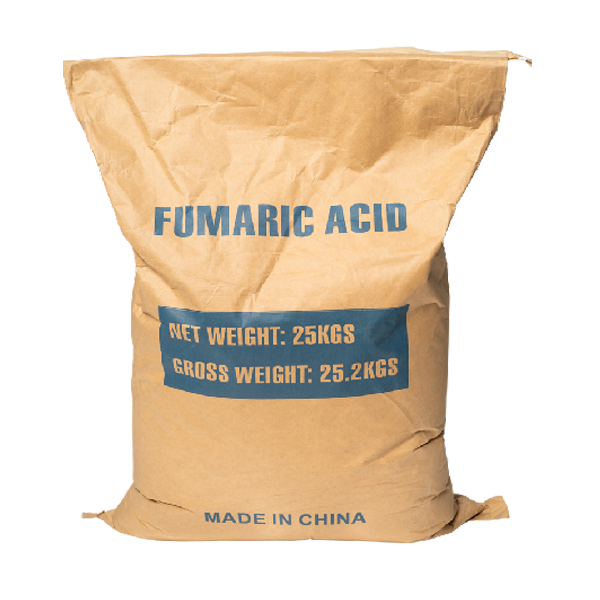
Safe handling of fumaric acid ensures worker safety and product quality. NORBIDAR has established strict regulations to ensure the safety of all personnel. When heating fumaric acid, use laboratory-grade tools. Never use open flames or unsafe heating methods. Workers must wear gloves, goggles, and protective clothing to protect their skin and eyes.
- Put fumaric acid in a closed container.
- Store it in a cool, dry place away from sunlight.
- Do not heat it above 200°C to stop it from breaking down early.
- Use the right tools and watch the temperature closely.
- Never use open flames to heat fumaric acid.
- Always wear gloves, goggles, and safe clothes.
- Keep containers closed so water does not get in.
- Check the label before heating fumaric acid.
- Make sure the room has good airflow.
- Follow all safety rules when heating fumaric acid.
NORBIDAR is committed to ensuring the purity and safety of its products. Their products contain extremely low levels of heavy metals and other harmful substances. The company also strictly adheres to air quality regulations to reduce emissions of acidic dust.
| Safety Aspect | Details |
|---|---|
| Regulatory Approval | FDA (GRAS) and EFSA (E297) say it is safe. |
| Purity Standards | Meets strict rules; heavy metals and bad stuff are controlled. |
| Personal Protective Equipment | Gloves, goggles, and safe clothes are needed when using fumaric acid. |
| Heating Procedures | Use the right tools; do not use open flames; watch the temperature. |
| Storage Conditions | Keep containers closed; store in a dry, cool place below 40°C. |
| Air Quality Standards | OSHA says acid in air should be below 1 mg/m³ to be safe. |
Proper storage and heating of fumaric acid can prevent accidents. Workers should always keep the risks in mind when heating fumaric acid.
Potential Hazards
Improper handling when heating fumaric acid can be dangerous. Fumaric acid decomposes to produce dense fumes and harmful gases. These gases can irritate the eyes, nose, and throat. Fumaric acid can react with alkalis, cyanides, and other chemicals. These reactions can produce flammable or toxic gases. Fumaric acid dust mixed with air can explode.
- Heating fumaric acid above 350°C can make toxic fumes.
- Strong smoke can fill the room if heating goes wrong.
- Fumaric acid dust can explode if it mixes with air.
- Reactions with other things can make dangerous gases.
- Workers should always use safety gear when heating fumaric acid.
Knowing that fumaric acid starts to break down at about 230 °C helps companies keep their products safe and good. This information stops bad chemical changes and keeps workers safe. The table below shows what happens at different temperatures:
| Temperature (°C) | Chemical Change Description |
|---|---|
| 200 | Sublimation happens but there is no chemical change. |
| 230 | Decomposition starts; fumaric acid loses water and makes maleic anhydride. |
| >350 | Toxic fumes from maleic anhydride come out. |
FAQ
What are the main uses of fumaric acid?
Fumaric acid is used in food and animal feed. It gives beverages and baked goods a sour taste. It helps keep food fresh and regulates pH levels.
Is fumaric acid edible?
Agencies such as the U.S. Food and Drug Administration (FDA) and the European Food Safety Authority (EFSA) state that fumaric acid is safe in food. Businesses must comply with relevant regulations to ensure its safety for human consumption.
What happens if fumaric acid is overheated?
If fumaric acid is heated above 350°C, it will produce toxic fumes. Operators handling high temperatures must wear protective equipment and follow proper operating procedures.
How should fumaric acid be stored?
Fumaric acid should be stored in a cool, dry place. Keep containers tightly closed to prevent moisture and air from entering. Good storage conditions ensure the cleanliness and safety of fumaric acid.
Can fumaric acid explode?
Fumaric acid dust mixed with air may explode when exposed to a spark. Workers must handle the powder carefully and keep the work area clean.