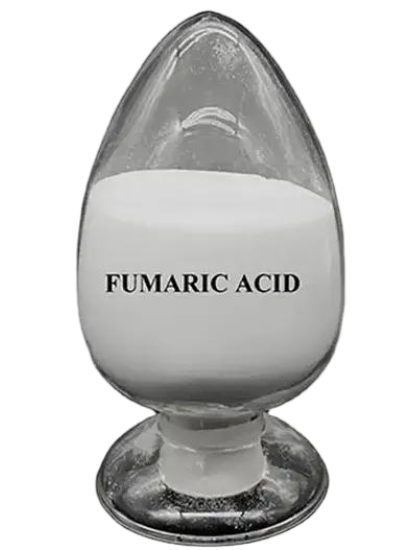
Maleic acid and fumaric acid are isomers. They have the same molecular formula. Their structures are different because of cis-trans isomerism. This kind of isomerism puts atoms in different spots. Cis-trans isomerism makes fumaric acid and maleic acid act differently. Manufacturers often pick fumaric acid for its special benefits.
Key Takeaways
- Maleic acid and fumaric acid are geometric isomers. They have the same formula but different shapes. This makes them act differently. Their stability and reactivity are not the same.
- Fumaric acid is more stable than maleic acid. It melts at a higher temperature. Factories use it for things that need heat.
- Maleic acid mixes well with water. It reacts faster than fumaric acid. It is good for jobs needing quick reactions.
Isomerism Explained
What Are Isomers?
Isomers are compounds with the same formula. Their atoms connect in different ways. This means their structure is not the same. Fumaric acid and maleic acid both have C4H4O4 as their formula. Their atoms are arranged in different places. The table below shows two main types of isomers and examples:
| Type of Isomer | Definition | Example(s) |
|---|---|---|
| Structural Isomers | Compounds with the same formula but different connections. | C4H10 can be n-butane (straight chain) or isobutane (branched). |
| Stereoisomers | Compounds with the same formula but different shapes in space. | Geometric isomers (cis/trans) and optical isomers (mirror images) are examples. |
Types of Isomerism
Organic molecules can show different kinds of isomerism. The most common types are:
- Structural isomers: Atoms connect in different ways.
- Stereoisomers: Atoms connect the same way but look different in space.
- Geometric isomers: These change around a double bond.
- Optical isomers: These are mirror images that do not match.
Fumaric acid and maleic acid are geometric isomers. Their structure changes how they act.
Maleic Acid and Fumaric Acid as Geometric Isomers
Fumaric acid and maleic acid have the same atoms. Their structure makes them different. In fumaric acid, carboxylic groups are on opposite sides of the double bond. In maleic acid, these groups are on the same side. This difference changes their stability, melting point, and solubility. Fumaric acid is more stable and melts at a higher temperature. Manufacturers and suppliers like it for this reason. Maleic acid dissolves better in water because of its polar structure. The special arrangement in fumaric acid gives it useful properties for many industries.
Cis-Trans Isomerism
Structural Differences
Cis-trans isomerism happens in molecules with double bonds or rings. The bond cannot twist, so atoms stay in place. Carbon atoms must have different groups attached. Maleic acid and fumaric acid show cis-trans isomerism. Their double bond stops rotation. Their carbon atoms connect to different groups.
- In maleic acid, both carboxyl groups are on the same side.
- In fumaric acid, carboxyl groups are on opposite sides.
This setup changes how the molecules act. Maleic acid makes hydrogen bonds inside itself. Fumaric acid makes hydrogen bonds between molecules. This affects how they pack, their melting points, and stability.
| Property | Maleic Acid (cis configuration) | Fumaric Acid (trans configuration) |
|---|---|---|
| Hydrogen bonding | Intramolecular | Intermolecular |
| Molecular packing | Less efficient | More efficient |
| Melting point | 130°C | 287°C |
Maleic Acid: Cis Isomer
Maleic acid uses the cis shape. Both carboxyl groups are on the same side. This makes the molecule bend and adds strain. The bond angles in maleic acid cause more crowding. This makes maleic acid less stable. Maleic acid dissolves well in water because it is polar.
| Isomer | Arrangement of Carboxylic Groups | Bond Angle Characteristics | Stability Characteristics |
|---|---|---|---|
| Maleic Acid | Same side of the double bond | Increased steric strain | Less stable |
Manufacturers see that maleic acid melts at a lower temperature. It reacts more easily. The cis shape lets maleic acid make hydrogen bonds inside itself. This makes it more acidic and reactive. Suppliers use maleic acid when they need fast reactions.
| Property | Maleic Acid (cis configuration) | Fumaric Acid (trans configuration) |
|---|---|---|
| Geometry | Groups on same side, more strain | Groups on opposite sides, less strain |
| Stability | Lower | Higher |
| Melting Point | Lower (135 °C) | Higher (287 °C) |
| Solubility | Higher in water | Lower in water |
| Dipole Moment | Polar | Nonpolar |
| Reactivity | More reactive | Less reactive |
Maleic acid’s cis shape makes it polar. This helps it dissolve in water and react fast. Factories pick maleic acid for jobs needing quick changes.
Fumaric Acid: Trans Isomer
Fumaric acid uses the trans shape. The carboxyl groups are on opposite sides. This lowers strain and makes the molecule stable. Fumaric acid packs tightly. This raises its melting point and keeps it strong in heat.
- Fumaric acid’s trans shape stops hydrogen bonds inside the molecule.
- The molecule stays flat and stiff, keeping its shape.
- Fumaric acid is stable because it has less crowding and packs well.
| Isomer | Arrangement of Carboxylic Groups | Bond Angle Characteristics | Stability Characteristics |
|---|---|---|---|
| Fumaric Acid | Opposite sides of the double bond | Less steric hindrance | More stable |
Manufacturers and suppliers like fumaric acid for its high melting point. It does not dissolve much in water. The trans shape makes fumaric acid less polar and less reactive. Factories use fumaric acid in products that need to last and handle heat.
| Property | Fumaric Acid (trans configuration) | Maleic Acid (cis configuration) |
|---|---|---|
| Melting Point | 287°C | 130-139°C |
| Solubility | 7 g/L (25°C) | 478.8 g/L (20°C) |
| Molecular Shape | Trans configuration | Cis configuration |
| Polarity | Less polar | More polar |
- Fumaric acid’s trans shape puts carboxyl groups far apart.
- This stops internal hydrogen bonds and boosts stability.
- Manufacturers use fumaric acid because it works well and lasts.
Fumaric acid is a stable compound. Its trans shape gives it a high melting point and strong heat resistance. Suppliers and factories choose fumaric acid for products that must be tough and reliable.
Isomerism Effects on Properties and Uses

Physical and Chemical Properties
Maleic acid and fumaric acid act differently because of their shapes. Fumaric acid has a trans shape. This makes it more stable and less likely to react. Fumaric acid melts at 287°C, which is much higher than maleic acid. Maleic acid melts at about 130–139°C. Maleic acid has a cis shape. This makes it less stable and more likely to react. Maleic acid has a higher dipole moment. It can make hydrogen bonds inside itself. Maleic acid dissolves well in water. Fumaric acid does not dissolve well in water. These differences help factories pick which acid to use for different jobs.
Fumaric Acid Applications
Fumaric acid is stable and melts at a high temperature. This makes it useful in many industries. Factories use it as a food additive called E297. It gives foods a sour taste and helps control pH in baked goods, drinks, and candy. Fumaric acid does not dissolve much in water. It is very acidic for its weight. This helps food last longer and keeps its texture good. Fumaric acid also keeps the pH steady in dairy and protein drinks. Animal feed makers add fumaric acid to help animals grow and stay healthy. Factories use fumaric acid to make resins. Its stability helps products last longer.
Maleic Acid Applications
Maleic acid reacts fast and dissolves easily in water. This makes it good for quick chemical reactions. Factories use maleic acid to make polymers and resins. Its strong acidity helps make materials that are tough and can handle heat. Factories pick maleic acid when they need fast reactions and high solubility.
Maleic acid and fumaric acid are geometric isomers. They have the same formula, but their shapes are not the same.
| Isomer Type | Structural Description |
|---|---|
| Maleic Acid | Carboxylic acid groups are on the same side of the double bond (cis isomer) |
| Fumaric Acid | Carboxylic acid groups are on opposite sides (trans isomer) |
Cis-trans isomerism makes each compound act in its own way. Factories and suppliers like these differences. Isomerism helps make new medicines and materials.
- Geometric isomers help create new drugs and materials.
- Analytical chemistry lets factories separate and use isomers safely.
Isomerism proves that small changes in structure can cause big changes in industry.
FAQ
Why do factories like fumaric acid?
Factories like fumaric acid because it is very stable. It lasts a long time. It works in food, animal feed, and other products.
How does cis-trans isomerism change what factories pick?
Cis-trans isomerism changes melting point and solubility. It also changes how the acids react. Factories pick the isomer that works best for their needs.
Can both acids be used in food?
Only fumaric acid can be used in food. Suppliers use it to make food sour. It helps food last longer and keeps pH steady.