The use of fumaric acid in Europe is supported by clear regulations. The EU has confirmed that fumaric acid used in food and animal feed is safe. Its E code is E297. Both the European Food Safety Authority (EFSA) and the European Commission have stated that fumaric acid used for these purposes meets all safety standards. The table below lists the key regulations and safety assessments for fumaric acid permitted for use in Europe:
Key Takeaways
- Fumaric acid, also known as E297, is safe for use in food and animal feed in Europe. The European Food Safety Authority (EFSA) strictly regulates fumaric acid to ensure its safety and health benefits. Fumaric acid helps keep food fresh and improves its taste. You can find it in beverages and confectionery. Farmers can add fumaric acid to animal feed, which helps animals grow and keeps the feed fresh. Fumaric acid has no expiration date. Businesses using fumaric acid must comply with relevant EU regulations to ensure its quality and suitability for food, feed, and other uses.
Fumaric Acid Allowed in the EU
EU Food Additive Approval
The European Union has established concise rules for the use of fumaric acid in food. The European Commission has granted fumaric acid the E-number E297, allowing food manufacturers to add it to a variety of food products. The European Food Safety Authority (EFSA) is responsible for reviewing the safety of food additives such as fumaric acid, ensuring that each additive complies with strict regulations before use.
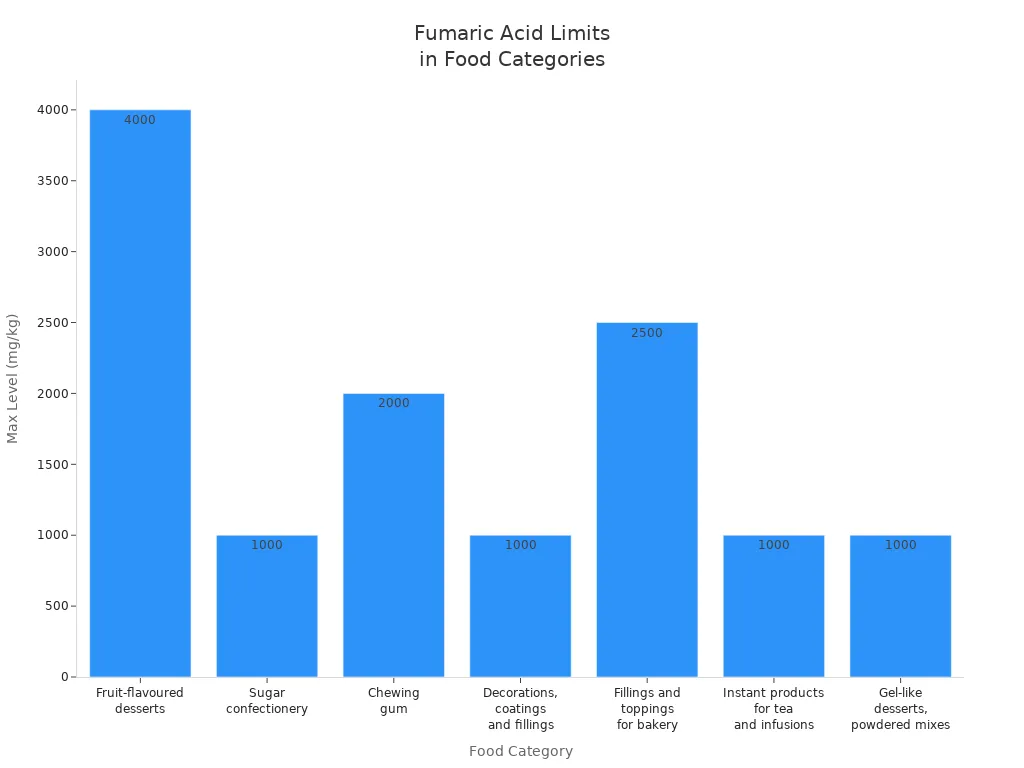
The European Commission and the European Food Safety Authority (EFSA) have also set maximum levels of fumaric acid for various foods. These limits are designed to ensure the safety of people consuming these foods. The table below lists the maximum fumaric acid levels in some common foods:
The EU has a long history of using fumaric acid and strict regulations. Initially, fumaric acid was mainly used in factory production. Later, new regulations made it more suitable for food use. Today, driven by environmental concerns and a desire to protect the planet, the EU increasingly uses bio-based fumaric acid.
Feed Additive Authorization
Fumaric acid is also permitted as an animal feed additive. The European Commission states that it can be used in all animals. This authorization has no expiration date. Farmers use fumaric acid to maintain the freshness and safety of animal feed. It also contributes to healthy animal growth.
The following table explains the main regulations for the use of fumaric acid in animal feed:
| Requirement/Condition | Details |
|---|---|
| Authorization Status | Fumaric acid is allowed as a preservative in feed for all animals. |
| Safety for Animal Species | It is safe for pigs and poultry. |
| Maximum Use Level | Do not use more than 20,000 mg/kg in complete diets for pigs and poultry. |
The European Union has set very high standards for all food additives, including fumaric acid. This differs from other regions. For example, the United States classifies fumaric acid as GRAS (Generally Recognized As Safe), meaning it is safe. The EU, however, employs strict regulations and does not set daily intake limits.
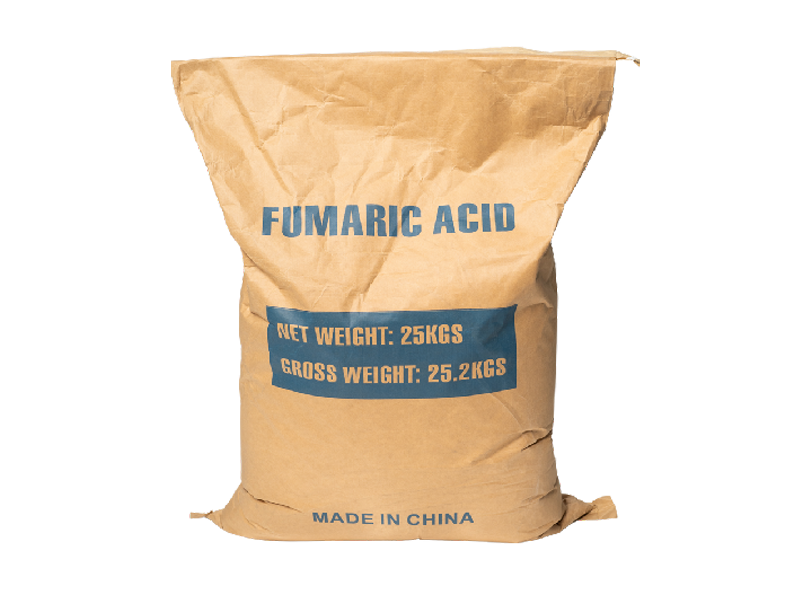
NORBIDAR is a trusted company that produces fumaric acid for food and animal feed in the EU. Their products help ensure food safety and support Europe’s green food system.
Fumaric Acid in Food Regulations

Permitted Food Uses
The European Union’s food safety authorities permit the use of fumaric acid in food and allow companies to add it to a variety of products. Food manufacturers use this additive to improve the taste and shelf life of food, as well as its texture. Beverages, baked goods, and confectionery are the most common food products to which fumaric acid is added. Food safety authorities test these foods to ensure public safety.
NORBIDAR sells fumaric acid for use in the aforementioned food products. Their products comply with all relevant regulations and meet the requirements of food safety authorities.
| Food Category | Maximum Level (mg/kg) |
|---|---|
| Fruit-flavoured desserts | 4000 |
| Sugar confectionery | 1000 |
| Chewing gum | 2000 |
| Decorations, coatings and fillings | 1000 |
| Fillings and toppings for fine bakery ware | 2500 |
| Instant products for flavoured tea and herbal infusions | 1000 |
| Gel-like desserts, fruit-flavoured desserts, dry powdered dessert mixes | 1000 |
Maximum Content and Limits
Food safety agencies have strict regulations on the content of fumaric acid in food. They set content limits for each type of food to protect public health. The table below lists the maximum permissible content of fumaric acid in different foods.
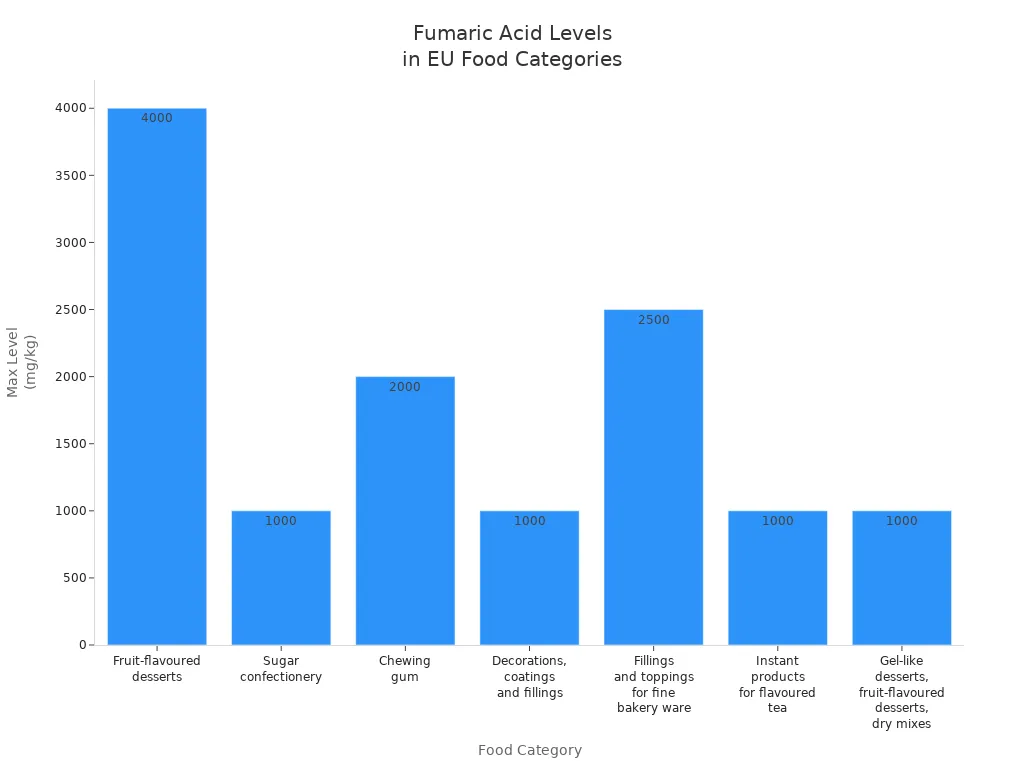
Food safety agencies have no additional regulations regarding the use of fumaric acid in food. They permit its use as a preservative and flavoring agent. The maximum permitted level depends on the type of food. Food safety agencies note that workers handling fumaric acid must exercise extreme caution. For safety reasons, they must wear masks, goggles, and gloves.
NORBIDAR’s food-grade fumaric acid complies with all relevant regulations. Their additives help ensure food safety and guarantee the safety of edible food.
Fumaric Acid Safety and Evaluation
European Food Safety Authority (EFSA) Safety Assessment
The European Food Safety Authority (EFSA) is responsible for inspecting the safety of food additives such as fumaric acid. EFSA experts study human intake and the effects of these additives on the body, referencing research findings from multiple countries. EFSA considers fumaric acid safe in food and animal feed. The EU regularly reviews these regulations to see if new scientific findings change them. EFSA also monitors potential problems from excessive fumaric acid intake. In the United States, the FDA classifies fumaric acid as GRAS (Generally Recognized As Safe), meaning it is safe. Both the EU and the US consider this additive safe.
Potential Side Effects
Most people do not experience problems when taking normal doses of fumaric acid. However, if an overdose is taken or if there are pre-existing health conditions, side effects may occur. The most common side effects include stomach pain, skin redness, and changes in blood cells. Those who are frail, children, or the elderly should exercise extra caution.
| Side Effect | Description |
|---|---|
| Kidney disorders | This can happen if someone eats a lot of fumaric acid quickly. |
| Gastrointestinal upset | This is a common problem. |
| Skin flushing | This happens often. |
| Decreased white blood cell counts | This can happen if used for a long time. |
Some people are concerned about the origin of fumaric acid because it is often factory-produced. Others worry that if fumaric acid is not mixed evenly with food, it may cause a difference in taste or texture. Most food safety organizations state that fumaric acid is safe for humans and animals when used correctly.
Other uses of fumaric acid

Pharmaceuticals and Personal Care
Fumaric acid has uses far beyond food and animal feed. In the pharmaceutical field, pharmaceutical companies add it to tablets and capsules. It helps maintain the pH balance of drugs and prolongs their effects.
Fumaric acid is also used in personal care products. Cosmetic manufacturers use it to balance pH levels, giving products a smooth feel. It is used as a gentle exfoliating ingredient in creams and lotions. Many skincare products for sensitive skin contain fumaric acid. It helps brighten skin tone and keep skin hydrated. Currently, there are no regulations regarding the dosage of fumaric acid in personal care products. However, pharmaceutical companies must comply with safety regulations.
The European Union has strict regulations for pharmaceuticals. These regulations ensure that every batch of medicines has a high degree of purity. Dosage depends on the type of medicine and individual constitution. Pharmaceutical companies must test their products to comply with these regulations.
For Industrial Enterprises and Importers
Fumaric acid plays an important role in many industries. It is used in food and beverage manufacturing, papermaking, and plastics production. Industrial users must comply with the REACH Directive. This means they must test and document their methods of use. These regulations help ensure the safety of workers and the natural environment.
Importers and manufacturers must purchase fumaric acid from reputable suppliers. The regulations stipulate that only high-quality fumaric acid can be sold in Europe. The amount of fumaric acid a worker can use depends on their level of exposure and the safety measures taken.
NORBIDAR strictly adheres to all EU regulations. They test fumaric acid for hazardous substances and heavy metals, thus ensuring the safety of individuals and businesses. Their products are widely used in animal, food, and industrial applications.
Fumaric acid is still allowed in food and animal feed in Europe. Regulators check it very carefully to keep people safe. These checks also make sure products are high quality. Companies are making more plant-based and green products now. They work hard to make their processes better for the planet. The main points are that fumaric acid is safe, has clear rules, and is only used in certain ways. People and companies can get the latest news from the European Commission or EFSA websites.
FAQ
Is fumaric acid safe for Europeans?
The European Food Safety Authority (EFSA) and the European Commission state that fumaric acid is safe for use in food and animal feed. They regularly check its safety. Most people do not experience problems after ingesting normal doses.
Which foods typically contain fumaric acid?
Food manufacturers add fumaric acid to beverages, confectionery, baked goods, and jams. It helps keep food fresh and gives it a sour taste.
Can farmers use fumaric acid in animal feed?
Farmers use fumaric acid in the feed for pigs, poultry, and fish. It helps animals grow and keeps feed fresh. The EU allows the use of fumaric acid under strict safety inspections.
Does fumaric acid have an E number?
Fumaric acid has an E number of E297. This number indicates that it is a European-approved food additive.