As a permitted food-grade acidulant, fumaric acid extends food shelf life primarily via pH adjustment. By lowering product pH, it creates unfavorable environmental conditions to slow the reproduction of spoilage microorganisms. Beyond shelf-life benefits, it is widely applied in beverages and bakery products for flavor tuning, pH balancing and optimizing dough properties, and also assists in stabilizing the quality of sauces, jams and jellies during storage. NORBIDAR supplies food-compliant fumaric acid products for food manufacturing applications across multiple sectors.
Key Takeaways
- Fumaric acid functions as an acidulant to reduce food system pH and inhibit the proliferation of spoilage microbes indirectly, supporting extended shelf stability of finished food. Apart from shelf-life improvement, it optimizes the texture and flavor profile of baked foods. Microencapsulated fumaric acid achieves gradual ingredient release, enabling sustained pH regulation throughout storage and transportation. Proper application of fumaric acid contributes to reduced food spoilage loss and stable finished product quality.
Science Behind Preservation

Role of Acids in Preservation
Acids are important for keeping food safe. They help food stay fresh for a longer time. Many organic acids, like acetic acid and fumaric acid, have been used for a long time to protect food. These acids stop bad bacteria and molds from growing. They also keep food from losing taste and color.
- Food preservation stops food from going bad.
- It makes sure people have enough food.
- Preserved foods help people move and settle.
- Preservation lets people trade foods around the world.
Acetic acid from vinegar is a widely used food acidulant and preservative. Similarly, fumaric acid suppresses microbial growth mainly by shifting food pH to an acidic range that inhibits microbial metabolism, rather than directly destroying microbial cell structures, so as to stabilize finished food quality.
The antimicrobial efficacy of organic acids is inherently dictated by their dissociation constants (pKa). Fumaric acid possesses two pKa values (pKa_1 = 3.03 and pKa_2 = 4.44 at 25℃), making it an exceptionally efficient acidulant at low pH levels. In environments where the food system’s pH drops below its pKa, fumaric acid remains predominantly in its undissociated, lipophilic form. This allows it to freely penetrate the semi-permeable cell membranes of spoilage microorganisms, subsequently disrupting internal cellular homeostasis and metabolic pathways.
pH Regulation and Spoilage Prevention
Fumaric acid is an acidulant. It lowers the pH in food. Changing the pH is important for keeping food safe. Most germs cannot live in acidic places. For example, fumaric acid can suppress the propagation of lactic acid bacteria in pickled cucumber juice when used appropriately, serving as one of the acidulation options in pickling formulations.
The table below shows how fumaric acid helps food last longer:
| Effect of Fumaric Acid | Description |
|---|---|
| Antimicrobial Properties | Lowers system pH to restrict the proliferation of spoilage bacteria and molds |
| pH Reduction | Shifts food to acidic environment unfavorable for spoilage organisms |
| Efficacy | Helps restrict common spoilage microbes such as E. coli and Staphylococcus aureus in vegetable-based food systems |
Fumaric acid prevents food quality deterioration primarily through pH management rather than direct chemical antioxidant pathways. While it does not directly inhibit lipid oxidation like BHA or BHT, its strong acidification capability can synergistically enhance the stability of certain oxygen-sensitive systems by chelating trace metal ions or optimizing the performance of other antioxidant additives.
Mechanism of Fumaric Acid in Food
Antimicrobial Action
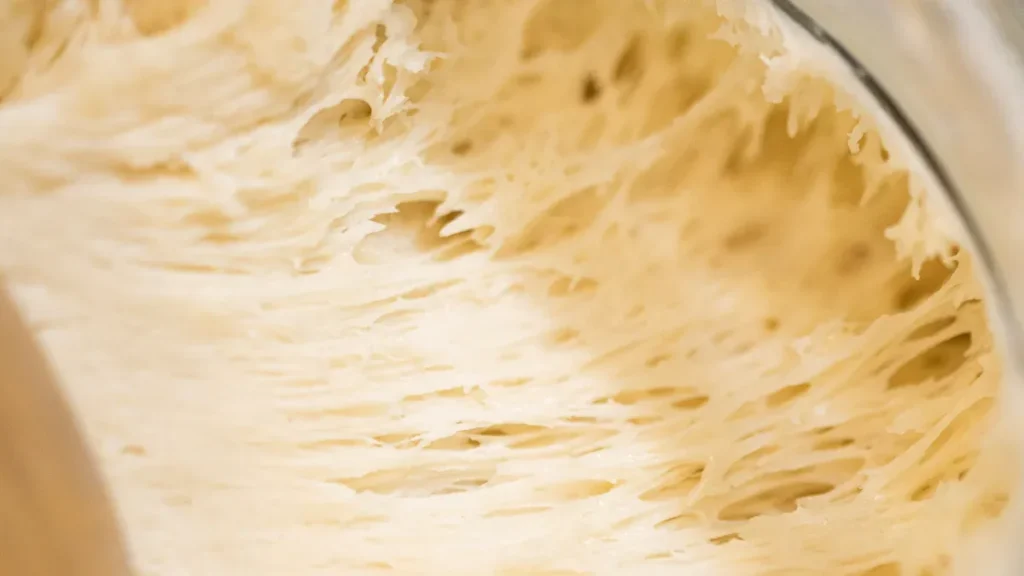
Fumaric acid preserves food quality mainly through pH control after incorporation into processed food. Reduced ambient pH inhibits the metabolic activity of common spoilage bacteria, fungi and yeasts instead of directly killing pathogens such as Listeria monocytogenes. Microencapsulated fumaric acid provides a controlled-release mechanism essential for yeast-leavened bakery applications. Uncoated fumaric acid reacts prematurely with sodium bicarbonate in dry mixes, reducing loaf volume. By applying a hydrogenated vegetable oil coating, the acid is shielded during the mixing and proofing stages, preserving dough elasticity and gas retention. The acid is only released during the baking cycle when temperatures breach the coating’s melting point (typically around 60℃–65℃), lowering the final crumb pH below 5.5 to suppress mold germination without compromising staling rates.
Oxidation Prevention
Fumaric acid cannot prevent lipid oxidation in food. Its shelf-life benefit originates entirely from pH adjustment limiting microbial spoilage. Microencapsulated formulations provide long-term sustained acid release to stabilize bakery product pH and reduce mold risks during storage.
- Fumaric acid stops dry mixes from clumping.
- It slows down bread from getting hard and crumbly.
- Encapsulated fumaric acid makes dough better and softer.
Factories and custom makers use fumaric acid to keep food fresh longer. The acid comes out slowly during baking. This lowers pH over time and stops germs from growing. It helps food last longer.
Comparison with Other Preservatives
Fumaric acid differs from traditional preservatives in functional mechanism, as its preservation effect derives from acidulation rather than direct bactericidal activity, making it widely selected in dry-form food formulas thanks to low hygroscopicity. Fumaric acid does not soak up water easily. This makes it more stable in powder foods.
| Preservative | Shelf Life Performance | Stability in Dry Mixes | Effect on Bread Texture |
|---|---|---|---|
| Fumaric Acid | Improves shelf stability via sustained pH control | Low hygroscopy prevents raw material caking | Optimizes soft texture and delays staling |
| Acetic Acid | Moderate shelf improvement | Higher hygroscopicity | Limited texture modification |
| Citric Acid | Moderate shelf improvement | Prone to trigger powder agglomeration | Limited texture modification |
Microencapsulation lets fumaric acid come out slowly. This stops early reactions with leavening agents. It helps dough rise and taste better. Bakers can use less acid and still get good results. Slow release also stops mold and keeps baked goods fresh.
Tip: Many factories and suppliers use fumaric acid. It keeps food safe, improves quality, and cuts down waste.
Fumaric acid protects food from spoilage, oxidation, and germs. Its special features make it a top choice for factories and suppliers. It helps food last longer and stay safe.
Applications of Fumaric Acid
Fumaric Acid in Food Products
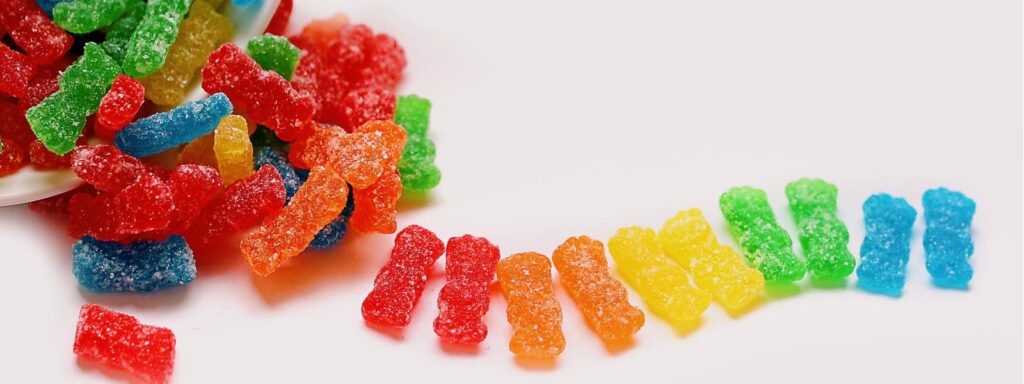
Factories and suppliers use fumaric acid in many foods. Food-grade fumaric acid gives candies and gummies a strong, tangy taste. It helps make bread and cakes softer and improves their texture. Factories add it to tortillas so they rise well and stay fresh longer. Drink makers use fumaric acid to make fruit juices and sodas taste tart and control acidity. Fumaric acid stops dry mixes and powders from clumping, so seasoning blends and baking mixes stay stable. It also keeps acidity balanced in dairy foods like cheese and yogurt. Processed foods such as sauces, jams, and cured meats last longer and stay safe because fumaric acid acts as a preservative.
Tip: NORBIDAR sells good fumaric acid for factories and suppliers all over the world.
Animal Nutrition Benefits
Fumaric acid helps animal feed by making digestion better and helping animals grow. It acts as an acidifier in the gut, so livestock and fish absorb nutrients more easily. Studies show fumaric acid makes intestinal villi taller and wider, so animals get more nutrients from their food. It also stops bad bacteria, keeps the gut healthy, and lowers infection risks. Farmers and feed makers use fumaric acid to help digestion, boost energy, and make feed taste better.
| Benefit | Description |
|---|---|
| Optimizes Digestion | Lowers feed pH for better gut health and digestion |
| Boosts Energy Utilization | Helps energy metabolism and makes feed more efficient |
| Antibacterial Properties | Stops harmful bacteria and lowers gut diseases |
| Enhances Palatability | Adds mild acidity, making feed taste better for animals |
Industrial and Pharmaceutical Uses
Factories and makers use fumaric acid because it is stable and useful. In industry, it is important for making unsaturated polyester resins used in fiberglass plastics, car parts, and building materials. Paints, coatings, adhesives, and sealants last longer and resist chemicals because of fumaric acid. In pharmaceutical production, fumaric acid and its salts are commonly applied as pharmaceutical excipients to adjust formulation pH and improve drug stability; ferrous fumarate is a typical raw material for iron supplement preparations. Its low toxicity and chemical stability make it good for supplements and skin products. NORBIDAR provides fumaric acid to industrial and pharmaceutical clients, making sure products are high quality and work well.
Fumaric acid helps food last longer. It controls acidity and stops bad bacteria. It also keeps food from spoiling. Companies use it to keep food fresh and safe. It makes food taste good too. Reports show these main benefits:
- Keeps drinks and jellies at the right pH
- Makes processed foods taste and feel better
- Works as a preservative and fights germs
| Feature | Contribution |
|---|---|
| pH Regulation | Stops harmful germs from growing |
| Shelf Life Extension | Keeps food fresh and good |
| Texture Enhancement | Makes food soft and last longer |
FAQ
What are the uses of fumaric acid in food?
Fumaric acid helps keep food fresh and safe. It’s a preservative that adjusts pH levels. Businesses add it to baked goods, beverages, and sauces to extend shelf life.
How does fumaric acid compare to other preservatives?
Fumaric acid is more effective as a preservative than many other preservatives. Suppliers choose fumaric acid because it extends the shelf life of food. It also improves the texture of food and prevents dry powder mixtures from becoming damp.
Is fumaric acid safe to eat?
Fumaric acid is recognized as a safe and permitted food additive globally. It is designated as Generally Recognized as Safe (GRAS) by the US FDA under 21 CFR §172.350, and assigned E-number E297 within the European Union for use as an acidity regulator. Manufacturers must utilize food-grade material that complies with the purity standards set by the Food Chemicals Codex (FCC) or Joint FAO/WHO Expert Committee on Food Additives (JECFA).
Can fumaric acid be used in animal feed?
Yes, fumaric acid can be used in animal feed. It can improve digestion and maintain animal health. Feed manufacturers use fumaric acid to help animals grow and inhibit harmful bacteria.
Why do manufacturers trust NORBIDAR’s fumaric acid?
NORBIDAR sells pure fumaric acid. The company has over 15 years of experience. Their products help factories and customers ensure food safety and high quality.