Fumaric acid can erode tooth enamel. This usually happens when people eat or drink highly acidic foods or beverages. Tooth enamel protects teeth from cavities and pain. Many foods, beverages, and personal care products contain fumaric acid. NORBIDAR is a well-known company that produces this important ingredient.
Key Takeaways
- Fumaric acid can weaken tooth enamel. This often happens when eating sour candies and acidic foods. To protect your teeth, try to eat less of these foods.
- After eating acidic foods, rinse your mouth with water. This helps reduce acidity in your mouth and protects tooth enamel.
- Wait at least 30 minutes after eating acidic foods before brushing your teeth. This allows the enamel time to recover its strength.
What is fumaric acid?
Properties and uses
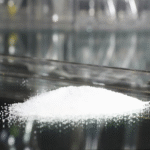
Fumaric acid is an odorless white powder, an organic compound scientifically known as a dicarboxylic acid. Its chemical formula is C₄H₄O₄, and its molecular structure contains two carboxyl groups linked to a double bond, which makes it stable and versatile.
| Property | Description |
|---|---|
| Chemical Formula | HO2CCH=CHCO2H |
| Classification | Dicarboxylic acid |
| Structural Features | Two carboxyl groups (-COOH) across a double bond in trans configuration |
Fumaric acid added to food and beverages. It enhances flavor, keeps food fresh, and controls acidity. Fumaric acid is a strong acidifier that makes sour candies more tart and helps extend the shelf life of baked goods. Food manufacturers use it as a gelling agent and preservative. Fumaric acid also inhibits the growth of harmful microorganisms by disrupting their cell walls.
NORBIDAR and industry applications
NORBIDAR is a fumaric acid manufacturer whose produced fumaric acid is very safe and has been approved by the US FDA and the European Food Safety Authority.
NORBIDAR sells fumaric acid to many industries:
- Food and drinks: Used in soft drinks, juices, and baked goods.
- Animal nutrition: Helps animals use food better and stay healthy.
- Personal care: Put in skincare products for gentle exfoliation.
- Pharmaceuticals: Used in medicines for its stability and health benefits.
Where is fumaric acid found?
Foods and beverages
Fumaric acid is in many sour foods and drinks. Food makers add it to make things taste better and last longer. It also helps control how sour something tastes. Here is a table that lists foods and drinks with fumaric acid:
| Food/Beverage Category | Description |
|---|---|
| Beverages | Put in fruit juices, soft drinks, and drink powders for a sour taste. |
| Baked Goods | Added to bread, cakes, and muffins to help texture and keep them fresh. |
| Candy | Used in many sweets, especially sour candies, for a strong sour flavor. |
| Ready-to-eat Meals | Put in processed foods to help them last longer. |
| Instant Beverage Powders | Makes dry drink mixes taste better and stay good. |
| Dairy Products | Found in yogurt and cheese for texture and to keep them safe. |
| Cured Meats | Used in sausages to stop them from going bad. |
| Jams and Sauces | Helps spreads and sauces taste good and stay safe. |
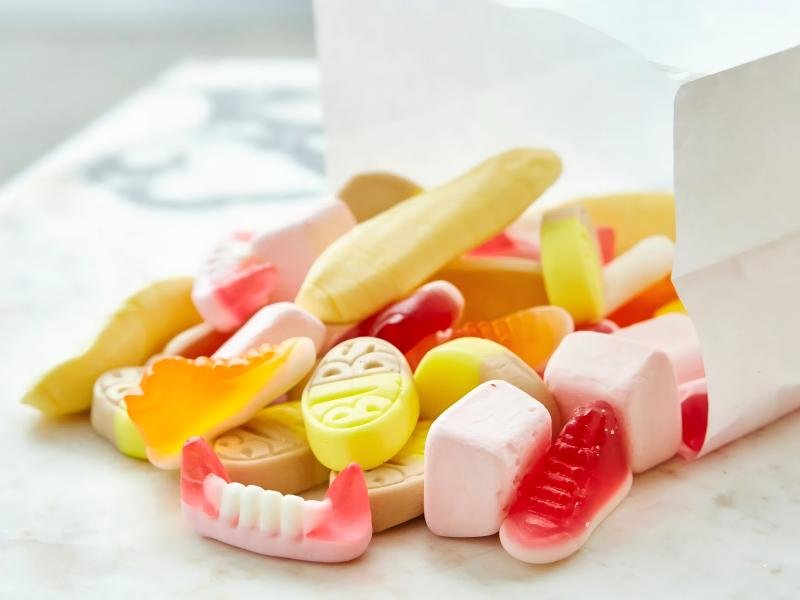
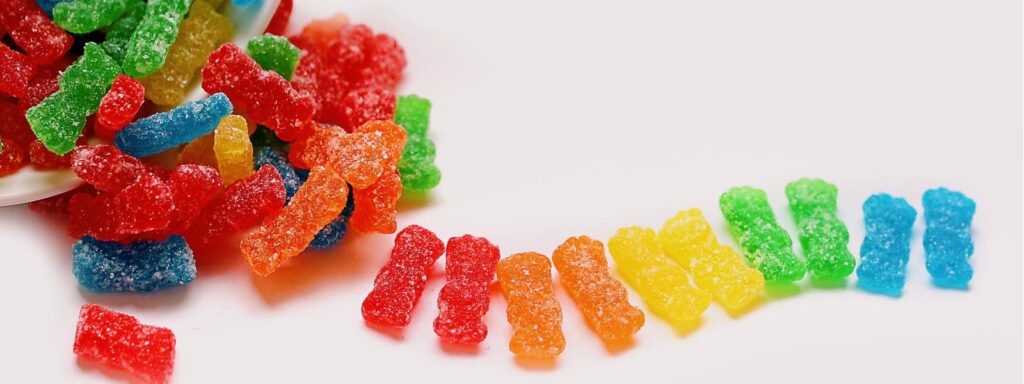
Sour candies contain high levels of fumaric acid. Consuming these candies exposes teeth to a large amount of acid, leading to enamel wear, especially in children who frequently consume sour foods and drinks. Fumaric acid is the main ingredient responsible for the extremely sour taste of sour candies. To achieve the same acidity as other acids, candy manufacturers reduce the amount of fumaric acid used.
Other common sources
Fumaric acid isn’t only found in food. Many facial cleansers and skin creams also contain fumaric acid. Pharmaceutical manufacturers use it in tablets and ointments. Some animal feed and other products also contain fumaric acid. Frequent consumption or use of these acidic foods and products may damage teeth.
Note: Eating sour foods and drinking sour drinks a lot can make tooth enamel weak. People should watch how often they eat sour candies and other sour foods to keep their teeth healthy.
Effects of fumaric acid on teeth

The Enamel Erosion Process
Fumaric acid accelerates the wear and tear of tooth enamel. When people eat sour candies or drink acidic beverages, fumaric acid increases the acidity of the mouth. This lower pH level makes tooth enamel brittle. Tooth enamel is the hard layer that covers each tooth, protecting it from cavities and pain.
The principle is simple. Fumaric acid increases the acidity of food and drinks. This acid breaks down the minerals in the enamel. When the pH level drops, the enamel loses calcium and phosphate. These minerals are essential for maintaining strong teeth. If too much mineral is lost from the enamel, it becomes thin and brittle; this is called enamel erosion.
Dentists point out that frequently eating sour candies and acidic foods is harmful to teeth. The acid in these foods erodes teeth, especially in children. Studies show that children are at higher risk of enamel erosion due to eating sour candies and drinking acidic beverages. Approximately 30% to 50% of children show signs of enamel erosion. About 20% to 45% of adults also have this damage. Children’s teeth are still growing and developing, making them more susceptible to injury.
The table below shows how fumaric acid affects tooth enamel:
| Factor | Impact on Dental Enamel |
|---|---|
| Lowered pH | Weakens dental enamel |
| Mineral loss | Causes enamel erosion |
| Frequent exposure | Increases tooth erosion risk |
| Children’s teeth | Higher susceptibility to damage |
Demineralization and sensitivity
Demineralization happens when dental enamel loses minerals after eating acidic foods or drinks. Fumaric acid makes this happen faster. As dental enamel gets thinner, teeth start to show damage. Fumaric acid can make teeth sensitive and change how they look.
Some signs of enamel erosion from eating sour candies and acidic foods are:
- Teeth look more yellow because dental enamel gets thin and dentin shows.
- Teeth feel more sensitive to hot, cold, or sweet foods.
- Teeth can chip or crack more easily.
- Teeth edges look round.
- Front teeth may look see-through or thin.
- Small dents can form on chewing surfaces.
Dentists say these signs mean the damage is permanent. Dental enamel cannot grow back. Once it is gone, teeth stay weak. Tooth erosion can cause more tooth decay and other problems.
People can help their teeth by rinsing after eating acidic foods and brushing gently. Brushing right after eating acidic foods can hurt teeth more because dental enamel is soft. Waiting before brushing helps dental enamel get stronger again. Using fluoride toothpaste and drinking water after eating sour candies or acidic drinks can help protect teeth.
Dentists suggest these tips to stop dental erosion:
- Eat fewer sour candies and acidic foods.
- Drink water after having acidic drinks.
- Wait before brushing after eating acidic foods.
- Use fluoride toothpaste to help dental enamel.
- Go to the dentist for regular checkups.
Fumaric acid can really hurt teeth. Dental enamel erosion, tooth erosion, and tooth sensitivity can cause lasting problems. People should be careful with sour candies, acidic foods, and acidic drinks. Good brushing and rinsing after eating acidic foods can help keep dental enamel safe and stop dental erosion.
Fumaric acid vs. other acids
Comparison with citric and malic acid
Many foods and drinks have more than one acid. Fumaric acid, citric acid, and malic acid are common. These acids make foods taste sour and help keep them fresh. Citric acid is in oranges, lemons, and many drinks. Malic acid is found in apples, pears, and some candies. Fumaric acid is special because it makes things very sour with just a little bit. Food makers use fumaric acid to make foods taste tart and last longer.
The table below shows how acidic each acid is. The lower the pH, the stronger the acid.
| Acid | pH Value (100 mM) |
|---|---|
| Fumaric Acid | 2.03 |
| Citric Acid | N/A |
| Malic Acid | N/A |
Risk of Enamel Erosion
All strong acids in food and beverages can damage tooth enamel. Fumaric acid, citric acid, and malic acid all increase oral acidity. Frequent consumption of these acidic substances can wear down tooth enamel. Sour candies contain high levels of acid and are more likely to damage teeth than acidic foods consumed during regular meals.
Dentists say the risk of enamel erosion depends on how frequently you consume acidic substances. Fumaric acid is extremely acidic, so food manufacturers reduce its usage. Even small amounts of fumaric acid can lower the pH level in the mouth, thus weakening tooth enamel. Citric acid and malic acid also damage tooth enamel, but the extent of damage depends on the amount of these acids in the food or beverage.
Tip: You can help your teeth by eating fewer acidic foods, rinsing with water after eating, and waiting before brushing.
Fumaric acid, citric acid, and malic acid can all cause enamel erosion. Eating or drinking too many acidic things can damage teeth forever.
Fumaric acid can wear away tooth enamel if you eat lots of acidic foods. Dentists say you should do these things to keep your teeth safe:
- Try not to eat too many sour candies or other acidic foods.
- Drink water after you eat something sour.
- Wait at least 30 minutes before you brush your teeth.
- Brush with toothpaste that has fluoride in it.
- Eat foods with calcium when you eat acidic foods.
FAQ
What are the main risks of consuming foods containing fumaric acid?
Consuming foods containing fumaric acid increases oral acidity, leading to enamel erosion and increased tooth sensitivity.
How to protect your teeth after eating acidic foods?
After eating acidic foods, rinse your mouth with water and wait a moment before brushing your teeth. This allows the enamel time to regain its strength, helping to prevent further damage.
Does brushing your teeth immediately after eating acidic foods help prevent enamel loss?
Brushing your teeth immediately after eating acidic foods is not advisable. Tooth enamel softens after consuming these foods. Dentists recommend waiting at least 30 minutes before brushing for better tooth protection.