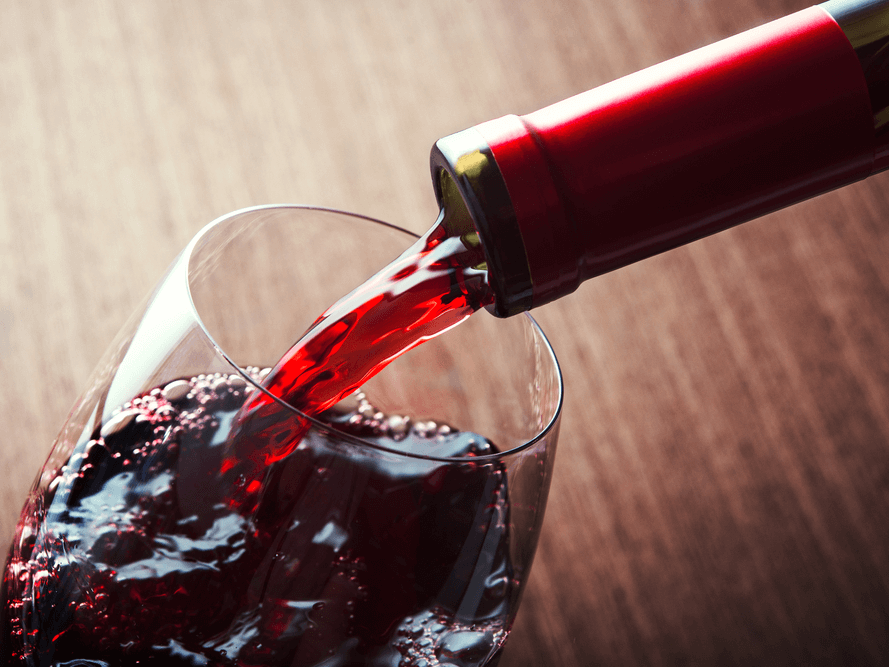
Fumaric acid behaves differently when combined with alcohol, depending on whether the context is chemical‑industrial processing, winemaking, or human medical use. Industrially, fumaric acid undergoes predictable chemical reactions with alcohols to produce widely‑used organic compounds. In winemaking, it is added to stabilize wine products. From a clinical perspective, patients taking fumaric‑ester‑based psoriasis medications face amplified side‑effects if they consume alcohol.
Key Takeaways
- People on fumaric‑ester psoriasis treatment should avoid heavy alcohol intake to reduce gastrointestinal discomfort and skin flushing.
- Industrial esterification between fumaric acid and alcohol yields raw materials for plastics, adhesives, and food‑grade additives.
- Winemakers use fumaric acid to suppress unwanted bacterial growth and preserve wine’s fresh, fruity flavour profile.
Medical Effects: Fumarate‑Based Medication and Alcohol

Prescription oral fumarate esters (such as dimethyl fumarate) are used to manage moderate‑to‑severe psoriasis. These active pharmaceutical ingredients modify immune‑cell activity to reduce skin inflammation and redness.
Important note: Oral prescription fumarate esters are chemically derived from fumaric acid, but are not identical to food‑grade fumaric‑acid additives.
Gastro‑intestinal irritation risks
Gastro‑intestinal upset is a common known side‑effect of oral fumarate‑ester therapy. There is no direct in‑vivo chemical reaction between the drug molecules and ethanol inside the human body. However, alcohol irritates the gastric mucosa independently.
Consuming alcohol while on treatment significantly worsens medication‑related adverse effects: nausea, upper‑abdominal pain, and loose stools become more pronounced. Clinical guidance recommends limiting or avoiding alcohol during treatment to protect the stomach lining.
Other clinical considerations
Alcohol dilates superficial blood vessels. This amplifies drug‑induced skin flushing, another frequent adverse reaction reported by patients.
In clinical studies evaluating dimethyl‑fumarate formulations co‑administered with alcoholic solutions of 5 % and 40 % alcohol, no accelerated drug release was observed. Peak blood levels of the active metabolite monomethyl fumarate decreased by 9 % and 21 % respectively.
Patients should discuss alcohol consumption and lifestyle adjustments with their treating clinician. Following prescribed regimens supports consistent treatment outcomes and reduces the risk of avoidable adverse events.
Chemical Mechanisms: Fumaric Acid and Alcohols
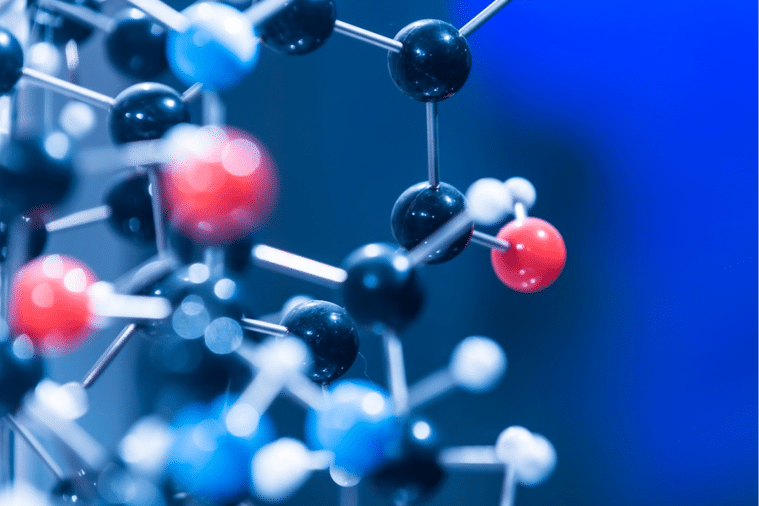
Fumaric acid’s physical and chemical behaviour in alcoholic solutions underpins many industrial workflows.
Solubility in ethanol versus water
Fumaric acid has markedly higher solubility in ethanol than in water at room temperature. Mixed water‑ethanol systems show increased solubility as alcohol content rises:
| Solvent | Solubility (mg/mL) |
|---|---|
| Ethanol | 20 |
| Water | 3.5 |
In 12 % ethanol aqueous solution, solubility reaches 6.4 ± 0.1 g/L; at 16 % ethanol, solubility increases to 7.1 ± 0.1 g/L. This property is exploited in industrial liquid‑phase processing.
Esterification: formation of fumarate diesters
Under acidic catalysis, fumaric acid undergoes esterification with alcohols to produce diesters, for example dimethyl fumarate. The reaction proceeds in four core steps:
- Carbonyl protonation: Acid catalyst donates a proton to fumaric acid’s carbonyl oxygen, activating the carbonyl carbon for reaction.
- Nucleophilic attack: The oxygen atom of ethanol attacks the electrophilic carbonyl carbon, forming an unstable tetrahedral intermediate.
- Water elimination: Proton rearrangement expels one water molecule, reforming the carbon‑oxygen double bond to yield a mono‑ester.
- Second‑group conversion: The same sequence repeats on the remaining carboxylic‑acid group to form the final diester product.
These fumarate diesters serve as building blocks for polyesters, high‑performance coatings, adhesives, and fibreglass composites. Derivatives are also used within the food‑industry as flavour‑modifying and preservation ingredients.
Practical Applications of Fumaric Acid
Winemaking: controlling malolactic fermentation
Uncontrolled malolactic fermentation driven by lactic‑acid bacteria can spoil wine and alter desired flavour characteristics. Winemakers add fumaric acid at typical dosages of 300–600 mg/L to inhibit bacterial activity. At higher doses, it can fully suppress malolactic fermentation.
This additive preserves fruity sensory characteristics in both red and white wines. It enhances tartness and mouthfeel, improves microbial stability during storage and shipping, and suits low‑pH still and sparkling wines without disrupting delicate natural aromas.
Food & industrial formulation
Fumaric acid is a widely‑used food‑grade acidulant. Its sour‑taste strength is approximately 1.5 times that of citric acid, so lower inclusion levels can achieve target acidity. It exhibits low hygroscopicity, helping prevent powder‑form products from caking during storage, and contributes to mould and bacterial growth inhibition, extending shelf‑life.
Different grades are available for production workflows: cold‑water‑soluble grades dissolve rapidly without heating; hot‑water‑soluble variants are formulated for hot‑fill and heat‑processed food manufacturing. It is applied in baked goods, beverages, and powdered food systems.
Closing summary
The interaction between fumaric acid and alcohol falls into distinct categories. In industrial chemistry, they undergo esterification to create functional diester products. In oenology, fumaric acid is deployed as a stabilising acid additive. In clinical settings, prescription fumarate‑ester psoriasis drugs do not chemically react with alcohol inside the human body — yet alcohol amplifies unwanted side‑effects including stomach distress and skin flushing. Patients under medical treatment should follow professional clinical advice regarding alcohol intake.
FAQ
How does fumaric acid assist in the acidification of commercial wines?
Winemakers use fumaric acid to acidify fruit wines, sparkling wines, red wines, white wines, sweet wines, dry wines, and specialty wines. This process boosts acidity levels safely.
Does dimethyl fumarate therapy manage severe psoriasis?
Doctors give dimethyl fumarate medicine for plaque psoriasis, scalp psoriasis, guttate psoriasis, inverse psoriasis, and pustular psoriasis. This helpful drug lowers painful skin swelling.
What side effects occur during fumaric acid treatment?
Patients experience stomach issues and skin flushing during their daily drug care. Meanwhile, beverage chemical companies add fumaric acid to acidify organic wines and classic drinks completely.