Fumaric acid (INS E297) is widely applied as an acidulant across multiple beverage categories, including carbonated soft drinks, sports/energy drinks, fruit juice blends, instant flavored tea powders, and certain low-alcohol fermented beverages. Manufacturers select it for its distinct tart sensory profile, reliable pH buffering performance, and microbial inhibition effect that extends shelf life. Raw material suppliers such as NORBIDAR supply food-grade fumaric acid compliant with global food additive standards. Global food safety authorities including JECFA, FDA, and EFSA have approved its use within regulated dosage limits, supporting steady market adoption for acidified beverage formulations worldwide.
Key Takeaways
- Fumaric acid serves as acidulant and shelf-life stabilizer in carbonated drinks, sports beverages, fruit juice mixes, instant tea powders and selected low-alcohol drinks, delivering sharp, long-lasting tartness.
- Its strong buffering capacity stabilizes beverage pH within 3.0–3.5, suppressing spoilage microbes to extend shelf life.
- For most healthy adults, beverages with regulated fumaric acid dosage are safe for regular consumption; sensitive groups (children, pregnant people, seniors, immunocompromised individuals) should limit excessive intake and consult a medical provider with concerns.
Beverages with Fumaric Acid
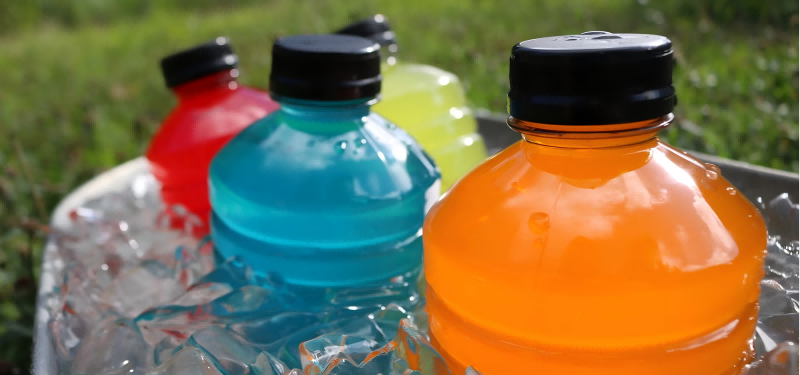
Fumaric acid is a globally approved acidulant for beverage manufacturing, valued for its sensory and stabilizing functions. Below breaks down mainstream beverage categories that adopt this additive, plus formulation rationale for each application scenario.
Soft Drinks High in Fumaric Acid
Soft drinks use fumaric acid to make them taste better. Colas and lemon-lime sodas get a sour taste from it. This acid keeps the color bright and helps drinks last longer. Factories and sellers pick fumaric acid to keep sodas fresh and tasty.
Fumaric acid is added to soft drinks to:
- Deliver intense, persistent sour flavor
- Maintain formula chemical stability during storage
- Preserve beverage color and sensory freshness over shelf life
Many sodas and sparkling waters utilize fumaric acid; fruit-flavored carbonated varieties rely on its crisp tart profile to balance sweetness.
Sports and Energy Beverages
Sports and energy beverages need fumaric acid for taste and quality. These drinks must taste sharp and clean for active people. Fumaric acid gives a sour flavor that balances the sweet taste. It also helps control pH, which keeps the drink stable and fresh.
Drink makers use fumaric acid in sports drinks to:
- Boost pronounced tart flavor to mask sugary or metallic notes
- Stabilize formula pH across temperature fluctuations during storage
- Suppress microbial spoilage to extend shelf life
Fruit-flavored energy drinks utilize fumaric acid to maintain consistent flavor intensity and long-term freshness.
Fruit Juices and Flavored Teas
Fruit juices and instant flavored tea powders frequently incorporate fumaric acid for sensory balance and shelf-life control. This acidulant is especially common in dry instant beverage mixes due to low hygroscopicity; its poor cold-water solubility limits direct use in ready-to-drink cold juice unless pre-dissolved under heating.
| Food Category | Maximum Level (ppm) |
|---|---|
| Fruit-flavoured desserts | 4000 |
| Instant products for preparation of flavoured tea and herbal infusions | 1000 |
For reconstitutable fruit juice concentrates and dry instant beverages, manufacturers deploy controlled fumaric acid dosage to retain bright fruit notes and inhibit microbial growth during storage. Berry and citrus juice blends leverage its tangy profile to amplify natural fruit sourness.
Alcoholic Beverages with Fumaric Acid
Certain low-alcohol and fermented alcoholic beverages (table wines, flavored malt coolers, hard ciders) use fumaric acid for flavor tuning and microbial stability control. The acid modulates total titratable acidity and locks consistent pH to standardize flavor and extend shelf life.
Core functional effects in alcoholic beverages:
- Boost controlled tartness to balance sweet residual sugars
- Stabilize beverage pH for consistent sensory profile
- Suppress unwanted lactic acid bacteria proliferation to prevent off-flavor secondary fermentation
Manufacturers add regulated doses of fumaric acid to alcoholic drinks to maintain consistent safety and flavor characteristics throughout distribution.
Why Fumaric Acid is Used in Beverages
Acidulant and Flavor Enhancer
Fumaric acid functions as a potent acidulant and flavor modifier for beverage formulations. Industry sensory testing confirms fumaric acid delivers approximately 1.3–1.5 times stronger perceived sourness by equal weight compared to citric acid, allowing lower inclusion rates to reach target tart balance and mask cloying sweetness. Its slow dissolution rate creates a lingering tart taste on the palate, ideal for bold fruit-flavored beverage profiles.
Key limitation for liquid ready-to-drink products: fumaric acid exhibits very low solubility in cold water, so it performs best in hot-dissolved concentrates or dry instant beverage mixes rather than cold direct-add liquid formulas. As a flavor modifier, it amplifies natural fruit notes and locks consistent taste throughout shelf life.
| Acidulant | Acidity Level | Usage Amount (mg/kg) | Flavor Profile Contribution |
|---|---|---|---|
| Fumaric Acid | 1.5x citric | 300–600 | Intense, long-lasting sour taste, balances sweetness |
| Citric Acid | Baseline | Varies | Quick, less persistent sourness |
| Malic Acid | Less acidic | Varies | Mild, short-lived tartness |
pH Regulation and Shelf Life
Fumaric acid helps keep drinks safe and fresh for longer. It delivers strong buffering capacity to stabilize beverage pH within the 3.0–3.5 range, a zone that suppresses the proliferation of most spoilage yeast and bacteria. The additive also locks consistent color and sensory characteristics across the full product shelf life. Beverage manufacturers rely on fumaric acid’s stabilizing properties to reduce spoilage risk and extend product usable life under standard storage conditions.
Core stabilizing functions:
- Maintains stable pH through temperature and shelf-life fluctuations
- Creates low-pH environment that inhibits spoilage microorganism growth
- Preserves original beverage flavor and color integrity
Comparison with Other Acidulants
Fumaric acid has some benefits over other acids in drinks. It gives a sour taste that lasts longer than citric acid. Its fruity flavor is good for sour drinks. Its higher relative sour intensity reduces required addition volume per formula, lowering total acidulant raw material cost for large-scale production lines. It exhibits low cold-water solubility, making it more suitable for dry instant mixes than ready-to-drink cold beverages. Even with this solubility limitation, beverage manufacturers widely select fumaric acid for its balanced sensory and cost advantages.
| Acidulant | Acidity Comparison | Taste Characteristics | Cost | Solubility |
|---|---|---|---|---|
| Fumaric Acid | 1.5x citric | Persistent, stable sour taste, unique fruity flavor | Least expensive | Less soluble |
| Citric Acid | Baseline | Fresh, quick sour taste, citrus flavor | Low | Highly soluble |
Tip: Drink makers often choose fumaric acid for its strong sour taste and low price. It also helps keep drinks fresh. More companies are using it in drinks and foods every year.
Fumaric Acid Safety and Health Considerations
Regulatory Approval and Consumption
Many food safety groups say fumaric acid is safe in drinks and foods.
- The FDA says fumaric acid is Generally Recognized As Safe (GRAS).
- The EFSA also lets companies use it in drinks and foods.
- Codex Alimentarius, a world group, gives rules for using it.
Drink makers follow these rules to keep drinks safe for people. This acidulant helps drinks stay fresh and safe for a longer time.
Potential Health Effects
For the vast majority of healthy consumers, moderate intake of beverages containing regulated doses of food-grade fumaric acid produces no adverse physical reactions. Mild gastrointestinal upset (nausea, stomach ache, loose stool) may only occur with extreme excessive consumption far exceeding JECFA’s acceptable daily intake (ADI: 6 mg per kg of body weight per day). Transient flushing, pruritus or persistent rash reported in clinical literature are exclusively linked to high-dose oral pharmaceutical fumarate ester medications (dimethyl/diroximel fumarate for autoimmune disease treatment), and these symptoms are not observed from standard beverage additive intake.
| Symptom | Description |
|---|---|
| Flushing | Face or skin turns red and feels hot |
| Gastrointestinal | Stomach pain, nausea, vomiting, or diarrhea |
| Pruritus | Skin feels itchy |
Who Should Limit Intake
Some people need to be careful with drinks that have fumaric acid. People with weak immune systems or low lymphocyte counts may have stronger reactions. Kids and older adults should be extra careful. Doctors may want to check on these people more often.
| Population Group | Sensitivity to Fumaric Acid |
|---|---|
| People with compromised immune systems | May react more strongly to fumaric acid |
| People with low lymphocyte counts | Should not consume excessive amounts |
| Children | Extra caution is needed |
| Older adults | Special attention should be paid |
| Individuals with weakened immune systems | Should be closely monitored |
Fumaric acid helps stop germs, so drinks stay safe. It also helps drinks last longer and taste better. Drink makers use good fumaric acid to meet safety rules in every drink.
Many drinks have fumaric acid for taste and safety. It also helps keep drinks fresh. The table below lists some drink types:
| Beverage Category | Examples |
|---|---|
| Fruit Juice Beverages | N/A |
| Vegetable Juice Blends | N/A |
| Beer, Wine, and Spirits | Hard ciders, Shandies, Sparkling ciders, Wines |
| Sugar Free and Low Calorie Drinks | Sports electrolyte drinks, Calcium-fortified protein drinks, Vitamin-infused flavored waters |
| Juice | N/A |
Drink makers pick fumaric acid for its strong sour flavor. It helps keep drinks safe and keeps the quality good. People should look at labels for fumaric or E297. If they worry, they can ask a health expert. NORBIDAR gives good fumaric acid for making drinks.
FAQ
What is fumaric acid used for in drinks?
Fumaric acid makes drinks taste sour. It keeps drinks fresh and stable. Companies use it to make drinks taste better and last longer.
Is fumaric acid safe for everyone?
Most people can drink things with fumaric acid. Some people, like kids or older adults, should talk to a doctor first.
How can someone identify drinks with fumaric acid?
People can look at the ingredient label for fumaric acid or E297. Drink makers put it on the package so people can find it easily.