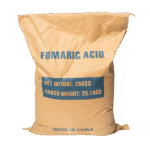
Fumaric acid is generally considered safe for the kidneys, especially when used in appropriate doses. However, caution is advised if you have pre-existing kidney problems or are frequently exposed to high concentrations of fumaric acid. NORBIDAR’s fumaric acid is widely used in various industries, including food, animal feed, and pharmaceuticals. Individuals with pre-existing kidney disease or frequent exposure to fumaric acid should consult a healthcare professional before considering its use.
Key Takeaways
- When used correctly, fumaric acid is generally safe for the kidneys. If you have kidney problems, consult your doctor. Healthy kidneys can clear fumaric acid well. People with kidney disease may have difficulty clearing fumaric acid, leading to problems. Overdosing or prolonged use of fumaric acid can damage the kidneys and may cause Fanconi syndrome and proteinuria. People with kidney disease need regular checkups when using fumaric acid to ensure kidney health. A healthy diet and avoiding excessive fumaric acid intake help maintain kidney health and prevent kidney problems.
Fumaric acid for kidneys

How the Body Processes Fumarate
When you ingest fumarate (which is beneficial to the kidneys), it works immediately in your body. The body breaks down and utilizes fumarate in several ways. The primary pathway is the tricarboxylic acid cycle (TCA cycle), also known as the Krebs cycle. In this cycle, fumarate is converted to malate. An enzyme called fumaratease is involved in this conversion. This step provides energy to the body.
Fumarate can also be converted in reverse to oxaloacetate. Fumarate hydratase is involved in this conversion. Another pathway is the urea cycle. In this cycle, fumarate combines with ammonia to form arginine. Arginine helps the body eliminate waste. The purine nucleotide cycle also utilizes fumarate. It helps generate important substances such as AMP and GMP. IMP dehydrogenase is involved in this step.
Fumarate also acts as a signaling molecule in the body. It helps control iron levels by activating specific genes. All of these pathways indicate that fumarate has many benefits for the kidneys and helps maintain our health.
The Role of the Kidneys in Excretion
The kidneys help cleanse the blood and maintain homeostasis. They are crucial for clearing fumarate. After the body uses fumarate, the excess goes to the kidneys. The kidneys filter out the excess fumarate and excrete it in urine.
Studies show that people with healthy kidneys process fumarate more efficiently than those with kidney disease. If someone has kidney disease, especially diabetes, their body may not be able to clear fumarate effectively. Scientists have found that higher levels of fumarate in urine may indicate deteriorating kidney function.
The kidneys have to work hard to clear fumarate. If the kidneys cannot do this, fumarate accumulates and causes problems. For example, fumarate can damage mitochondria in kidney cells, which can lead to Fanconi syndrome. In this case, the body loses substances such as bicarbonate, phosphate, and amino acids in the urine. Sometimes, taking an overdose of fumarate can cause sudden kidney damage or proteinuria. These problems usually occur when taking an overdose or when the dosage is increased too quickly.
| Function of Kidneys | Impact on Fumaric Acid for Kidneys |
|---|---|
| Filtration | Takes out extra fumaric acid for kidneys from blood |
| Regulation | Keeps levels safe and stops buildup |
| Protection | Stops damage by controlling how much leaves the body |
Scientific evidence and kidney safety

Research on the Effects of Fumaric Acid on the Kidneys
Scientists have studied the effects of fumarate on the kidneys. Most people do not experience problems after taking fumarate. However, sometimes, high doses or certain health conditions can lead to kidney problems. Researchers have found that fumarate may cause Fanconi syndrome. Fanconi syndrome refers to the loss of substances such as phosphates and amino acids by the kidneys. Fanconi syndrome can lead to brittle bones and trigger other health problems.
- A study titled “Fumarate-Induced Diffuse Tubular Damage Manifesting as Fanconi Syndrome and Osteomalacia” showed that fumarate can damage the renal tubules. Patients in this study developed kidney damage after taking fumarate for medical reasons.
- Doctors found that some patients had proteinuria, meaning the presence of protein in their urine. This may indicate poor kidney function.
- In rare cases, patients may suddenly develop kidney damage after taking large doses of fumarate.
Most people do not experience these problems. Problems usually occur if an overdose is taken or if the patient has pre-existing kidney disease.
Health Department Perspective
Health departments review relevant studies to determine the safety of fumarate. They will set standards for the amount of fumaric acid used in food and drugs. The U.S. Food and Drug Administration (FDA) states that fumaric acid is safe in most cases. The European Food Safety Authority (EFSA) has also approved fumaric acid for use in food and animal feed.
Doctors recommend that people with kidney disease or those taking high doses of fumaric acid consult a healthcare professional before using products containing fumaric acid. Health authorities agree that most people can safely use fumaric acid if regulations are followed.
Side effects of fumaric acid
Kidney-related side effects
Doctors and scientists have studied the effects of fumaric acid on the human body. The kidneys help eliminate excess fumaric acid. Problems can occur if taken in excess or used for a long period. Some side effects can damage the kidneys. Here are some common kidney problems:
- Proteinization may occur. This means that protein is excreted in the urine.
- Fanconi syndrome may occur. The kidneys lose substances such as phosphates and amino acids.
- High doses can lead to nephrotoxicity. The kidneys will be stressed and their function will be impaired.
- Long-term high doses can increase the burden on the kidneys and liver.
Other potential risks
Fumaric acid can also cause other side effects. These side effects do not always damage the kidneys. Some people may experience the following problems after taking fumaric acid:
- Gastrointestinal discomfort. Manifests as stomach pain or diarrhea.
- Skin flushing. The skin may become red and hot.
- Long-term use can lead to a decrease in white blood cell count.
- Kidney disease, although rare, can occur.
| Side Effect | Description |
|---|---|
| Gastrointestinal upset | This is a common problem. |
| Skin flushing | This happens a lot. |
| Decreased white blood cell counts | This can happen with long use. |
Risk factors and safe use of Fumaric acid
High doses and prolonged exposure
Some people are at higher risk if they take large amounts or take fumarate for extended periods. The kidneys have to work hard to clear excess fumarate. If an overdose is taken, kidney problems can occur. Certain medications, such as tenofovir, also need to be excreted through the kidneys. Taking tenofovir and dimethyl fumarate together increases the risk of kidney damage. Doctors recommend that people in this situation have their kidney health checked.
| Monitoring Aspect | Reason for Monitoring |
|---|---|
| Kidney Function | Possible kidney problems |
| Liver Function | Possible liver problems |
| Blood Count | Check for changes in white blood cells |
Pre-existing kidney conditions
People with kidney disease or weak kidneys have more risk. Their bodies may not clear fumaric acid as well as healthy people. Dimethyl fumarate has not been tested in people with kidney problems, so doctors say to be careful. Doctors suggest regular check-ups for these people. People with diabetes or other kidney issues should not use high doses of fumaric acid.
When to seek medical advice
Some symptoms mean you should get medical help. People should watch for signs that show kidney or liver stress. If these signs happen, they should see a doctor right away.
- Rashes or skin irritation
- Swelling
- Trouble breathing
- Yellow skin
- Dark urine
- Chest pain
- Fast heartbeat
- Nausea, vomiting, or diarrhea
- Indigestion or heartburn
Eating healthy and not taking too much can help control fumaric acid levels. Regular check-ups help find problems early. People who use products with fumaric acid should watch for any strange symptoms.
Fumaric acid is usually safe for kidneys if used right. Some people with kidney disease or high exposure may have rare risks. They should watch their health and ask a doctor if needed. Making smart choices can help avoid problems. The table below shows benefits that help keep use safe:
| Benefit | Description |
|---|---|
| Stability | Keeps products good for a long time |
| Controlled Acidification | Helps adjust pH safely |
| Reliable Behavior | Makes results stay the same |
FAQ
Can people with kidney disease use products containing fumaric acid?
Doctors advise that people with kidney disease consult their doctor first. Their kidneys may not be able to effectively eliminate fumaric acid. Closely monitoring their health can help prevent problems.
What are the signs of kidney problems after taking fumaric acid?
Some signs include swelling, dark urine, and fatigue. Some people may find protein in their urine. If these symptoms occur, seek medical attention immediately.
Is fumaric acid safe for children?
Health organizations state that fumaric acid is safe to consume in food. Children can consume small amounts. Parents should not give children large doses or supplements unless permitted by a doctor.
How does the body eliminate fumaric acid?
The kidneys eliminate excess fumaric acid. Fumaric acid is excreted through urine. Healthy kidneys can easily complete this process. People with kidney disease need to be more cautious.
Can fumaric acid cause other health problems?
Some people may experience stomach pain or skin redness. In rare cases, it can affect white blood cell counts. The doctor advised close monitoring for any abnormalities and prompt medical attention if necessary.