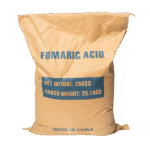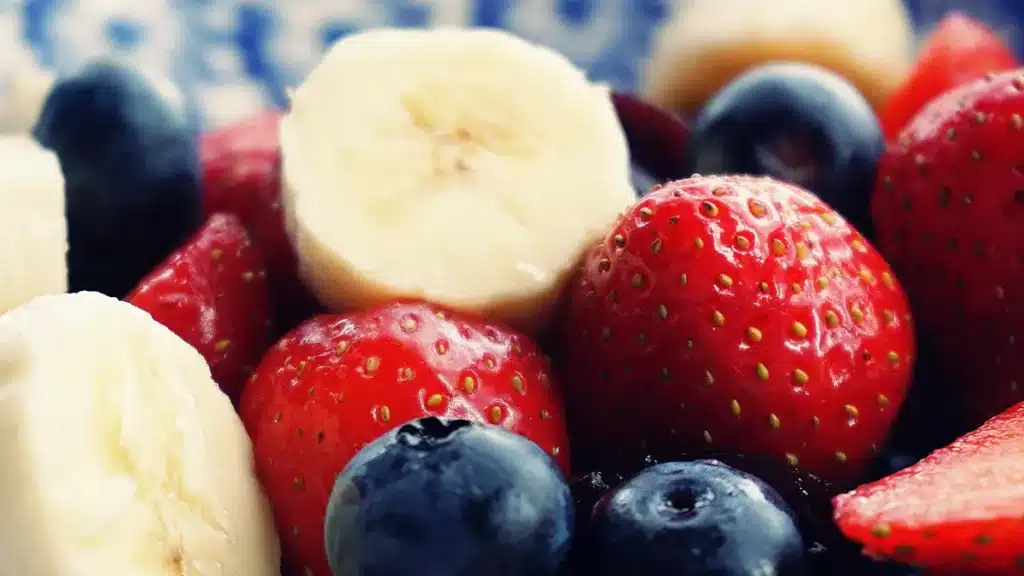
Fumaric acid exists in both natural and synthetic forms, occurring widely in various plants and fruits, and it is also naturally produced in human skin after sun exposure; scientists have detected fumaric acid in fruits including quince, apples and pears, with quince containing the highest content of this acid, and people can obtain fumaric acid from natural products and dietary supplements, while most commercially available fumaric acid is industrially synthesized and commonly used as a food additive to bring a richer sour flavor to food products.
Key Takeaways
- Fumaric acid is found in many fruits and plants, making it a natural compound. It can also be synthesized artificially in factories.
- This acid makes food taste more acidic. It acts as a preservative, helping to keep food fresh and safe.
- Fumaric acid plays a vital role in the tricarboxylic acid cycle (TCA cycle). The TCA cycle helps humans and other organisms produce energy.
- Synthetic fumaric acid is readily available and is used in food, pharmaceuticals, and plastics manufacturing.
- Both natural and synthetic fumaric acid are safe to consume. You should check the label to determine if it is suitable for your diet.
What is fumaric acid?
Definition and properties
Fumaric acid exists naturally and can also be synthesized artificially. It belongs to the dicarboxylic acid class of compounds. This acid has two opposing carboxyl groups, which makes it more stable. Its molecular formula is C₄H₄O₄, and its structural formula is HOOC-CH=CH-COOH. Fumaric acid is a white powder, readily soluble in water, but also readily soluble in ethanol and ether. It has a high melting point of approximately 287℃, indicating good heat resistance. The fumaric acid molecule is symmetrical and has no dipole moment, therefore it is not optically active. When heated above 200℃, fumaric acid decomposes to form maleic anhydride.
NORBIDAR is a trusted company with over 15 years of experience. They rigorously test fumaric acid, and all their products are food-grade certified. With its advanced technology, NORBIDAR’s products are sold worldwide, making them a reliable supplier for numerous clients.
Common Uses
Fumaric acid has a wide range of uses in everyday life. It is added to food to give it a sour taste, helps keep food fresh, and prevents mold growth in tortillas, bread, juice, and desserts. Fumaric acid also helps control the pH level of food and beverages.
Fumaric acid is used in factories to produce polyester resins. These resins are used in the manufacture of building materials, automotive parts, and marine components. Some cleaning products and dyes also contain fumaric acid. It has applications in many markets.
Fumaric acid is known for its stability and safety, and its applications are wide-ranging. NORBIDAR is committed to providing high-quality products and innovative ideas to customers in the food, construction, and other industries.
Natural sources of fumaric acid

Content in Plants and Fruits
Fumaric acid is found in many plants. It helps plants grow and stay strong. Some fruits are rich in this compound. Cornus officinalis has the highest content of this organic acid. Wild strawberries, rose hips, and blueberries have lower levels of fumaric acid. The table below shows the fumaric acid content of each fruit:
| Fruit Species | Total Organic Acid Content (g kg−1) | Fumaric Acid Influence | Other Organic Acids Influence |
|---|---|---|---|
| Cornus officinalis | 36.30 to 48.4 | Significant | Significant |
| Wild Strawberry | 4.53 to 9.22 | No significant influence | Shikimic acid content significant |
| Rosehip | 5.87 to 12.74 | N/A | N/A |
| Bilberry | 9.78 to 15.16 | N/A | Significant |
Vegetables also contain fumaric acid. Radishes are rich in it, mainly found in their leaves and stems. Lichens and mushrooms also contain fumaric acid. This compound exists naturally in plants. Plants produce fumaric acid during metabolism. They use the tricarboxylic acid cycle (TCA cycle) to synthesize fumaric acid. The following are the steps in which plants synthesize fumaric acid:
- Pyruvate goes into the TCA cycle after glycolysis.
- Acetyl-CoA joins with oxaloacetate to make citrate.
- Citrate changes into isocitrate.
- Isocitrate becomes α-ketoglutarate and gives off energy.
- α-Ketoglutarate turns into succinyl-CoA.
- Succinyl-CoA changes into succinate, then fumarate.
- Fumarate hydrates and forms fumaric acid with fumarase.
This process provides energy to plants and helps them build molecules. Fumaric acid in plants contributes to their survival and growth.
Biological Presence in Humans and Organisms
Fumaric acid is essential to organisms. It is a component of the tricarboxylic acid cycle (TCA cycle), which produces energy within cells. Humans and animals need this cycle to obtain energy from food. The table below shows the role of fumaric acid in the body:
| Biological Function | Description |
|---|---|
| TCA Cycle Intermediate | Fumaric acid forms from succinate by succinate dehydrogenase. |
| Energy Production | It helps generate reducing equivalents like FADH₂ and NADH for ATP synthesis. |
| Anaplerotic Reactions | Fumarate participates in reactions that replenish TCA cycle intermediates. |
| Metabolic Disorders | Problems with fumarate metabolism can cause fumarase deficiency syndrome. |
Cells use fumaric acid to maintain energy stability. It helps replenish important molecules in the tricarboxylic acid cycle (TCA cycle). Health problems can arise if the body cannot properly utilize fumaric acid. Human skin also produces fumaric acid after sun exposure. This natural compound helps maintain the metabolic health of many organisms, such as lichens and mushrooms.
Fumaric acid is essential for life. It contributes to energy production and maintains metabolic balance in plants, humans, lichens, and mushrooms.
Synthetic production of fumaric acid
Industrial Production Methods
Fumaric acid is synthesized in factories using various methods. The most common method is chemical isomerization. In this process, maleic acid is converted to fumaric acid. Heating or a catalyst facilitates this conversion. This method can produce large quantities of fumaric acid and is well-suited for mass production. Another method is biosynthesis. Certain microorganisms can convert glucose or other carbohydrates into fumaric acid. This method is more time-consuming and produces less fumaric acid than chemical isomerization.
The table below lists several major methods and their yields:
| Method | Yield (%) | Notes |
|---|---|---|
| Chemical Isomerization | >80 | High yield, established method for industrial production of fumaric acid. |
| Biosynthesis | <31 | Generally low yield and efficiency, longer production cycle. |
Factories choose production methods based on cost, speed, and demand. Chemical isomerization is the preferred method for most companies because it produces more fumaric acid faster.
Raw materials are crucial to fumaric acid production. The primary raw material is maleic anhydride, derived from the oxidation of n-butane. Factories can also use maleic acid, which can be produced from maleic anhydride. Glucose and other carbohydrates are used in fermentation. The table below lists commonly used raw materials and their sources:
| Raw Material | Source/Process |
|---|---|
| Maleic Anhydride | Derived from the oxidation of n-butane |
| Maleic Acid | Produced through catalytic isomerization of maleic anhydride |
| Glucose/Carbohydrates | Used in fermentation processes |
This method produces synthetic fumaric acid that meets stringent quality standards. Companies like NORBIDAR use advanced equipment to ensure its purity and safety.
Commercial Supply
Synthetic fumaric acid is readily available on the world market. This compound is produced and used in many places across various industries. The Asia-Pacific region has the largest production, with significant demand from China and India. These countries use fumaric acid in the food, chemical, and pharmaceutical sectors. Europe, due to stringent food regulations and environmental protection, prefers bio-based fumaric acid. North America has stable demand in the food, pharmaceutical, and chemical sectors. Demand is growing in Latin America, the Middle East, and Africa (LAMEA), particularly in food preservation.
- Asia Pacific makes the most synthetic fumaric acid. China and India need a lot.
- Europe uses bio-based fumaric acid because of strict rules and caring for the environment.
- North America uses fumaric acid in food, medicine, and chemicals.
- LAMEA is growing, mostly for food preservation.
China is a leading producer of unsaturated polyester resins, with fumaric acid as the primary component. India’s pharmaceutical industry requires more synthetic fumaric acid to manufacture drugs. In Europe, Germany and the Netherlands use bio-based fumaric acid to reduce carbon emissions.
Synthetic fumaric acid is readily available globally. Suppliers like NORBIDAR provide high-quality products to numerous industries.
Uses of fumaric acid
Food and Beverage Applications
Fumaric acid plays an important role in food production. Companies add it to foods to alter their flavor and control acidity. This compound gives baked goods, candies, and beverages their tangy flavor. It helps maintain the pH stability of fruit juices and soft drinks. Fumaric acid is a preservative that extends the shelf life of food and prevents spoilage. Agencies such as the U.S. Food and Drug Administration (FDA) and the European Food Safety Authority (EFSA) consider fumaric acid safe for consumption and have established regulations regarding its usage in various foods.
- Makes rye bread, tortillas, and sourdough taste more sour.
- Adds acid to candy and jelly, so they last longer.
- Makes jams and jellies firmer, so less gelatin is needed.
- Used in dry mixes, dairy foods, and meats.
Animal Nutrition and Feed
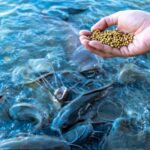
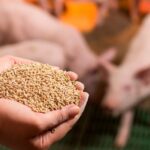
Farmers add fumaric acid to animal feed. Fumaric acid lowers the pH level in the stomach, helping animals better utilize digestive enzymes and thus absorb more protein and nutrients from their food. In addition, fumaric acid helps inhibit diarrhea and the growth of harmful bacteria in animals. Fish, chickens, pigs, and other animals are suitable for consuming fumaric acid.
| Benefit | Description |
|---|---|
| Growth Performance | Nile tilapia grow better when they eat food with fumaric acid. |
| Feed Efficiency | Fish use their food better and get more protein. |
| Gut Health | There are fewer bad bacteria in the gut, so animals are healthier. |
Fumaric acid helps animals grow and stay healthy. It helps good bacteria live in their stomachs.
Industrial and pharmaceutical uses
Factories use fumaric acid for many things. It is needed to make polyester resins for coatings and strong plastics. Factories also use it to control acid and pH in foods. In medicine, fumaric acid helps keep drugs stable and working well. Drug makers use it in medicine for psoriasis and multiple sclerosis. It also makes creams and lotions last longer and feel better.
- Used in medicine for malaria, allergies, and pain.
- Makes gels and products stronger in factories.
- Helps make cosmetics work better and last longer.
NORBIDAR sells good quality fumaric acid for food, animal feed, factories, and medicine.
Fumaric acid safety
Regulatory Status
Many countries consider fumaric acid safe for use in food. The U.S. Food and Drug Administration (FDA) classifies it as a food additive and recognizes it as a Generally Recognized As Safe (GRAS) substance. The European Food Safety Authority (EFSA) also considers fumaric acid safe and assigns it the designation E 297. Australia and New Zealand also permit the use of fumaric acid in food, similarly using designation 297. These regulations indicate that both natural and synthetic fumaric acid are safe.
| Region | Regulatory Approval Details |
|---|---|
| United States | FDA says fumaric acid is safe as a food additive and GRAS. |
| European Union | EFSA says fumaric acid (E 297) is safe and checks it often. |
| Australia/New Zealand | Fumaric acid is allowed in food with code number 297. |
Dietary suitability
Fumaric acid works for many diets. It does not have animal products. People who are vegetarian or vegan can eat it. It is also good for halal and kosher diets. Most companies make synthetic fumaric acid in labs or from plants. This means people who do not eat animal foods can use it. Always look at the label to make sure it fits your diet.
- Fumaric acid is made in labs or from plants, so it is good for halal diets.
- It does not come from animals, so vegetarians and vegans can eat it.
- It is okay for kosher diets.
- People should check labels for proof.
| Reason for Vegan Classification | Explanation |
|---|---|
| No Animal Products | Fumaric acid is made without animal products. |
| Safety for Consumption | It is safe to eat. |
| Compatibility with Dietary Laws | It works for halal and kosher diets. |
Health considerations
Most people can eat fumaric acid with no problems. It is safe in food and supplements. Some people may get mild side effects like headaches, diarrhea, or nausea. These are rare and happen to sensitive people. Eating a lot can hurt the kidneys or cause skin flushing. Using it for a long time can lower white blood cells. This can make it easier to get sick.
- High amounts may cause mouth pain.
- Rare allergies can cause a rash or hives.
- Some people get flushing, diarrhea, or nausea from fumaric acid esters.
| Health Effect | Description |
|---|---|
| Kidney Disorders | Eating a lot in a short time can hurt the kidneys. |
| Gastrointestinal Distress | Stomach problems can happen after eating fumaric acid. |
| Eye Irritation | Fumaric acid can bother the eyes. |
| Skin Flushing | Some people get red skin after eating it. |
| Lowered White Blood Count | Using it for a long time can lower white blood cells and make you get sick more easily. |
Fumaric acid is found in nature and also made by people. Natural sources have only a little of it. Factories can make much more using special methods. This helps the environment too. Fumaric acid is safe, so companies use it in many things. It is in food, medicine, plastics, animal feed, and cosmetics. The table below shows how useful it is:
| Application Area | Key Benefits |
|---|---|
| Food | Regulates acidity, preserves, enhances flavor |
| Pharmaceuticals | Improves drug stability and solubility |
| Resins and Plastics | Increases durability and resistance |
| Animal Feed | Boosts digestion and gut health |
| Cosmetics | Offers antioxidant effects |
FAQ
What are the main differences between natural and synthetic fumaric acid?
Natural fumaric acid is found in plants and fruits. Synthetic fumaric acid is manufactured in factories. They have the same structure and function in the same way.
Is fumaric acid safe for children and pregnant women?
Most experts believe that fumaric acid is safe for most people. This includes children and pregnant women, provided the dosage is within permissible limits. It is best to consult a doctor.
Can people with allergies use products containing fumaric acid?
Most people are not allergic to fumaric acid. In rare cases, some people may be allergic. If you have a history of allergies, read the label carefully and consult a doctor if in doubt.
Does fumaric acid affect the taste of food?
Fumaric acid gives food a sour taste. Food manufacturers use it to improve the flavor of candies, baked goods, and beverages.
Where can businesses purchase high-quality fumaric acid?
Businesses can purchase high-quality fumaric acid from trusted suppliers like NORBIDAR. NORBIDAR’s products are widely used in the food, animal feed, factory, and pharmaceutical industries.