Fumaric acid is not soluble in water due to its unique molecular structure and properties. The trans configuration prevents the molecules from effectively interacting with water, and its hydrophobic regions further hinder water from contacting the molecules. At 25°C, fumaric acid not soluble in water.
| Evidence Type | Description |
|---|---|
| Solubility Study | Although hydrogen bonds are crucial for solubility, the molecular structure of fumaric acid limits its ability to form effective hydrogen bonds with water, resulting in very low solubility. |
| Temperature Effect | Stronger hydrogen bonds at higher temperatures can slightly improve solubility, but fumaric acid not soluble in water remains a challenge. |
| Energetic Analysis | Dissolving depends on enthalpy and polar interactions, which are limited for fumaric acid not soluble in water. |
Key Takeaways
- Fumaric acid has a special trans shape. This shape makes it less polar. Because of this, it does not dissolve well in water.
- The molecule’s carboxyl groups are far apart. This makes hydrogen bonding with water weaker.
- Heating water can help fumaric acid dissolve better. More fumaric acid will dissolve in hot water than in cold water.
- Fumaric acid does not dissolve much in water. This is good for industries like food and pharmaceuticals. These industries need slow release and stability.
- Knowing the structure of fumaric acid helps us understand its behavior in water. It also explains how it is used in different products.
Structure of fumaric acid
Molecular formula and functional group composition
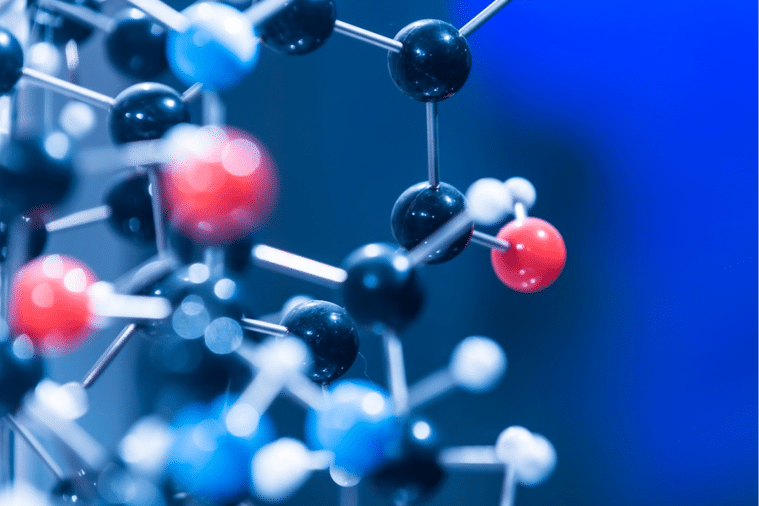
Fumaric acid is a simple organic molecule. Its molecular formula is C₄H₄O₄. It has two carboxyl groups, called -COOH. These groups help the molecule interact with water and other things. Carboxyl groups usually help molecules dissolve in water. They do this by making hydrogen bonds. But in fumaric acid, the way these groups are placed changes how well it mixes with water.
Structural characteristics of the trans isomer
Fumaric acid is a trans isomer. This means the two carboxyl groups are on opposite sides. The trans shape makes the molecule straight and even. Because of this, the dipoles from each carboxyl group point away from each other. They cancel out, so the molecule does not have a net dipole moment.
This means fumaric acid is not very polar. Water is a polar solvent and likes to dissolve polar things. Since fumaric acid not soluble in water, it does not mix well with water. The straight and even shape also makes it hard for water to break up the solid crystals.
| Compound | Solubility in Water (g/L) | Configuration | Polarity Impact on Solubility |
|---|---|---|---|
| Maleic Acid | 478.8 | Cis | More polar, mixes well with water |
| Fumaric Acid | 7 | Trans | Less polar, harder to dissolve in water |
The trans isomer can make hydrogen bonds with water, but not very strong ones. The carboxyl groups do not face each other. They cannot make strong intramolecular hydrogen bonds. This makes it harder for the molecule to mix with water. That is why fumaric acid not soluble in water.
Temperature changes how much fumaric acid dissolves. In cold water, only 0.63 grams will dissolve in one liter at 25°C. When water is hot, more fumaric acid can dissolve. This is because heat helps break the bonds in the crystals. The trans shape gives fumaric acid a high melting point and makes it stable. It needs more energy to dissolve.
| Temperature | Solubility of Fumaric Acid (g/L) |
|---|---|
| 25°C | 0.63 |
| Hot Water | Significantly higher than 0.63 |
Note: Fumaric acid’s special structure makes it good for slow-release uses, where you want it to dissolve slowly.
Analysis of the interaction between fumaric acid and water
Role of Hydrogen Bonds
Hydrogen bonds help molecules mix with water. Water molecules have strong hydrogen bonds because they are polar. Fumaric acid has two carboxyl groups. These groups can make hydrogen bonds with water. They are places where water can stick. The table below shows how fumaric acid and maleic acid compare:
| Compound | Hydrogen Bond Sites | Interaction with Water |
|---|---|---|
| Fumaric Acid | 2 | Makes stronger hydrogen bonds |
| Maleic Acid | 1 (intramolecular) | Has less interaction |
Fumaric acid can make hydrogen bonds at both carboxyl groups. Maleic acid makes a strong bond inside itself. This means it has fewer places for water to stick. This difference changes how each acid dissolves in water.
Water likes to connect with molecules that have open spots for hydrogen bonding. Fumaric acid gives water two places to stick, but its shape makes these bonds weaker.
Why Fumaric Acid Limits Water Interaction
The trans shape keeps the carboxyl groups far apart. This straight shape makes the molecule less polar. Water cannot easily surround and break the crystals. Without a strong dipole moment, water molecules do not get pulled in much. Fumaric acid not soluble in water because its shape stops water from making enough bonds.
- The straight shape packs molecules close together.
- Water has trouble breaking these tight bonds.
- The carboxyl groups point away from each other, so water cannot make strong links.
Fumaric acid’s weak interaction with water explains why it dissolves slowly and only a little. Even though it has places for hydrogen bonding, the shape and packing make it hard for water to work.
Fumaric Acid vs Maleic Acid: Solubility
Structural Characteristics of Maleic Acid
Maleic acid and fumaric acid have the same formula. Their shapes are not the same. Maleic acid has a cis shape. This means both carboxyl groups are on one side. Because they are close, maleic acid can make bonds inside itself. These bonds are called intramolecular hydrogen bonds. They make the molecule more polar. Water is also polar. So, water can mix with maleic acid easily. The strong polarity helps maleic acid dissolve better in water.
Fumaric acid is different. It has a trans shape. Its carboxyl groups are on opposite sides. This makes the molecules bond with each other, not inside themselves. These are called intermolecular hydrogen bonds. The structure is less polar. Water cannot mix with fumaric acid as well. So, fumaric acid does not dissolve much.
Think of maleic acid and fumaric acid like two bridges. Maleic acid’s bridge brings the ends close. Water can cross easily. Fumaric acid’s bridge keeps the ends far apart. Water has a hard time crossing.
Impact on Solubility
The different shapes change how well they dissolve. Maleic acid dissolves very well in water. Fumaric acid does not. The table shows how much each acid can dissolve:
| Acid | Solubility (g/L) at 20–25°C | Polarity Description |
|---|---|---|
| Maleic Acid | 478.8 | More polar due to cis configuration |
| Fumaric Acid | 7 | Less polar due to trans configuration |
- Maleic acid dissolves well because of its cis shape and strong polarity.
- Fumaric acid not soluble in water because its trans shape makes it less polar and harder for water to break apart.
Here is an easy way to remember:
- Maleic acid is like a sponge. It soaks up water fast.
- Fumaric acid is like a rock. It lets only a little water in.
This big difference shows that small changes in shape can change how something acts in water.
Quantitative data on the solubility of fumaric acid
Solubility of fumaric acid in water at different temperatures
Fumaric acid does not dissolve well in water. This is true at room temperature. Scientists measure how much dissolves in grams per milliliter. The molecules are packed very close together. Strong forces keep the crystals tight. Water cannot break these bonds easily.
The table below shows how fumaric acid and maleic acid are different:
| Property | Fumaric Acid | Maleic Acid |
|---|---|---|
| Hydrogen Bonding Sites | Two open sites for strong intermolecular bonds | One site used for intramolecular bond |
| Stability | More stable | Less stable |
| Crystal Packing | Orderly and compact | Crowded arrangement |
| Solubility in Water | Low | Higher |
Hot water can dissolve more fumaric acid. Heat gives energy to break the bonds. Cold water keeps the molecules close together. This is why fumaric acid not soluble in water when it is cold.
The effect of pH on the dissociation and dissolution of fumaric acid
pH changes how fumaric acid dissolves in water. When the pH is low, the acid stays whole. This form dissolves faster. When the pH goes up, the acid breaks apart more. It dissolves slower. The table shows how pH affects how much dissolves:
| pH Level | Specific Uptake Rate | Solubility/Dissolution Rate |
|---|---|---|
| 3.0 | Increased | Higher due to undissociated acid |
| 3.5 | Levels off | Moderate influence |
| 4.0 | Decreased | Lower due to less undissociated acid |
Fumaric acid has two pKa values, 3.0 and 4.4. These numbers show when the acid starts to change form. When pH matches pKa, the acid begins to break apart. This makes it dissolve slower.
Quality and purity are important for industry. NORBIDAR’s fumaric acid is very pure, above 99.0%. High purity helps it dissolve the same way every time.
| Aspect | Details |
|---|---|
| Purity Standards | USP grade ≥99.0% |
| Regulatory | FDA 21 CFR, USP-NF, ISO 9001 |
| Solubility | Low in cold water (~0.6 g/100ml at 20°C) |
| pH Impact | Strong acid effect, pKa values 3.0 and 4.4 |
Scientists use these numbers to guess how fumaric acid will act in different places. Crystal packing, strong forces, and pH all change how much dissolves.
Industrial Applications of Fumaric Acid
Fumaric acid used in many industries. It has special chemical properties. It does not dissolve easily in water. It also does not pull water from the air. This makes it useful in different places. Many companies pick fumaric acid because it stays dry. It does not change in wet air.
Advantages of Low Hygroscopicity in the Food Industry
Low hygroscopicity means fumaric acid does not take water from the air. This keeps powders and mixes dry. They do not stick together. In food, this is very important. Baking powders and drink mixes must stay loose. Fumaric acid helps keep them from clumping.
The table below shows how low hygroscopicity helps in food:
| Benefit | Description |
|---|---|
| Prevents Clumping | Fumaric acid stops powders from sticking together. Powders stay loose. |
| Improves Product Stability | Products last longer and stay good. |
| Ensures Consistent Performance | Every batch works the same way each time. |
| Ideal for Powdered Formulations | Fumaric acid is good for cake mixes and instant drinks. |
Food makers use fumaric acid as an acidulant. It gives food a sour taste. It also helps control pH. Because it does not take in water, food stays fresh. It is easy to use. This means companies can store and ship food without worrying about water ruining it.
Other industries use fumaric acid’s low hygroscopicity too:
- Beverage makers use it to add sour flavor and keep drinks fresh.
- Cosmetic companies use it to keep products stable.
- Pharmaceutical companies use it for stable medicines.
- Chemical makers use it to make resins for building and cars.
Fumaric acid does not absorb water. This makes it a great choice for many industries. Its stability helps companies make good products for people.
Fumaric acid not soluble in water because its trans shape keeps the carboxyl groups far apart. This shape stops strong hydrogen bonds from forming. The molecules stick together tightly and form hard crystals. Water cannot easily break these crystals apart. In factories, this helps control how fast fumaric acid dissolves. It also helps products stay stable for a long time. The table below shows how these features help in different ways:
| Property | Implication for Use |
|---|---|
| Thermal Stability | Keeps its sour taste even when baked at high heat. |
| Slow Dissolution Rate | Makes drinks and gum taste sour for a longer time. |
| Buffering Action | Helps keep the pH steady when making and storing food. |
| Compatibility with Ingredients | Stops bad reactions, so products stay good. |
| Solubility | Good for careful measuring and mixing by machines. |
FAQ
What is the main reason fumaric acid does not dissolve well in water?
Fumaric acid has a trans shape. The carboxyl groups are on opposite sides. This makes the molecule less polar. Water cannot break the strong bonds in its crystals easily.
Can heating water increase the solubility of fumaric acid?
Yes, hot water helps more fumaric acid dissolve. Heat gives energy to break the crystal bonds. More fumaric acid will mix in hot water than in cold.
How does fumaric acid compare to maleic acid in water solubility?
Maleic acid mixes with water much better. Its cis shape makes it more polar. Water can connect with it more easily. Fumaric acid’s trans shape makes this harder.
Why is low solubility important for some industrial uses?
Low solubility lets fumaric acid dissolve slowly. This helps in food, animal feed, and other products. It allows for slow release and keeps things stable.