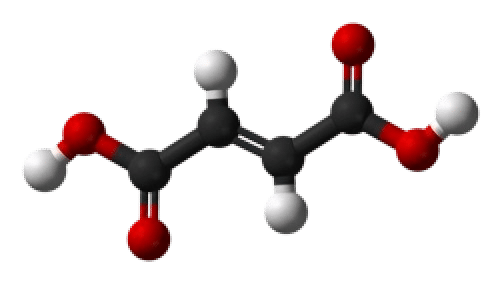
As a naturally occurring organic acid, fumaric acid stands out in food formulation for its enduring sour taste. Characterized by low water solubility, it releases sourness gradually instead of fading quickly. Scientific research verifies its effective antibacterial properties, with relevant data illustrated in the chart below. NORBIDAR supplies high-quality fumaric acid products for industrial food manufacturing applications.
Key Takeaways
- Fumaric acid delivers long-lasting sour flavor thanks to its slow water dissolution property.
- By lowering food pH levels, fumaric acid effectively restricts harmful bacteria growth and ensures food safety.
- NORBIDAR provides premium, safe-grade fumaric acid to preserve fresh taste and extend product shelf life.
Fumaric Acid Properties
Low Solubility
Fumaric acid features poor water solubility and dissolves gradually. This slow dissolution creates a long-lasting sour flavor, helping confectionery and beverages retain intense taste.
It also boosts leavening performance, enabling steady fermentation even in cold dough, and improves the texture of breads and cakes. Manufacturers adopt fumaric acid to maintain stable food quality throughout production and storage.
| Property | Description |
|---|---|
| Stability | Fumaric acid stays the same for a long time. |
| Low Solubility | It works well in food because it dissolves slowly. |
| Flavor Enhancement | It makes food taste better and last longer. |
Hydrophobicity
Fumaric acid is hydrophobic and insoluble in water, thus its interaction with oils and fats is particularly significant. It remains stable in high-fat food systems and releases its sour taste slowly.
Its dissolution rate varies depending on its physical form; crystalline fumaric acid dissolves more slowly, thus maintaining a persistent sour taste. Food manufacturers utilize this property to precisely control the acidity in finished products, ensuring consistent taste and freshness. Its hydrophobicity also guarantees its stability in high-fat food formulations. Furthermore, the production process allows for flexible adjustment of the sour taste release rate.
Low Moisture Absorption (Non-Hygroscopic)
This ingredient absorbs almost no moisture from the environment, effectively preventing clumping of powdered raw materials and keeping powdered products loose and easy to process.
It is widely used in beverage mixtures and ready-to-eat foods to prevent tablets from hardening and becoming sticky. Low hygroscopicity helps maintain a uniformly dry texture in food, reducing the risk of spoilage and preserving food quality during transportation.
High Buffering Capacity
Fumaric acid is an effective pH adjuster that stabilizes food acidity and inhibits microbial growth. While not as mainstream as citric acid and malic acid in acid regulation, it still provides reliable preservative effects.
Fumaric acid is commonly used in grape products and wines; the stable low pH environment extends shelf life and ensures food safety. It creates an acidic environment unfavorable to the growth of bacteria, yeast, and mold, thus further delaying food spoilage.
Fumaric Acid as a Food Additive and Preservative
Fumaric acid has antibacterial and preservative properties, inhibiting harmful microorganisms, including Listeria monocytogenes. When the pH of food is controlled below 5.5, the shelf life of baked goods can be extended to 35 days. Its preservative performance is superior to many common organic acids, ensuring food safety and health.
NORBIDAR’s High-Quality Fumaric Acid
NORBIDAR provides high-quality fumaric acid for industrial food production. Our products comply with multiple international certifications, including ISO 9001, HACCP, GMP, and REACH, and have obtained safety certifications from the FDA and EFSA.
| Certification/Standard | Description |
|---|---|
| ISO 9001 | Standard for good quality management |
| HACCP | Rules for food safety |
| GMP | Good ways to make products |
| REACH | Rules for chemicals in Europe |
| FDA | U.S. rules for safe and good products |
Fumaric Acid in Food Applications
Lasting Sourness in Food Products
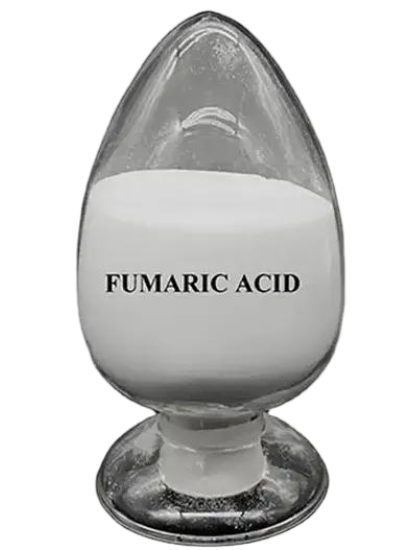
Widely adopted by food manufacturers, fumaric acid delivers intense, persistent sour notes. Its slow dissolution rate creates far longer-lasting sourness compared to citric acid, enriching beverages and snacks with vivid tart and fruity profiles, ideal for products requiring sustained acidic taste.
Common application scenarios:
- Fruit juices, carbonated drinks & instant powdered beverages
- Bread, cakes and muffins
- Sour candies, gummy treats and jellies
- Condiments, jams and preserves
- Dry premixes and baking powder
- Cheese and yogurt products
- Cured and processed meat
Its stable, potent sour taste earns wide popularity, helping maintain consistent flavor throughout food shelf life.
Benefits for Shelf Life and Flavor
Fumaric acid acts both as an effective acidulant and preservative. It elevates taste quality while securing food safety and prolonging storage time.
Boasting low hygroscopicity, it prevents powder caking and keeps dry ingredients intact. It also regulates food pH value to restrain microbial growth effectively.
Manufacturers favor this ingredient for its excellent performance in enhancing flavor, retaining freshness and reducing spoilage. Relevant functional effects are presented in the table below.
| Role | Description |
|---|---|
| Acidity Regulator | Keeps pH steady for taste and safety |
| Flavor Enhancer | Makes food taste better and more fun to eat |
| Preservative | Stops mold and bacteria, so food lasts longer |
Fumaric Acid vs. Citric Acid
Sourness Duration Comparison
Fumaric acid and citric acid are commonly used acidulants in food formulation. Fumaric acid delivers a longer-lasting and more potent sour flavor, owing to its slow dissolution rate that releases sourness gradually. In contrast, citric acid dissolves rapidly, producing an intense initial sour taste that fades quickly. The following table illustrates their differing sour performance in testing.
| Acid Type | Sourness Strength | Duration of Sourness | Cost Effectiveness | Mixing Ease |
|---|---|---|---|---|
| Fumaric Acid | Strong | Longer-lasting | Higher | Less Easy |
| Citric Acid | Mild | Shorter-lasting | Lower | More Easy |
Practical Differences in Food Additives
The two acidulants serve distinct purposes. Fumaric acid features acidity 1.5 times higher than citric acid, requiring lower dosage to achieve desired sourness. It is non-hygroscopic, keeping powdered products dry and preventing caking. Citric acid is widely applied in soft drinks and jams for its excellent solubility and mild tart flavor.
| Property | Citric Acid | Fumaric Acid |
|---|---|---|
| Taste Profile | Tart, fruity flavor | Stronger sour taste |
| Hygroscopicity | Hygroscopic, can lead to caking | Non-hygroscopic, prevents caking |
| Acidity | Less acidic than fumaric acid | About 1.5 times more acidic |
| Applications | Soft drinks, candies, jams | Dry mixes, powdered beverages |
| Cost Efficiency | May require more to achieve tartness | Less needed for same tartness |
Food manufacturers favor fumaric acid (FA) for use in dry powder mixtures, confectionery, and long-shelf-life foods. Fumaric acid lowers pH levels and inhibits harmful bacteria, including Listeria and E. coli, effectively ensuring food safety and freshness.
As a unique acidulant, fumaric acid is slow-dissolving and has low hygroscopicity, giving foods a lasting acidic flavor. It regulates food pH, maintains freshness, and optimizes taste, making it widely accepted by food manufacturers.
FAQ
Why is fumaric acid the preferred acidulant for manufacturers?
Fumaric acid releases its acidity slowly, allowing the sour taste of food to last longer. Manufacturers choose fumaric acid when they need to extend flavor. It also helps extend the shelf life of food.
How does fumaric acid help food suppliers extend shelf life?
Fumaric acid lowers the pH of food, thereby inhibiting bacterial growth. Suppliers use fumaric acid to keep food fresh and safe, preventing spoilage during storage.
Why do factories trust NORBIDAR’s fumaric acid?
Factories trust NORBIDAR because of their extensive expertise, important certifications, and consistently superior performance.