Rhizopus oryzae and Rhizopus nigricans are the primary fungi utilized in fumaric acid production. Many fumaric acid manufacturers choose these fungi due to their high efficiency. As shown in the table below, Rhizopus oryzae can yield up to 0.93 grams of fumaric acid per gram of glucose and achieve concentrations as high as 32.1 grams per liter.
| Species | Fumaric Acid Yield (g/g glucose) | Fumaric Acid Concentration (g/L) |
|---|---|---|
| Rhizopus oryzae | Up to 0.93 | Up to 32.1 |
| Rhizopus nigricans | N/A | N/A |
NORBIDAR stands out among fumaric acid manufacturers by leveraging advanced technology and a commitment to high purity. For those interested in how fumaric acid is made, the process involves specialized fermentation techniques using these specific fungi, ensuring efficient and reliable fumaric acid production.
Key Takeaways
- Rhizopus oryzae is the main fungus used to make fumaric acid. It can make up to 0.93 grams of fumaric acid from one gram of glucose. – Filamentous fungi like Rhizopus are good for the environment. They use things that can be replaced and make less waste when making fumaric acid. – New fermentation methods help make fumaric acid faster and cheaper. This helps companies save money. – Fumaric acid is used in many ways. It helps keep food fresh, feeds animals, and is used in factories. This shows it is important in many areas. – NORBIDAR is known for making very pure fumaric acid. They always keep the quality high, so it is safe and dependable for people to use.
Key Fungi for Fumaric Acid Production
Rhizopus oryzae and Its Role
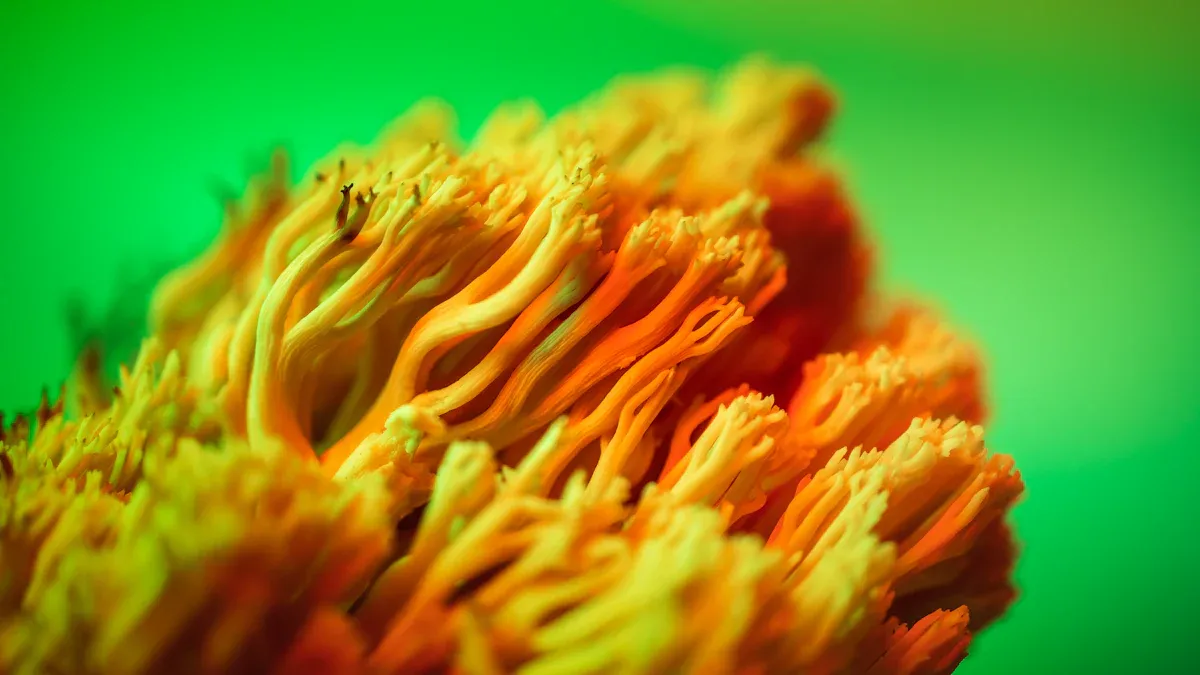
Rhizopus oryzae is the main fungus used to make fumaric acid. Many scientists and companies pick this fungus because it gives good results. It can make between 25 and 103 grams of fumaric acid in each liter. The fungus works best when there is not much nitrogen. This helps it make more fumaric acid. Experts have copied the FUM-encoding gene from Rhizopus oryzae and put it in other living things. This shows how important the fungus is for making fumaric acid. The enzyme from Rhizopus oryzae grabs its substrate very well. This makes the process work better.
Tip: Rhizopus oryzae can make up to 1.21 grams of fumaric acid in one liter every hour. This is why it is a top pick for big factories.
Other Rhizopus Species Used
Other Rhizopus fungi also help make fumaric acid. These are Rhizopus arrhizus, Rhizopus nigricans, and Rhizopus formosa. Each fungus has special strengths for different jobs. For example, Rhizopus arrhizus is used by big companies to make thousands of tons of fumaric acid every year. Studies show wild types of these fungi can make a lot of fumaric acid. They do even better when grown on things like oil palm waste.
| Fungi Species | Production Capability (g/L) | Notes |
|---|---|---|
| Rhizopus arrhizus | 121 | Used by Pfizer to make 4000 tons each year |
| Rhizopus oryzae | 32.1 | Another strong producer |
| Rhizopus nigricans | N/A | Good producer |
| Rhizopus formosa | N/A | Good producer |
| Aspergillus genus | N/A | Can make useful amounts |
| E. coli | N/A | Can be changed by scientists |
| Lactobacillus genus | N/A | Can be changed by scientists |
Filamentous Fungi Advantages
Filamentous fungi like Rhizopus have many benefits for making fumaric acid. These fungi can break down plant parts and farm waste. This means they can use things that grow again and again. It helps make the process better for the planet. Filamentous fungi also make acids that lower the pH around them. This helps them win against other microbes and clean up metals. They can turn many kinds of plant waste into useful things like biodegradable plastics.
Factories like filamentous fungi because they save money and work fast. Myceliophthora thermophila is another fungus that can make fumaric acid well using plant waste. This helps lower costs and supports green ways to make products.
Note: Filamentous fungi help create earth-friendly choices instead of chemicals made from oil.
Why Rhizopus Fungi Are Preferred
High Yield and Efficiency
Many companies pick Rhizopus fungi for making fumaric acid. These fungi give a lot of fumaric acid. They use cheap materials, so costs stay low. They make few extra products, so cleaning is easier. They grow well with simple food, so growing them is not expensive. Their process is good for the planet and uses less energy than chemicals.
Rhizopus delemar is one of the best types for this job. If scientists change how they grow, the fungi can make even more acid. These reasons make Rhizopus fungi a top pick for big factories.
Note: Using Rhizopus fungi helps companies save money and keeps nature safe.
Metabolic Pathways for Fumaric Acid
Rhizopus fungi use special enzymes to make fumaric acid. Two important enzymes are malate dehydrogenase and fumarase. These enzymes help turn food into fumaric acid in the tricarboxylic acid cycle. Scientists have put these enzymes in other living things, like yeast, to make more acid. This shows these pathways are very important for making fumaric acid well.
Adaptability to Fermentation Methods
Rhizopus fungi work well with many fermentation methods. This helps factories make more acid and makes the job easier. The table below lists some methods and their good points:
| Method | Description |
|---|---|
| Pellet Formation | Small pellets stop clumping and help air move for better results. |
| Rotary Biofilm Contactor | Good air and food movement without extra mixing. |
| Immobilization Techniques | Fungi grow on supports, so work can keep going and more acid is made. |
Putting fungi on carriers helps air and food move better. This means more acid is made and cleaning up after is easier.
Fumaric Acid Production Process with Fungi
Seed Culture and Fermentation Stages
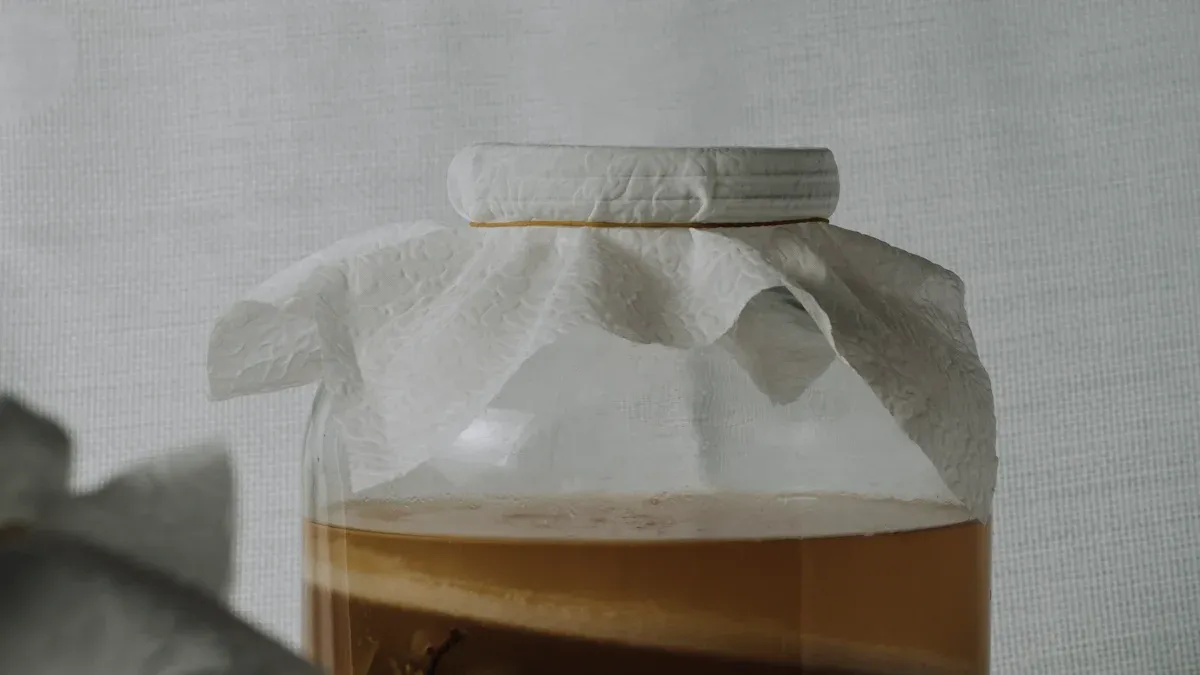
Making fumaric acid starts with careful planning. Scientists use steps to help fungi grow well and make acid.
- First, workers prepare the microbial inoculum. They move a small piece of fungus from a stock culture into a liquid medium. Everything is kept clean and germ-free.
- The growth medium has nutrients. It gives carbon from glucose, nitrogen from peptones, and other needed things.
- Next, they scale up the process. Cultures grow in Erlenmeyer flasks first. Then, they move to bigger containers for more production.
During seed culture, the medium gives carbon and nutrients. It has minerals, nitrogen, and amino acids. In the acid stage, workers lower the nitrogen. This helps the fungus make more fumaric acid. They add a neutralizer to keep the pH right. This also removes extra products and gives carbon dioxide.
Tip: NORBIDAR uses strict rules to make sure the acid is very pure.
Anaerobic and Submerged Techniques
Factories use anaerobic and submerged fermentation to make fumaric acid. Anaerobic fermentation means fungi grow without oxygen. This helps them make more acid. Submerged fermentation lets fungi grow in liquid. This helps mix things and control nutrients. Both ways help the process work well and stay steady.
NORBIDAR uses advanced technology for fermentation. Their team checks each step to keep the product good and the same.
Advances in Immobilized Fungi
New ideas have made immobilized fungi work better for making fumaric acid. Scientists found new ways and picked better materials. The table below shows two big improvements:
| Advancement | Description |
|---|---|
| Revised Nitrogen Control Strategy | This helps keep production going by changing nitrogen levels. |
| Selection of Raw Materials and Process Development | Picking better materials and ways helps save energy. |
NORBIDAR spends money on research and new ideas. Their hard work brings better results and uses less energy.
Fumaric Acid Applications
Food and Beverage Uses
Fumaric acid is used in lots of foods and drinks. It helps keep food fresh by stopping bacteria. In sodas and juices, it makes the taste sour and stronger. Bakers use it to control pH in dough. This helps bread rise and makes it soft. Candy makers add it for a tangy taste and better texture. NORBIDAR’s fumaric acid is very pure. Food companies trust it for quality.
- Keeps food fresh as a preservative
- Makes drinks taste sour and better
- Controls pH in bread and cakes
- Improves taste and texture in candy
| Application | Benefits |
|---|---|
| Baked Goods | Strong dough, soft bread, sour taste |
| Confectionery | Tangy flavor, stays fresh, no clumps |
| Beverages | Sour taste, steady pH, stops extra bubbles |
| Jams/Jellies | Makes jelly firm, keeps it fresh longer |
Animal Nutrition Benefits
Farmers put fumaric acid in animal food. It helps animals digest food and grow faster. Fish like Nile Tilapia grow better with it. Lambs gain more weight when they eat it. Encapsulated fumaric acid helps cows and sheep make less methane. This is good for the planet.
| Study Focus | Findings | Results/Notes |
|---|---|---|
| Fish Diets | Nile Tilapia grow bigger | Not much research for fish food |
| Encapsulated Fumaric Acid | Less methane from cows and sheep | 19% less methane (P<0.05) |
| Growth in Lambs | Lambs gain more weight | 43g more per kg food (P=0.605) |
Industrial, Personal Care, and Pharmaceutical Uses
Factories use fumaric acid in many things. It helps make plastics and coatings stronger and safer. In creams and shampoos, it keeps pH balanced. This helps skin stay healthy. Medicine makers use it for psoriasis and other illnesses. It is also used in printer toner, paper, and dyes for clothes. NORBIDAR makes sure its fumaric acid is very pure. This keeps products safe and works well.
| Industry | Application Description |
|---|---|
| Pharmaceuticals | Used in allergy, malaria, and skin medicines |
| Personal Care | Keeps pH right in creams, helps skin stay healthy |
| Textile | Makes dyes last longer and look better |
| Paper | Helps paper print better and look nice |
| Printer Toner | Makes smooth powder for printers |
| Renewable Energy | Can help make energy in new ways |
NORBIDAR uses smart technology and strict rules. Its fumaric acid is safe and trusted for food, health, and industry.
Recent Innovations in Fumaric Acid Production
Metabolic Engineering of Fungi
Scientists have changed fungi to make more fumaric acid. They made Rhizopus oryzae produce extra ppc enzyme. This increased the yield by 26%. They also boosted genes like fumarase and fumarate reductase. These genes help in the citric acid cycle. Some teams improved the glyoxylate cycle for better results. Others stopped fungi from making unwanted side products. New studies look at changing mitochondria and cofactors. These steps help fungi use resources better and make more acid.
- Making more key enzymes helps fungi produce more.
- Boosting citric acid cycle genes makes fungi work faster.
- Stopping side-product pathways keeps the acid pure.
- Future research will use new cell techniques and global regulation.
Sustainable and Scalable Methods
Many companies now use greener ways to make fumaric acid. They turn farm waste into useful products. The table below shows some new methods:
| Method | Description | Source |
|---|---|---|
| Fumaric acid production from oil palm EFB | Uses oil palm empty fruit bunches, a common farm residue. | Jeon et al., 2014 |
| Use of lignocellulosic biomass | Converts plant leftovers into acid, reducing waste. | Carta et al., 1999 |
| Optimization of fermentation processes | Improves how fungi grow and make acid from many sources. | Liao, Liu & Chen, 2007 |
Better growing techniques and nutrient control help factories make more acid. Real-time monitoring tools help teams watch fermentation closely. These tools make the process safer and more reliable.
Tip: Using farm waste and smart technology helps save money and protect nature.
Future Trends in Fungal Fermentation
Experts think big changes are coming soon. More companies will use bio-based methods instead of old ones. By 2024, about 22% of new capacity will use fermentation. Better fungal strains and genetic engineering have raised yields by 15%. This lowers costs and helps meet demand for natural products. Clean-label and natural acidulants are getting popular. By 2025, almost 18% of new foods will use fumaric acid made by fungi. The global market is growing fast, with a projected increase of USD 400.2 million and a 7.44% yearly growth rate from 2023 to 2028.
- Bio-based production is taking over old ways.
- Genetic changes help fungi work better.
- More people want natural ingredients.
- The market for fungal fermentation is growing quickly.
Rhizopus oryzae and other Rhizopus fungi help factories make fumaric acid. These fungi give a lot of acid and work with new fermentation ways. Better production methods make the acid cleaner, but they can cost more money. NORBIDAR is special because it gives very pure fumaric acid for food, medicine, farming, and personal care. The table below shows what NORBIDAR does well:
| Aspect | Description |
|---|---|
| Purity | Very pure acid keeps people safe and works well |
| Consistent Quality | Every batch has the same good quality |
| Reliable Use | Works in animal food and many other things |
NORBIDAR’s steady supply helps factories and makes life better for people every day.
FAQ
What is the main fungus used for fumaric acid production?
Rhizopus oryzae is the main fungus. Many factories pick it because it makes a lot of fumaric acid. Rhizopus nigricans is also used sometimes.
Why do companies prefer fungal fermentation for fumaric acid?
Fungal fermentation uses things that can grow again. It makes less trash. Companies think it saves money and is good for nature.
How does NORBIDAR ensure high purity in its fumaric acid?
NORBIDAR uses smart machines and strong checks. Every batch is tested to make sure it is clean and safe.
Where can fumaric acid from NORBIDAR be used?
- Food and drinks
- Animal feed
- Industrial products
- Personal care items
- Medicines
NORBIDAR’s fumaric acid is useful in many areas.