
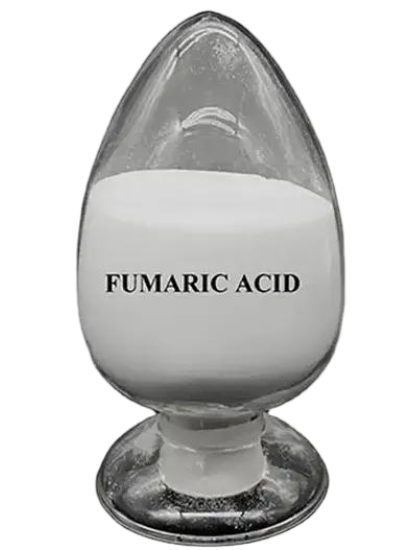
Many foods contain fumaric acid. Apples, papayas, spinach, and mushrooms naturally contain fumaric acid. Processed foods, such as tortillas, candies, and dairy products, often have fumaric acid added as an additive. This compound improves the texture of food and helps maintain its freshness and stability. NORBIDAR provides high-quality fumaric acid to the food and other industries, helping to improve taste and ensure product safety.
Key Takeaways
- Fumaric acid is found in many foods, such as apples, papayas, and mushrooms. Eating these fruits and vegetables allows you to ingest more of this beneficial compound.
- Processed foods, such as baked goods and candies, often contain fumaric acid. It improves the texture of food and keeps it fresh, making these foods more appealing.
- Fumaric acid is a natural preservative. It lowers the pH of food, inhibiting the growth of harmful bacteria and ensuring food safety.
- Using fumaric acid in cooking can improve the texture of baked goods. It strengthens the gluten in dough, making bread and cakes taste better.
- Fumaric acid is safe to consume. The U.S. Food and Drug Administration (FDA) and other agencies have stated that fumaric acid is safe for use in food at normal consumption levels.
Foods Rich in Natural Fumaric Acid
Fruits Rich in Fumaric Acid
Many fruits contain fumaric acid, but the amounts vary. Apples, papayas, pears, and plums are common foods rich in natural fumaric acid. Watermelons and grapes also contain this compound, but in lower amounts than other acids such as citric acid or malic acid. Although these fruits are low in fumaric acid, they can still supplement the fumaric acid we get from natural foods. These fruits can be eaten raw, juiced, or added to fruit salads.
Tip: Apples and papayas are rich in fumaric acid, making them typical examples of fruits rich in fumaric acid.
Vegetables and Mushrooms
Vegetables and mushrooms also contain fumaric acid. Radishes are an important source of fumaric acid, especially in their leaves, stems, and shoots. Other vegetables, such as tomatoes and carrots, also contain fumaric acid, but in lower amounts. Mushrooms, such as porcini and lichen, are also natural sources of fumaric acid. People use these vegetables and mushrooms in salads, soups, and cooked dishes.
| Vegetable/Mushroom | Fumaric Acid Presence |
|---|---|
| Radish (leaves, stems, sprouts) | High |
| Tomatoes | Confirmed |
| Carrots | Confirmed |
| Porcini Mushrooms | Confirmed |
| Bolete Mushrooms | Confirmed |
Other Natural Sources
Some less common foods and plants also contain fumaric acid. Iceland moss (a type of lichen) is one of them. Orange lichen (Usnea aurantiaco-atra) and corydalis (Fumaria officinalis) also contain this compound. These foods are not as common as fruits or vegetables, but some people use them in traditional diets and herbal remedies. For example, Iceland moss is both edible and used for health purposes in some regions.
Icelandic moss and other sources contain lower levels of fumaric acid than some fruits and vegetables. Nevertheless, they add new options to the list of natural fumaric acid sources. Those who want to try more foods rich in natural fumaric acid can explore these sources.
Processed Foods Containing Fumaric Acid
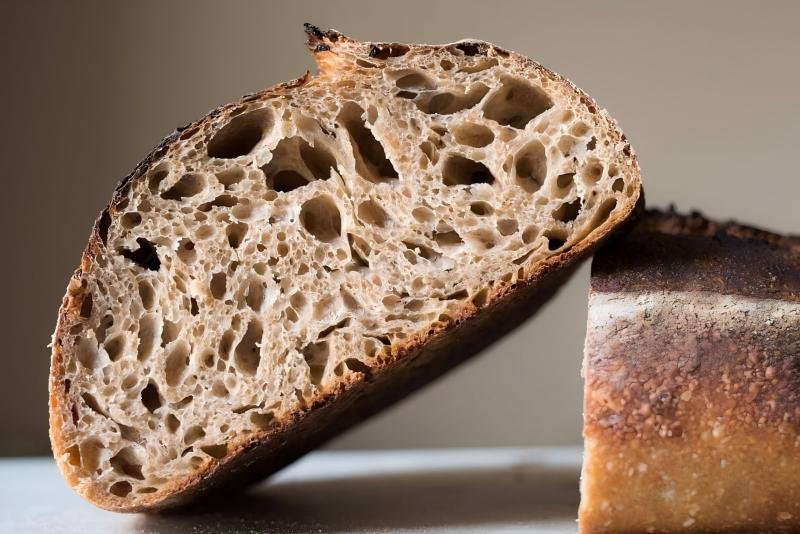
Many processed foods contain fumaric acid. Manufacturers add fumaric acid to improve the taste and extend shelf life of foods, and it also helps improve their texture. The table below lists the applications of fumaric acid in various foods:
| Food Category | Application Description |
|---|---|
| Beverages | Makes drinks more sour and controls acid in juices and sodas. |
| Baked Goods | Makes dough stronger and keeps bread, cakes, and muffins fresh. |
| Confectionery | Gives a strong sour taste and better texture to candies and gummies. |
| Processed Foods | Improves taste, controls acid, and helps sauces and jams last longer. |
| Dry Mixes and Powders | Stops powders from sticking together and keeps them dry. |
| Dairy Products | Balances acid and makes cheese and yogurt taste and feel better. |
| Cured Meats | Keeps the right pH and helps meats stay fresh. |
Baked Goods and Tortillas
Bread, cakes, muffins, and tortillas typically contain fumaric acid. It strengthens the dough and helps maintain the freshness of baked goods. Fumaric acid regulates pH, preventing tortillas from spoiling and keeping them soft. Many bakeries use NORBIDAR fumaric acid in these products.
Candy, Jelly, and Gummy Candies
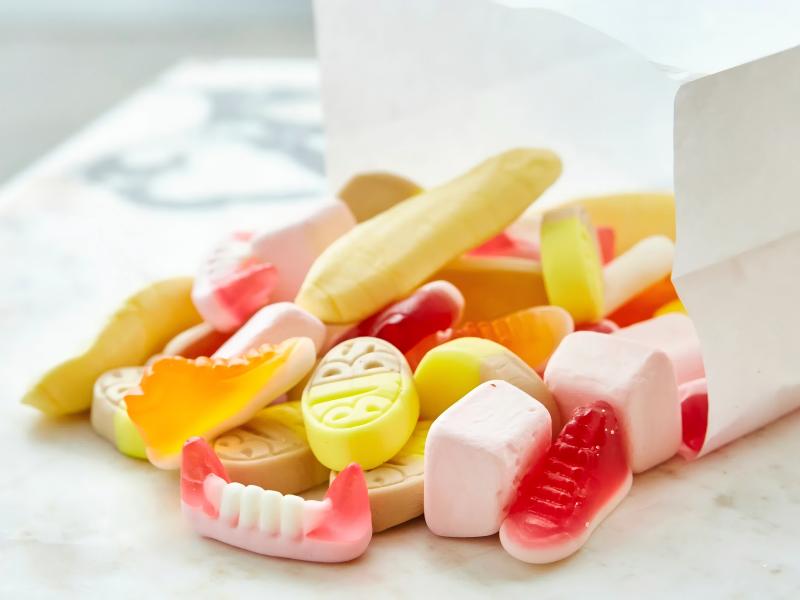
Candy, jelly, and gummies use fumaric acid to give them their rich tart flavor. It also balances fruit flavors and maintains the chewiness of the candy. In jelly candies, it helps maintain the gel’s firmness and prevents it from sticking together. The rich flavor of tart gummies is also due to fumaric acid. Furthermore, it prevents moisture from penetrating, thus extending the shelf life of the candy.
Tip: Fumaric acid is used in very small amounts in candy making, thus saving costs.
Dairy Products and Chocolate Milk
Cheese, yogurt, and chocolate milk also use fumaric acid. It balances acidity, making them taste better. In chocolate milk, fumaric acid helps maintain the smoothness and freshness of the beverage. Cheese manufacturers also use it to aid in cheese maturation and extend shelf life.
Powdered Beverages and Dry Powder Mixtures
Powdered beverages and dry powder mixtures need to be kept dry and loose. Fumaric acid stabilizes acidity and prevents clumping. Instant beverage powders use fumaric acid to impart their sourness and keep the powder dry. This helps products stay fresh on the shelf. NORBIDAR provides food-grade fumaric acid for these products.
Applications of Fumaric Acid in Food: Uses and Benefits
Flavor and Sourness
Fumaric acid helps enhance the taste of food. Many companies add fumaric acid to foods to give them a rich sour taste. This sourness lasts longer than citric acid or malic acid. Fumaric acid can balance the flavor of sweet foods and bring out the flavor of fruits. It can also mask unpleasant aftertastes, enriching the flavor of food. In candy and chewing gum, fumaric acid melts slowly, allowing the sour taste to linger in the mouth longer. Compared to other acids, less fumaric acid is needed to achieve the same acidity, saving costs for businesses.
Fumaric acid helps maintain the pH stability of beverages and baked goods, contributing to the preservation of color and flavor. When used in combination with other acids, it can enhance the flavor of fruits.
| Aspect | Fumaric Acid | Citric Acid (Comparison) |
|---|---|---|
| Sourness | Long-lasting, strong flavor | Needs more acid for same effect |
| Buffering Capacity | Maintains pH near 3.0 | Weaker buffer near pH 3.0 |
| Cost Efficiency | More effective, less needed | Less efficient, more needed |
Preservatives and pH Adjusters
Fumaric acid does much more than just add flavor. It also acts as a preservative and a pH adjuster. Fumaric acid can lower the pH of food, thereby inhibiting the growth of bacteria, mold, and yeast. This helps food stay safe and fresh for longer. It can also kill some bacterial spores and reduce the number of harmful bacteria such as Listeria and E. coli. In dried goods, cider, and vegetables, fumaric acid can extend the stability and freshness of the food.
| Evidence Description | Effectiveness | Food Types |
|---|---|---|
| Inhibits growth of putrefactive bacteria by destroying bacterial spores. | Helps keep food fresh for longer. | Dry foods |
| Inhibits growth of harmful bacteria like Listeria monocytogenes and E. coli O157:H7. | Significantly reduces E. coli in cider and broccoli sprouts. | Cider, broccoli sprouts |
| Lowers pH of food, inhibiting survival of bacteria, mold, and yeast. | Ensures food safety and freshness. | Lettuce, cabbage |
Fumaric acid can also improve the quality of dough in baked goods. It strengthens gluten, making dough easier to work with, thus improving the volume and texture of bread and cakes. In animal feed, fumaric acid helps animals maintain stomach health and promotes growth and development. It reduces harmful bacteria and helps animals digest food.
| Application Area | Contribution to Shelf Life |
|---|---|
| Plant-based products | Enhances flavor and improves stability |
| Functional snacks | Used for flavor enhancement and shelf-life extension |
| Processed meats and seafood | Important as a preservative and acidity regulator |
Fumaric acid (FMA) is beneficial for promoting clean labeling. It is suitable for vegans, vegetarians, and is non-GMO. Many foods use FMA because of its effectiveness and ability to maintain food stability.
Safety of Fumaric Acid in Food
Regulatory Status
Food safety organizations have evaluated FMA and established rules for its use. The U.S. Food and Drug Administration (FDA) allows companies to add FMA to food, but stipulates that the content of FMA in food must not exceed 0.1% (by weight). Many other countries also allow the use of FMA as a food additive, under the trade name E297. These regulations ensure the safety of food for all.
Note: The FDA and other agencies monitor the latest research findings. They are committed to ensuring the safety of food additives such as FMA for human health.
Fumaric acid is also used in other industries. In the pharmaceutical field, it helps in the production of drugs to treat anemia, asthma, and immune system disorders. Personal care products utilize FMA to balance pH and act as an antioxidant. It can also improve the feel of creams and hair care products.
| Application Area | Use of Fumaric Acid |
|---|---|
| Personal Care Products | Balances pH, acts as antioxidant, helps creams and lotions, improves hair products |
| Pharmaceuticals | Used in iron pills, asthma medicine, and immune drugs |
Health Considerations
Most people can safely consume foods containing fumaric acid. The U.S. Food and Drug Administration (FDA) states that fumaric acid is safe to consume at normal doses. It keeps food fresh by inhibiting bacteria and mold. The upper limit of safe daily intake is 6 mg per kilogram of body weight.
Some people may experience mild side effects if they consume too much, such as stomach pain, nausea, diarrhea, or skin redness. These symptoms usually disappear quickly. Allergic reactions are rare, but some people may experience mild stomach upset.
| Side Effect | Description |
|---|---|
| Stomach Problems | Eating a lot can cause nausea, vomiting, and diarrhea. |
| Allergic Reactions | Touching it can cause skin irritation or trouble breathing. |
| Kidney and Liver Stress | High doses can stress these organs, but this is rare in food use. |
Most people do not experience any problems after consuming foods containing fumaric acid. However, to ensure safety, please use fumaric acid in moderation.
Many foods contain fumaric acid, including both natural and processed foods. The table below lists some important information:
| Source/Application | Description |
|---|---|
| Natural Sources | Found in bolete mushrooms and Iceland moss. |
| Processed Foods | Put in baked goods, drinks, and fresh beef for taste and to keep food safe. |
| Food Additive | Used to make food taste better and last longer. |
| Acid Strength | It is about 1.5 times stronger than citric acid. |
The U.S. Food and Drug Administration (FDA) and the European Food Safety Authority (EFSA) have stated that fumaric acid is safe in food. NORBIDAR adheres to strict regulations including GMP, GLP, ISO, and STAR-K kosher certification. Consumers should carefully read food labels and consult an expert if they have any questions.
FAQ
What are the uses of fumaric acid in food?
Fumaric acid imparts an acidic flavor to food, helps preserve freshness, and extends the shelf life of products. Food manufacturers add it to baked goods, confectionery, beverages, and dairy products.
Is fumaric acid safe to consume?
Yes, the U.S. Food and Drug Administration (FDA) and other agencies have stated that fumaric acid is safe. Most people will not experience any problems after consuming fumaric acid. As long as it is consumed in normal amounts, fumaric acid is safe.
Which foods naturally contain fumaric acid?
Fruits such as apples and papayas contain fumaric acid. Vegetables such as radishes and spinach also contain fumaric acid. Mushrooms, including porcini mushrooms, also contain fumaric acid. Some lichens, such as Iceland moss, also contain fumaric acid.
How can you determine if a food contains fumaric acid?
Check the ingredient list on the packaging. Fumaric acid may be listed as “fumaric acid” or “E297”.
Are there any other uses for fumaric acid besides food?
| Use Area | Example Products |
|---|---|
| Animal Nutrition | Animal feed |
| Pharmaceuticals | Medicines for skin or nerves |
| Personal Care | Creams, lotions |