Fumaric acid is found in many places. People can find it in plants, fungi, fruits, foods, drinks, and even inside the human body. Companies use fumaric acid in food, animal feed, plastics, cleaning products, personal care items, and medicine. NORBIDAR gives high-quality fumaric acid for these things. This compound is very safe and useful in many industries. The global market for fumaric acid in food and other uses is still growing, as you can see below:
| Category | Value (2024) | Projected Value (2030) | CAGR (%) |
|---|---|---|---|
| Global Fumaric Acid Market | $1.5 Billion | $2.0 Billion | 4.9% |
| Food Additives Application | N/A | $1.0 Billion | 5.5% |
Key Takeaways
- Fumaric acid is in many natural things like plants, fruits, mushrooms, and lichens. Eating foods such as apples and tomatoes gives you this compound.
- Food companies add fumaric acid to make food taste better. It helps control how sour food is and keeps it fresh longer. You can find it in drinks and baked goods.
- Farmers put fumaric acid in animal feed to help animals digest food better. It helps animals grow faster and keeps the feed from going bad.
- Fumaric acid is in personal care products for skin health. It can help treat skin problems like psoriasis and make skin look better.
- NORBIDAR gives high-quality fumaric acid to many industries. This makes sure it is safe and works well in food, medicine, and cleaning products.
Natural sources of fumaric acid
Fumaric acid in plants and vegetables
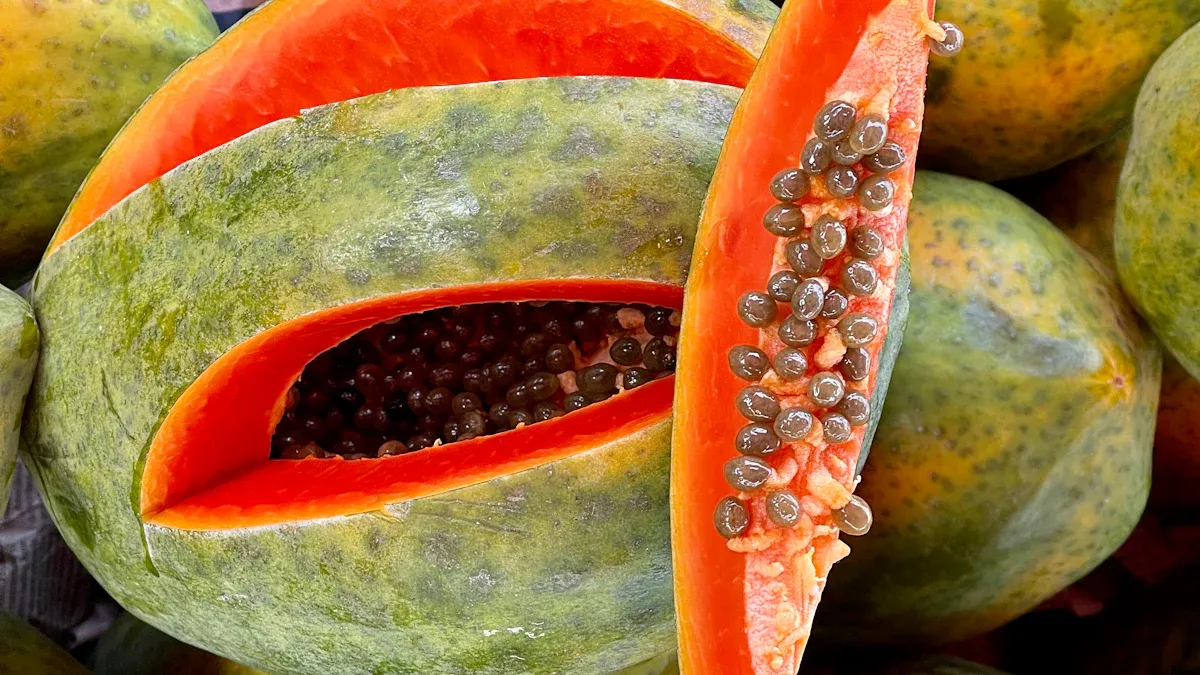
Fumaric acid is found in many plants and vegetables. Scientists discovered it in Arabidopsis, a small plant used for research. As Arabidopsis gets older, it has more fumaric acid in its leaves. More sunlight also increases the amount. When the plant does not get enough water, the level goes up in the phloem. Tomatoes and carrots have fumaric acid too. The amount can change with the plant’s age and the environment.
Tip: Farmers and gardeners can help plants make more fumaric acid by giving enough light and checking water often.
Fumaric acid in fruits and mushrooms
Fruits like apples, grapes, and berries have fumaric acid. Eating these fruits gives people this compound. Mushrooms also have fumaric acid. Scientists found it in Boletus badius, a mushroom people can eat. Mushrooms from clean and dirty places both have fumaric acid. The amount in each mushroom is different, but many types have this acid.
- Apples, grapes, and berries have fumaric acid in fruit.
- Boletus badius and other mushrooms have organic acids like fumaric acid.
Fumaric acid in lichens and mosses
Lichens and mosses are natural sources of fumaric acid. Some fungi, like those in the Rhizopus group, make this compound. These grow in forests, on rocks, and in wet places. Lichens and mosses help break down things and release fumaric acid into nature.
| Source Type | Examples |
|---|---|
| Fruits | Apples, Grapes, Berries |
| Vegetables | Tomatoes, Carrots |
| Fungi and Lichens | Species of the genus Rhizopus |
Fumaric acid in foods and beverages
Fumaric acid as a food additive
Food companies use fumaric acid to make food taste better. It helps control how sour food is and keeps food fresh longer. The FDA says fumaric acid is safe to use in food. In Europe, EFSA also approves it and calls it E297. Australia, New Zealand, China, and Taiwan let people use it in food and drinks.
Note: Food safety groups decide how much fumaric acid can go in food. The FDA says foods can have up to 0.1% by weight. EFSA says people can eat 10 mg for each kilogram they weigh every day.
| Regulatory Agency | Status in Food Products | Acceptable Daily Intake (ADI) |
|---|---|---|
| US FDA | GRAS | 0-10 mg/kg body weight/day |
| EFSA | Approved | 10 mg/kg body weight/day |
Fumaric acid in drinks and juices
Drink makers add fumaric acid to many drinks. It gives drinks a sour taste and helps keep them safe from germs. Soft drinks, fruit juices, and health drinks often have fumaric acid. Wine makers use it to stop bad fermentation and keep wine clear.
| Food Category | Use of Fumaric Acid |
|---|---|
| Soft drinks and sodas | Controls sourness and makes drinks taste better |
| Fruit juices and drinks | Adds tartness and keeps color and flavor stable |
| Nutraceutical beverages | Makes drinks taste good and stops germs from growing |
| Wine | Stops bad fermentation and keeps wine clear |
Fumaric acid in baked goods and candy
Bakeries and candy makers use fumaric acid for many reasons. It helps control pH, which changes how dough grows and proofs. In bread, tortillas, and cake mixes, it makes the texture better and helps products rise. In sour candies and gummies, it gives a strong sour taste and keeps candy chewy.
- Controls pH for chewy gummies.
- Makes food last longer by lowering pH and stopping germs.
- Makes dough softer and easier to work with.
- Improves taste and keeps baked goods fresh.
| Benefit | Description |
|---|---|
| pH Control | Helps yeast work and makes dough proof better. |
| Texture Enhancement | Makes baked goods lighter and fluffier. |
| Shelf Life Extension | Keeps food fresh by stopping spoilage. |
| Cost Efficiency | Saves money by making baking easier. |
Tip: Many packaged foods like bread, tortillas, drink mixes, sour candies, and dessert mixes use fumaric acid to control acidity.
Commercial and industrial uses of fumaric acid
Fumaric acid in animal feed
Farmers add fumaric acid to animal feed to help animals grow. It keeps the stomach acidic, which helps good bacteria live. This makes digestion better for animals. The feed tastes better, so animals eat more. Fumaric acid also keeps feed fresh by stopping mold and germs. Studies show pigs and chickens grow faster with it. They need less feed to gain weight. In fish farming, it helps tilapia grow and keeps their guts healthy. Some research says cows and sheep make less methane when eating this feed.
| Benefit | Description |
|---|---|
| Improved Digestion | Maintains stomach acidity and supports good bacteria. |
| Enhanced Feed Palatability | Makes feed taste better, so animals eat more. |
| Feed Preservation | Stops mold and bacteria, keeping feed fresh. |
| Growth Performance | Helps animals grow faster with less feed. |
| Environmental Impact | May lower methane from cows and sheep. |
| Aquaculture Benefits | Improves growth and gut health in fish. |
NORBIDAR gives high-quality fumaric acid for animal feed. This helps farmers get better results and healthier animals.
Fumaric acid in resins and plastics
Factories use fumaric acid to make special polyester resins. These resins are used for fiberglass, boats, and pipes. Fumaric acid helps the resins harden faster. This makes making things quicker and easier. Products made with these resins are strong and last long. NORBIDAR’s fumaric acid makes these materials better and tougher. They are good for cars, buildings, and boats.
- Used in unsaturated polyester resins.
- Needed for fiberglass, boats, and pipes.
- Speeds up hardening, making production faster.
Fumaric acid in cleaning and household products
Many cleaners have fumaric acid. It helps remove dirt and stains in detergents. Dishwashing liquids use it to get rid of scale because it is acidic. These things make cleaning at home easier and better.
| Product Type | Advantages |
|---|---|
| Detergents | Removes dirt and stains |
| Dishwashing Liquids | Gets rid of scale deposits |
NORBIDAR’s fumaric acid helps cleaners work better and last longer. It also helps products stay good for a long time in many industries.
Note: Companies pick NORBIDAR’s fumaric acid because it is high quality and works well in food, animal feed, resins, and other products.
Fumaric acid in personal care and pharmaceuticals
Fumaric acid in skincare products
Many skincare brands use fumaric acid esters for skin problems. Doctors often suggest these products for psoriasis. Studies in Germany, the Netherlands, the UK, and Italy show oral fumaric acid esters help skin health. Dimethyl fumarate is a common ester for chronic plaque psoriasis. People usually see changes after six to eight weeks. These products can make skin brighter and less red. They also calm irritation. Some creams and lotions use fumaric acid to gently exfoliate. This makes skin smoother and more even.
Fumaric acid in prescription medications
Doctors give medicines with fumaric acid esters for some diseases. The most common use is for psoriasis and multiple sclerosis. The table below lists some well-known medicines and their approved uses:
| Medication Name | Approved Condition |
|---|---|
| Dimethyl fumarate (Tecfidera) | Multiple sclerosis |
| Fumarates (general) | Psoriasis |
| Quetiapine Fumarate | N/A |
| Other medications containing fumaric acid | N/A |
Dimethyl fumarate has FDA approval for multiple sclerosis. Fumaric acid ester drugs have helped many people with psoriasis in clinical trials.
Note: Some side effects can happen, like nausea, headache, or tiredness. Rare but serious reactions include allergies and stomach problems.
Fumaric acid for health and wellness
Scientists have studied fumaric acid for health benefits. Clinical trials show many people with psoriasis get much better. For example, a 2004 trial found 82.5% of patients had full remission after six months. A 2014 study showed fumaric acid works as well as methotrexate for psoriasis. Other studies found most patients had fewer symptoms after treatment. These results support using fumaric acid in health and wellness supplements for skin and immune health.
Fumaric acid in the human body
Fumaric acid in metabolism
Cells need fumaric acid to do their jobs. It is part of the tricarboxylic acid (TCA) cycle, also called the Krebs cycle. The TCA cycle helps cells change food into energy. Scientists learned fumaric acid is important for cancer and the immune system. Dimethyl fumarate, which is similar, might slow tumors by changing cell death and stress. The table below explains how fumaric acid works in metabolism:
| Role of Fumaric Acid | Description |
|---|---|
| Intermediate in TCA Cycle | Fumaric acid is a key part of the tricarboxylic acid cycle, needed for cell metabolism. |
| Cancer Metabolism | Fumarate metabolism is linked to tumor growth and immune system changes, especially in laryngeal squamous cell carcinoma (LSCC). |
| Therapeutic Potential | Dimethyl fumarate may help slow tumor growth and spread in oral squamous cell carcinoma (OSCC) by affecting cell death and stress. |
Fumaric acid’s role in energy production
Fumaric acid helps cells make energy. Fumarate hydratase (FH) turns fumarate into malate in the Krebs cycle. This step is needed for energy and building blocks. If FH does not work right, the Krebs cycle slows down. Cells then use other ways to get energy, like aerobic glycolysis and glutaminolysis.
- FH changes fumarate to malate in the Krebs cycle, helping make energy.
- If FH does not work, cells switch to aerobic glycolysis and glutaminolysis.
Cells need a working Krebs cycle to stay healthy.
Fumaric acid levels in healthy people
Doctors check fumaric acid levels to see if people are healthy. Most healthy people have levels from 0 to 0.91 mmol/mol. Scientists use blood or urine tests to measure these levels. The table below shows the usual range:
| Optimal Result | Fumaric Acid Level (mmol/mol) |
|---|---|
| Typical Range | 0 – 0.91 |
Normal levels mean the body’s metabolism is working well.
Fumaric acid is found in nature, food, drinks, products, and medicine. It is also inside the human body. NORBIDAR gives fumaric acid to many companies. Their fumaric acid is made in safe places checked by the FDA. The table below shows how world groups say it is safe to use:
| Regulatory Body | Assessment | Details |
|---|---|---|
| FDA (U.S.) | GRAS status | Safe to eat with no set limit because it is natural. |
| JECFA | Acceptable Daily Intake | No set amount; even high amounts do not hurt people. |
| EU | Food additive approval | Approved as E297 and used in medicine. |
- Mouth irritation can happen if you use too much.
- Allergies are rare and mostly from medicine forms.
- Most side effects come from medicine, not pure fumaric acid.
NORBIDAR’s fumaric acid is safe, useful, and works well for many things.
FAQ
Where does fumaric acid come from?
Fumaric acid is found in plants, fruits, mushrooms, and lichens. Factories make it for food, medicine, and cleaning products. NORBIDAR gives high-quality fumaric acid to many companies.
Is fumaric acid safe to eat?
Groups like the FDA and EFSA say fumaric acid is safe. People can eat foods with fumaric acid. Most people do not get side effects.
What foods have fumaric acid?
Lots of foods have fumaric acid. Bread, tortillas, sour candies, fruit juices, and sodas use it. Some fruits and vegetables have natural fumaric acid too.
How does NORBIDAR’s fumaric acid help farmers?
NORBIDAR’s fumaric acid makes animal feed better. It helps animals digest food, grow faster, and stay healthy. Farmers use it for pigs, chickens, cows, and fish.
Can fumaric acid be used in skincare?
Skincare brands put fumaric acid in creams and lotions. It helps make skin brighter, less red, and gently exfoliates. People with sensitive skin can use these products.