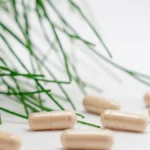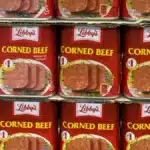
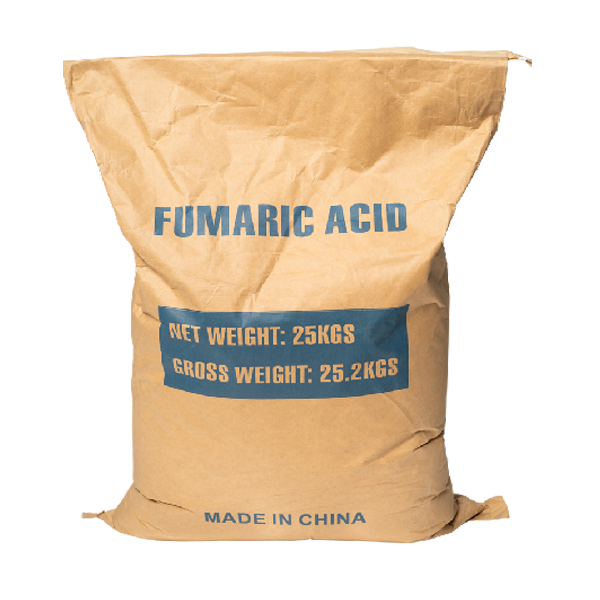
Fumaric acid is an important part of many products, showcasing its diverse fumaric acid uses. Makers utilize fumaric acid to boost flavor and keep food fresh, while also helping control the sourness of baked goods and drinks. Companies incorporate fumaric acid in animal feed to promote animal health and enhance livestock growth. Personal care brands leverage fumaric acid to balance pH in skin and hair products. Additionally, drug companies rely on fumaric acid when formulating medicine, and industrial companies employ it for resins and coatings. NORBIDAR is a trusted manufacturer, providing high-quality fumaric acid and prioritizing safety.
Key Takeaways
- Enhances flavor and preserves food: Fumaric acid makes food taste better and helps it stay fresh. It is commonly used in baked goods, drinks, and candies to extend shelf life.
- Supports animal nutrition: In animal feed, fumaric acid promotes growth, improves digestion, and reduces harmful bacteria in the stomach.
- Benefits personal care products: Fumaric acid helps balance pH, protects the skin, and gently exfoliates dead skin cells.
- Strengthens industrial materials: In manufacturing, fumaric acid is used to make resins and coatings more durable and long-lasting.
Fumaric Acid Uses in Food
Food Additive Functions

Fumaric acid in food has many functions. Makers put it in baked goods, drinks, candy, and boxed foods. It helps control how sour foods taste. Fumaric acid is a strong acidulant. It can take the place of other acids like citric, lactic, and tartaric. It works well at pH 3.04. This additive makes dough easier to handle. It helps egg whites foam and keeps them stable. Fumaric acid makes foods taste more sour. It also helps with chemical leavening.
- Acidity control
- Highly effective acidulant
- Substitute for other acids
- Strong buffering capacity
- Dough machinability improver
- Foam promoter and stabilizer
- Flavor enhancer
- Chemical leavening agent
NORBIDAR uses advanced technology to make fumaric acid. Their product is high quality and meets strict rules.
Tip: Fumaric acid helps food taste better and stay fresh.
Preservative Role
Fumaric acid is used to keep food from spoiling. It is much stronger than citric acid, so you need less of it. This preservative stops mold and bacteria from growing. It helps baked goods, jams, jellies, and boxed foods last longer. Fumaric acid also fights germs, so food stays fresh.
| Acid Type | Acidity Level | Antimicrobial Properties | Common Uses |
|---|---|---|---|
| Fumaric Acid | 1.5 times more acidic than citric acid | Yes | Baked goods, jams, jellies, processed foods |
| Citric Acid | Standard acidity | Moderate | Beverages, candies, sauces |
| Acetic Acid | Lower acidity | Yes | Pickling, sauces |
NORBIDAR’s fumaric acid is approved by the FDA, EFSA, and food groups in Australia and New Zealand.
| Region | Regulatory Approval Details |
|---|---|
| United States | FDA says fumaric acid is safe to use in food. |
| European Union | EFSA says fumaric acid (E 297) is safe and checks it often. |
| Australia/New Zealand | Approved food additive with code number 297. |
Flavor Enhancement
Fumaric acid makes food taste better. It is an acidulant that adds tartness to drinks like soda and juice. It gives candy and gum a strong, tangy flavor. Fumaric acid also makes baked goods and boxed foods taste more sour. It does not soak up much water, so it stops crystals from forming and keeps flavors even.
- Improves tartness in drinks
- Adds tangy taste to confectionery
- Boosts sourness in baked goods
- Prevents crystal formation
| Advantage | Fumaric Acid | Citric Acid | Malic Acid |
|---|---|---|---|
| Strength in acidity | 1.5 times stronger | Baseline | Weaker |
| Moisture absorption | Very low | Moderate | Moderate |
| Effective quantity | Smaller quantities needed | Larger quantities needed | Larger quantities needed |
| Crystal formation prevention | Yes | No | No |
| Shelf life extension | Yes | Limited | Limited |
NORBIDAR’s fumaric acid keeps flavors the same and is safe. Food experts say it is safe to use in food.
Fumaric Acid in Animal Nutrition

Growth Performance Benefits
Application of fumaric acid in animal nutrition. It helps animals grow faster and stay healthy. Poultry, swine, and fish all get benefits from this feed additive. In fish food, especially for Nile tilapia juveniles, fumaric acid helps them grow and use protein better. Animals that eat this feed often grow stronger and use their food well. Fumaric acid also helps animals take in nutrients by keeping their gut healthy.
Fumaric acid in animal diets lowers bad bacteria in the intestines. It helps good microorganisms grow, which makes digestion and nutrient use better. These effects make fumaric acid important in animal feeds today.
Note: Fumaric acid helps animals grow quickly and use food better.
Gut Health and Safety
A healthy gut is needed for animals to feel good. Fumaric acid keeps the gut healthy by lowering bad bacteria and helping good bacteria. This makes it easier for animals to digest food and take in nutrients.
Fumaric acid also helps lower methane from animals, especially ruminants. It acts as a different hydrogen acceptor, so it moves hydrogen away from making methane. Studies show that encapsulated fumaric acid can cut methane by up to 19% in labs. This helps good body processes and protects the environment.
- Fumaric acid in feed lowered methane in small ruminants a lot.
- In cattle, the drop was smaller.
- Fumaric acid did not change how much animals ate, but it did lower methane.
NORBIDAR uses new technology and better ways to make high-quality fumaric acid for animal food. The company’s work helps save energy and protect the environment.
| Practice | Description | Benefits |
|---|---|---|
| Advanced Environmental Protection Technologies | Use of advanced technology to lower harm to the environment | High safety and good quality, less harm to the environment |
| Optimized Production Processes | Making fumaric acid all the time with special enzymes | Uses less energy, works better and faster |
| Automation | Using machines to do more work | Quality stays the same, stops pollution |
NORBIDAR cares about the planet and new ideas, so their fumaric acid helps both animals and the environment.
Fumaric Acid in Personal Care and Pharmaceuticals
Skincare Benefits
Fumaric acid is found in many personal care items. Companies add it to help keep skin balanced. It works as a pH adjuster and buffer. This helps the skin barrier stay strong. Fumaric acid also acts as an antioxidant. It protects skin from damage by free radicals. Many people see smoother skin when they use it. Fumaric acid is a gentle exfoliant. It softly removes dead skin cells. This helps skin look fresh and bright.
Fumaric acid does more than just exfoliate. It fights fungus, so it is good for sensitive skin creams and lotions. In hair care, it keeps pH balanced and helps other ingredients work well. Bath products use fumaric acid to make more foam and fight bacteria. It also keeps creams and shampoos fresh for longer.
Tip: Fumaric acid helps protect, smooth, and balance your skin.
Pharmaceutical Applications
Drug companies use fumaric acid for important treatments. Dimethyl fumarate comes from fumaric acid. It is approved to treat psoriasis. Doctors also use it for relapsing-remitting multiple sclerosis (RRMS). These medicines are safe and work well.
Fumaric acid esters help with psoriasis. They lower swelling and calm the immune system. Dimethyl fumarate may also protect the brain in people with HIV-related brain problems. Some studies say it can help with heart problems caused by inflammation, like autoimmune myocarditis.
Doctors and scientists are still learning about new uses for fumaric acid in medicine. Its proven benefits make it a trusted part of personal care and medicine.
Industrial Uses of Fumaric Acid
Resin and Coating Applications
Makers use fumaric acid to make resins and coatings better. It is important for unsaturated polyester resins. These are found in building, cars, and ships. Fumaric acid helps these materials last longer and work well. It also makes coatings stronger. This helps them stand up to tough weather and use. Plastics get help from fumaric acid too. It keeps them bendy and strong. Many companies add it to plasticizers and resins for tough products.
NORBIDAR uses new ways to make pure fumaric acid. The company checks quality very carefully. They use both chemical and biotechnological steps. These ways make sure the product is good and stays safe to use.
Tip: Fumaric acid helps coatings and plastics stay strong and safe.
| Property | Description | Benefit in Use |
|---|---|---|
| High melting point | 287°C | Handles heat well |
| Hydrophobic character | Pushes water away | Stops moisture damage |
| Chemical resistance | Fights off rust and water | Lasts longer |
| Cross-linking ability | Makes strong bonds | Adds strength and keeps shape |
Other Industrial Roles
Fumaric acid has many other jobs in factories. It is liked in the polymer industry because it is safe and makes great resins. Companies use it in alkyd resins, special paper, and printing inks. It helps ink stick and keeps colors bright. Fumaric acid is also used with fiberglass in plastics to make them stronger.
- Unsaturated polyester resins
- Alkyd resins
- Food additives
- Special paper
NORBIDAR makes fumaric acid in two ways. One way uses oil-based materials. They heat and process maleic anhydride to get fumaric acid. The other way uses tiny living things to turn sugar into fumaric acid. This helps keep the earth safe.
| Industrial Role | Evidence of Effectiveness |
|---|---|
| Synthesis of Resins | Fumaric acid is safe and makes strong resins for factories. |
| Food Acidulant | Makes food better, helps dough, and keeps food fresh. |
| Feed Additive | Helps animals grow and lowers methane from livestock. |
Note: Fumaric acid is used in many factory products because it works well and is safe.
Safety and Regulation of Fumaric Acid
Regulatory Approvals
Fumaric acid is allowed in food, animal feed, personal care, medicine, and industry in many countries. Safety groups check it before it can be used. The table below lists some main groups and their approval details:
| Regulatory Body | Approval Details |
|---|---|
| UK Food Standards Agency | Approved as a food additive in the ‘Others’ group. |
| Food Standards Australia New Zealand | Approved with code number 297 in Australia and New Zealand. |
| JECFA | Listed as a food additive, flavoring agent, and acidity regulator with a safe daily limit. |
| European Food Safety Authority (EFSA) | Checks food additives like fumaric acid for safety in people and animals. |
The FDA in the United States says fumaric acid is GRAS for food. This means experts think it is safe when used right. The European Union allows it as food additive E297 and as a medicine ingredient.
Safe Consumption and Use
Rules help keep people safe. Groups like JECFA set a safe daily limit for fumaric acid. Studies show it does not hurt people even if they eat a lot. Most people can use products with fumaric acid without problems. Makers must follow rules for storage, labels, and handling.
| Safety Consideration | Description |
|---|---|
| Storage | Keep in sealed containers in a cool, dry, and airy place. |
| Labeling | Each container must have clear warning labels. |
| Emergency Response | Wear safety gear and clean up spills the right way. |
| Environmental Precautions | Fumaric acid can hurt water animals and must be thrown away safely. |
| Health Risks | Touching can cause skin or eye pain; breathing it can bother your lungs. |
Tip: Always read product labels and follow safety steps when using chemicals.
Potential Risks
Most people use products with fumaric acid safely. Some people may get mild side effects, mostly with medicine. These can be:
- Stomach pain, feeling sick, throwing up, or diarrhea
- Red face and feeling warm (flushing)
- Itchy skin or rashes
- Fewer white blood cells, which can make you get sick more easily if you use it for a long time
- Rare kidney problems, mostly if you take a lot at once
- Allergic skin reactions, sometimes in people who work with fumaric acid
- Very rare brain infections in people with weak immune systems
Doctors say most side effects are mild and stop when you stop using the product. People should ask a doctor if they notice anything strange.
Fumaric acid is used in many things. It helps in food, animal feed, skin care, medicine, and factories. The table shows its main jobs and why it is growing:
| Industry Segment | Application Description | Key Growth Drivers |
|---|---|---|
| Food and Beverage | Makes food taste better and last longer | People want safe, easy foods |
| Animal Nutrition | Helps animals grow and stay healthy | Farmers want strong animals |
| Personal Care | Makes skin brighter and smoother | People like natural, fancy products |
| Pharmaceuticals | Used for skin and brain problems | Helps people with sickness |
| Industrial | Used in resins, coatings, and plastics | Factories want tough, green materials |
NORBIDAR follows strict rules and gets approval from many countries. Their fumaric acid is safe and works well. People should check labels and ask experts if they have questions.
FAQ
What is fumaric acid used for?
Fumaric acid makes food taste better. It keeps food fresh. It helps animals stay healthy. It is good for skin care. It makes materials stronger. Many companies use fumaric acid for different things.
Is fumaric acid safe to eat?
Food safety groups say fumaric acid is safe in food. Experts agree it is safe if used right. Always check the label to use it correctly.
How does fumaric acid help animals?
Farmers put fumaric acid in animal feed. It helps animals grow faster. It helps them digest food better. It lowers bad bacteria. It also cuts down methane from animals.
Can fumaric acid cause side effects?
Most people use fumaric acid without problems. Some may get a mild stomach ache or skin rash. If you feel sick, ask a doctor for help.