
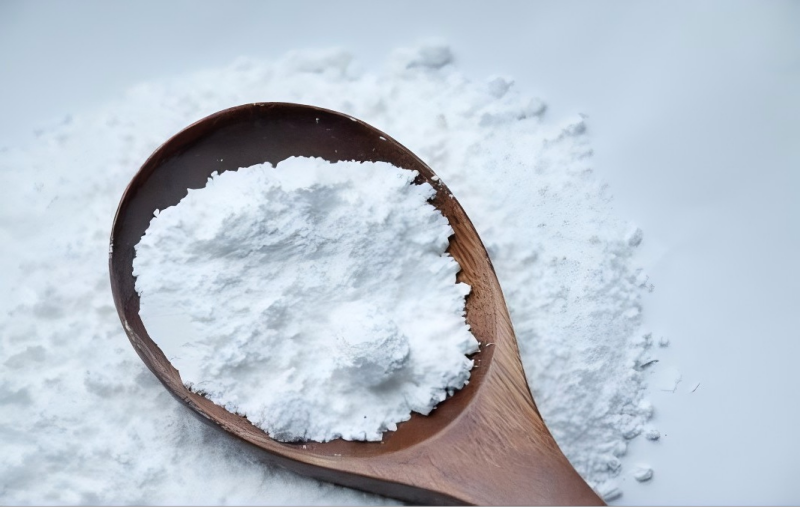
Fumaric acid has two main pKa values: pKa₁ ≈ 3.03 and pKa₂ ≈ 4.44. These values help people understand the role of fumaric acid in different fields. Fumaric acid is used in food and beverages to improve taste and maintain freshness. It helps animals digest food better. In the pharmaceutical field, it is also used to maintain the stability of drugs. Fumaric acid is found in personal care and industrial products. NORBIDAR provides high-quality fumaric acid. Their products are highly pure and suitable for numerous industries.
Key Takeaways
- Fumaric acid has two pKa values: pKa₁ is approximately 3.03, and pKa₂ is approximately 4.44. These values indicate how easily the acid loses a proton. These values can vary under different conditions.
- The pKa values of fumaric acid are very important. They are crucial in food, animal feed, and pharmaceuticals. They help control taste and maintain food freshness. They also help ensure the stability of drugs.
- Fumaric acid helps control pH levels in many applications. It helps maintain proper acidity in food and aids animals in nutrient absorption from feed.
- There are many methods for determining the pKa value of fumaric acid, such as potentiometric titration and spectrophotometry. These methods yield good results in both scientific research and industrial applications.
- NORBIDAR provides fumaric acid, ensuring its high purity, excellent performance, and compliance with stringent standards across numerous industries.
Fumaric Acid pKa Value
Precise pKa Value
Fumaric acid has two main pKa values, which scientists refer to as pKa₁ and pKa₂. pKa₁ is approximately 3.03, and pKa₂ is approximately 4.44. These values can vary slightly depending on temperature, testing method, or the form of the acid. Most laboratory-measured fumaric acid pKa values fall within the same range.
The pKa value of fumaric acid helps people understand its behavior in water and other solutions. These values are important for anyone using fumaric acid in food, animal feed, or medicine.
Meaning of pKa Values
Fumaric acid is a dicarboxylic acid, meaning it has two carboxyl groups. Each carboxyl group can lose a proton. The pKa value of fumaric acid tells us how easily each carboxyl group loses a proton.
The first pKa value (pKa₁) indicates how easily the first carboxyl group loses a proton. At a pKa value of approximately 3.03, fumaric acid loses its first proton under weakly acidic conditions. This step is important because it shows the strength of the acid’s first proton dissociation.
The second pKa value (pKa₂) is approximately 4.44. This value indicates the time it takes for the second carboxyl group to lose a proton. The second proton dissociates at a higher pH than the first proton.
The pKa value of fumaric acid helps scientists and industry experts understand its reactions in different products. For example, in food, the pKa value of fumaric acid affects its acidity and preservation. In animal nutrition, the pKa value of fumaric acid helps it function as a pH regulator in feed. In the pharmaceutical field, the pKa value of fumaric acid contributes to drug stability and absorption by the human body.
Fumaric acid is a dicarboxylic acid, meaning it can react in two steps. Each step of the reaction has its own pKa value. This makes fumaric acid valuable in many areas. It is precisely because of these unique acidic properties that fumaric acid is used in food, animal feed, and pharmaceuticals.
Detailed Explanation of Acid Dissociation Constant
What is the acid dissociation constant?
The acid dissociation constant helps scientists understand the acidification strength of an acid in water. The pKa value represents the pH value at which half of an acid molecule is converted to its conjugate base. This value is very important in organic chemistry because it reflects the behavior of acids in different liquids. The pKa value is derived from the equilibrium constant Ka of acid decomposition in water. The formula is pKa = -log10(Ka). A lower pKa value indicates a stronger acid; a higher pKa value indicates a weaker acid.
When acids like fumaric acid mix with water, they release a hydrogen ion and form a conjugate base. The acid dissociation constant indicates how much of the acid is converted into its conjugate base. Scientists use the acid dissociation constant to predict the behavior of acids in different environments.
The acid dissociation constant helps us understand how acids change in water. This helps us understand the role of acids in food, medicine, and industry.
The Importance of Fumaric Acid
Fumaric acid has two acid dissociation constants. These values indicate how easily it releases a proton. Releasing a proton changes its reaction pattern and its solubility in water. The more protons fumaric acid releases, the higher its solubility. This is crucial in medicine and other fields.
The pKa value of fumaric acid makes it suitable for a variety of applications. Scientists use fumaric acid to control the pH of drugs, helping them to be released smoothly after pH changes. Its pKa value is compatible with the solubility of certain drugs, especially those with low solubility at pH values above 4.5.
- Fumaric acid helps control the pH of drugs.
- It helps drugs release at the appropriate location.
- Its pKa value makes it suitable for substances requiring precise and stable dissolution.
Understanding the dissociation constant of an acid helps experts predict the role of fumaric acid in food, animal feed, and pharmaceuticals. This helps ensure that products function as intended and maintain their effectiveness.
Measuring the pKa value of fumaric acid
Experimental Methods
Scientists have several methods to measure the pKa value of fumaric acid. One commonly used method is potentiometric titration. This method involves adding a base to a fumaric acid solution in water and observing the change in pH. This helps them understand when the acid loses a proton. Potentiometric titration is suitable for many acids, even those insoluble in water. The pKa value obtained by this method is very close to the value found in science textbooks.
Another method is spectrophotometry. This method uses light to observe changes in the acid during the reaction process. Spectrophotometry is suitable for acids with low solubility. Scientists can use curve fitting to determine the pKa value without separating the acid and base. Both methods yield good results and can be used in various laboratory environments.
Scientists choose the optimal method based on the reactivity characteristics of fumaric acid and the experimental requirements.
Factors Affecting Results
Many factors affect the pKa value of fumaric acid. Temperature is one of the influencing factors. Increasing or decreasing the temperature will change the pKa value. Isomer forms are also important. Fumaric acid is a trans isomer, while maleic acid is a cis isomer. The position of the carboxyl group affects how the acid loses a proton.
| Isomer | pKa1 Value | Proximity of Carboxyl Groups | Acidity Behavior |
|---|---|---|---|
| Maleic Acid | Lower | Close Together | Loses a proton more easily |
| Fumaric Acid | Higher | Far Apart | Harder to lose a proton |
The method scientists use to measure pKa values can also affect the results. Potentiometric titration and spectrophotometry may yield different values. This usually occurs when the sample is not fully dissolved or when different solvents are used. Scientists must control these factors to obtain the correct pKa value for fumaric acid.
Applications of Fumaric Acid in Industry and Healthcare
Food and Beverage Uses
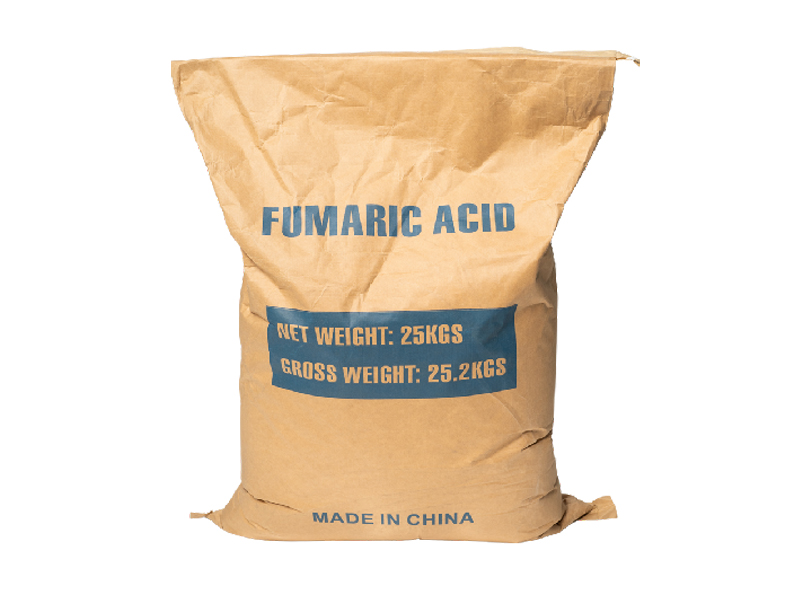
Fumaric acid is very important in the food and beverage industry. Businesses use fumaric acid to acidify food and maintain its freshness. It is added to beverages, baked goods, and confectionery. Today, more and more people are buying processed foods. In 2022, sales of processed foods in Europe increased by 8%. This means that businesses need more fumaric acid to produce foods with long shelf lives. Fumaric acid works well in dry powder mixtures because it does not absorb moisture from the air. Its pKa value helps maintain the pH of juices and soft drinks, thus preserving color and flavor stability and inhibiting bacterial growth.
| Property | Value |
|---|---|
| pKa1 | 3.03 |
| pKa2 | 4.44 |
| pH maintenance | Stabilizes pH around 3.0 |
| Buffering property | Maintains color and flavor |
| Antimicrobial activity | Inhibits microbial growth |
| Non-hygroscopic nature | Prevents caking in dry mixes |
Animal Nutrition Benefits
Fumaric acid helps animals maintain health and growth. Farmers add it to the feed of poultry, fish, and livestock. It helps animals digest food and better utilize nutrients. Studies have shown that adding fumaric acid to fish feed helps improve fish growth and feeding efficiency. In broiler feed, fumaric acid helps chickens gain weight and improve meat quality. It reduces harmful bacteria in the gut and alleviates stress responses. Fumaric acid’s acid dissociation constant allows it to lower the pH of the digestive tract. This contributes to gut health and promotes proper enzyme function. Fumaric acid can also help reduce antibiotic use by reducing the number of microorganisms in feed processing.
Industrial and Personal Care Applications
Fumaric acid has applications in many industries. It is a raw material for manufacturing unsaturated polyester resins. These resins are used in automobiles and construction. Fumaric acid also contributes to the production of paper, textiles, and printer toner. In personal care, it helps maintain the pH balance of cosmetics and protects the skin. Fumaric acid can also improve hair condition and help bath products produce more lather. It also helps other ingredients in creams and lotions to work optimally.
Pharmaceutical Uses
Fumaric acid plays a vital role in the pharmaceutical industry. Pharmaceutical manufacturers utilize it to maintain drug stability and aid in drug dissolution. Fumarate esters, such as dimethyl fumarate, are used to treat conditions like psoriasis and multiple sclerosis. Clinical studies have shown that fumaric acid helps many patients improve their condition after treatment. The pKa value affects drug solubility and human absorption. Fumaric acid helps control drug release and improve bioavailability. NORBIDAR provides high-purity fumaric acid that meets the above applications and adheres to stringent quality standards.
NORBIDAR is a leading supplier of reliable fumaric acid for the food, animal feed, industrial, and pharmaceutical industries. Its advanced manufacturing processes and certifications ensure product safety and high quality.
Fumaric acid has pKa values of 3.03 and 4.44. These values help experts understand the mechanism of action of fumaric acid in products and its properties in water. This is why it is used in the food, animal feed, and pharmaceutical industries. Understanding the dissociation constant of an acid helps ensure product safety and stability. NORBIDAR provides high-quality fumaric acid that undergoes rigorous quality testing. Their products meet the following standards:
| Specification | Value |
|---|---|
| Assay (%) | 99.5-100.5% |
| Loss on drying (%) | Max 0.5 |
| Melting Range (°C) | 286 – 302 |
FAQ
What does the pKa value of fumaric acid mean?
The pKa value indicates how easily fumaric acid releases a proton in water. These values help us understand the mechanisms of action of fumaric acid in food, animal feed, and pharmaceuticals.
Why does fumaric acid have two pKa values?
Fumaric acid contains two carboxyl groups. Each carboxyl group can lose one proton. The two pKa values represent the time it takes for each carboxyl group to release a proton.
How does the pKa value affect food?
The pKa value helps fumaric acid control acidity and maintain food freshness. They also help inhibit bacterial growth in beverages and snacks.
Who provides high-quality fumaric acid?
NORBIDAR provides high-purity fumaric acid. They use advanced production processes and strict quality control. Their products have shown good application results in the food, animal feed, and pharmaceutical industries.