
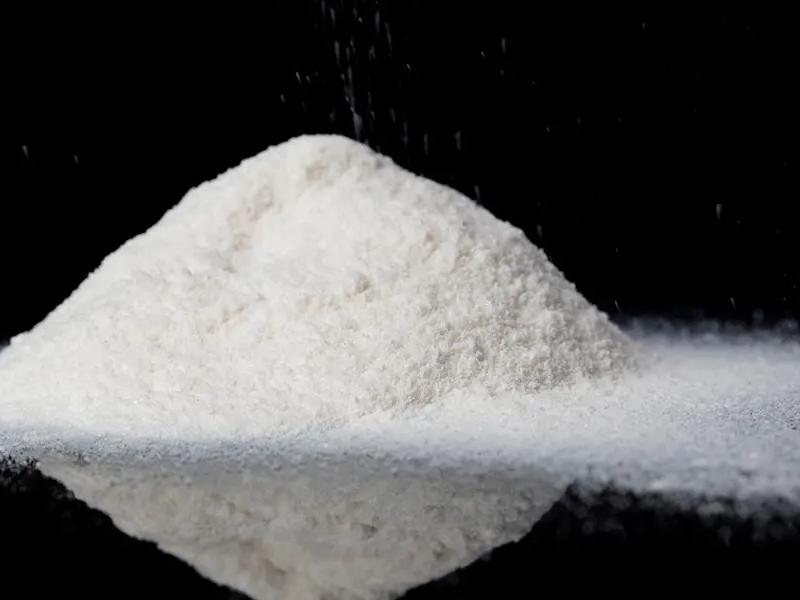
Physically, fumaric acid is a white, colorless solid with crystals. It is typically found in powder or small granules and is odorless. The powder has a smooth texture. Many companies use this appearance to check if their processing is correct and if good quality has been maintained. Its solid crystalline form helps it mix well with animal feed, thereby improving intestinal health and promoting growth and development in animals.
Key Takeaways
- Fumaric acid is white or colorless. It is a solid, which can be in powder or fine crystal form. It has a smooth texture and is odorless.
- This acid remains stable at high temperatures. It converts to a gas at 287°C but does not melt. This makes it suitable for use in many industries.
- Fumaric acid does not readily absorb moisture. This helps it remain dry in food and animal feed.
- It has a very sour taste, even more so than citric acid or malic acid. Therefore, it is ideal for flavoring food and beverages.
- You need to store it in a cool, dry place. This will maintain the good condition of the fumaric acid and prevent it from clumping.
Description of the physical properties of fumaric acid
Color and morphology
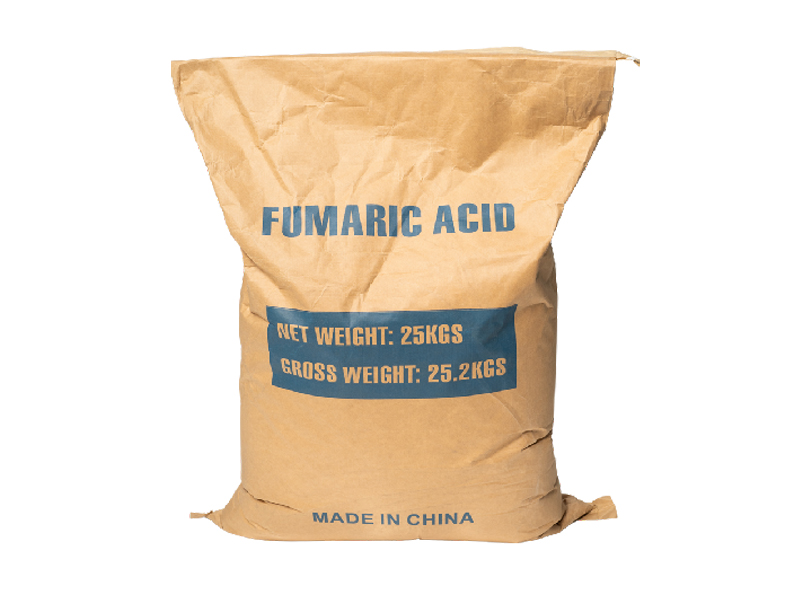
Physically, fumaric acid is a white, colorless solid. It can be in crystalline or fine powder form. NORBIDAR’s fumaric acid has a high purity, so the crystals appear bright and uniform.
Physically, fumaric acid crystals have strong hydrogen bonds and π··π stacking interactions. These properties help the crystals remain stable and shape-invariant during storage or handling.
Texture and Consistency
Physical fumaric acid has a smooth, fine texture and is in powder form. Due to its low water absorption, the powder does not easily clump together. This means that it will not become sticky or hard even in dry mixtures. The table below compares the differences in texture and moisture content between physical fumaric acid and other acids:
| Property | Fumaric Acid | Citric Acid | Malic Acid |
|---|---|---|---|
| Moisture Absorption | Low | High | Moderate |
| Hygroscopicity | Less Hygroscopic | More Hygroscopic | Moderately Hygroscopic |
| Stability in Dry Mixes | High | Low | Moderate |
NORBIDAR ensures its manufacturing process maintains the fineness of the powder. This is crucial for mixing in food, animal feed, and pharmaceuticals.
Odor and Taste

Physical fumaric acid itself is odorless. You will not smell any odor when you open the container or touch the powder. However, it tastes very sour, with a fruity flavor. This sourness is stronger than citric acid or malic acid. Many food and beverage companies use physical fumaric acid to give their products a rich, tangy taste.
To maintain the good appearance and efficacy of physical fumaric acid, store it properly. Store it in a sealed container in a cool, dry, well-ventilated place. This prevents clumping and makes the powder easy to use.
Identification and Comparison of Fumaric Acid
Appearance Identification
Scientists can identify fumaric acid in the laboratory using several methods. First, observe its appearance. Fumaric acid is usually a white crystalline or fine powder, odorless, and the powder feels smooth to the touch. These characteristics help scientists identify it quickly.
In the laboratory, experts use special testing methods to confirm the presence of fumaric acid. One method is high-performance liquid chromatography (HPLC). Scientists mix the sample with a liquid and then place it in the instrument. If fumaric acid is present, the instrument generates a chromatogram, which will show a peak. Another method is thin-layer chromatography (TLC). Scientists drop a small amount of sample onto a thin-layer plate and then separate it with a liquid. If the spot matches the color of a standard, it indicates that the sample contains fumaric acid.
| Method | Description |
|---|---|
| HPLC | Uses a machine to separate and find fumaric acid by showing a peak on a graph. |
| TLC | Separates the sample on a plate and checks if the spots match a standard. |
Comparison with Similar Acids
Fumaric acid may have similar physical properties to other acids, but it can be distinguished by several methods. Maleic acid and citric acid are two examples of acids that look similar.
| Property | Maleic Acid (cis) | Fumaric Acid (trans) |
|---|---|---|
| Melting Point (°C) | 130 – 131 | 287 |
| Solubility in Water | Soluble | Insoluble |
Maleic acid has a lower melting point than fumaric acid and dissolves faster. Fumaric acid remains solid at higher temperatures and dissolves more slowly.
Citric acid is also a white powder, but it has a different feel. Fumaric acid has poor water absorption, so it remains dry and loose. Citric acid absorbs moisture from the air and easily becomes sticky or clumps. Fumaric acid has lower solubility, making it more suitable for use in dry powder mixtures. Citric acid dissolves rapidly, so it is often used in beverages and syrups.
| Aspect | Fumaric Acid | Citric Acid |
|---|---|---|
| Solubility | Less soluble; good for solid foods and dry mixes. | Very soluble; best for drinks and syrups. |
| Texture | Not hygroscopic; keeps dry mixes from sticking. | Takes in water and can get sticky. |
Morphological Changes Under Different Conditions
The Effect of Temperature
Fumaric acid changes under different temperatures. At room temperature, it is a white, odorless powder or crystals. Upon increasing temperature, it remains stable for a long time and does not easily melt. Instead, it vaporizes directly without becoming a liquid. This occurs at high temperatures. The table below shows the changes in fumaric acid with increasing temperature:
| Temperature (°C) | What Happens |
|---|---|
| 200 | Turns into gas (sublimates) |
| Does not melt | |
| Does not break down | |
| No color change | |
| 213 | Loses water and makes maleic anhydride |
Fumaric acid turns directly into a gas at 200°C without melting or changing color. When the temperature reaches approximately 213°C, it loses moisture, forming a new compound called maleic anhydride. Even at such high temperatures, it does not burn or turn black. This makes it suitable for products that need to remain dry and pure after heating.
Tip: Keep fumaric acid away from heat sources. Store it in a cool place to maintain its crystalline structure and prevent unwanted changes.
The Effects of Humidity
Humidity alters the properties of many powders, but fumaric acid exhibits excellent moisture resistance. Due to its low hygroscopicity, it absorbs almost no moisture from the air. This helps the powder remain dry and flows easily even in humid environments. It has been noted that fumaric acid does not clump or stick together, making it easy to pour and mix.
This moisture resistance is crucial for food and animal feed products. Fumaric acid does not form wet patches in dry powder mixtures, preventing clumping and maintaining the homogeneity of the mixture. This helps ensure that each portion of the product contains the same amount of acid. Manufacturers prefer this method because it maintains the high quality and consistency of their products.
Note: Fumaric acid has excellent drying properties, making it ideal for dry powder mixtures and products stored in constantly changing environments.
Fumaric acid is a white powder or crystal, odorless but with a very acidic taste. It dries smoothly, is easily identifiable, and retains its shape well. Understanding its appearance is crucial for many applications. The table below explains the importance of its appearance:
| Role in Industry | Importance |
|---|---|
| Food Additive | Gives a sour taste and helps keep food fresh |
| Pharmaceutical | Stays pure and stable to work well |
| General Manufacturing | Makes products better and keeps quality high |
FAQ
What does fumaric acid look like?
Fumaric acid is a white powder or small crystals, completely odorless. It feels smooth and dry to the touch.
How to distinguish fumaric acid from citric acid?
Fumaric acid remains dry and loose. Citric acid absorbs moisture from the air, so it feels sticky. Fumaric acid dissolves very slowly in water, while citric acid dissolves much faster.
Is it safe to handle fumaric acid?
It is generally safe to handle fumaric acid with clean, dry hands. Never inhale the powder or get it in your eyes. For safety, it is best to wear gloves and a mask.
Does temperature change the appearance of fumaric acid?
Heating does not change the color or shape of fumaric acid. It remains a white powder or crystals until extremely high temperatures. At very high temperatures, it will vaporize directly instead of melting.