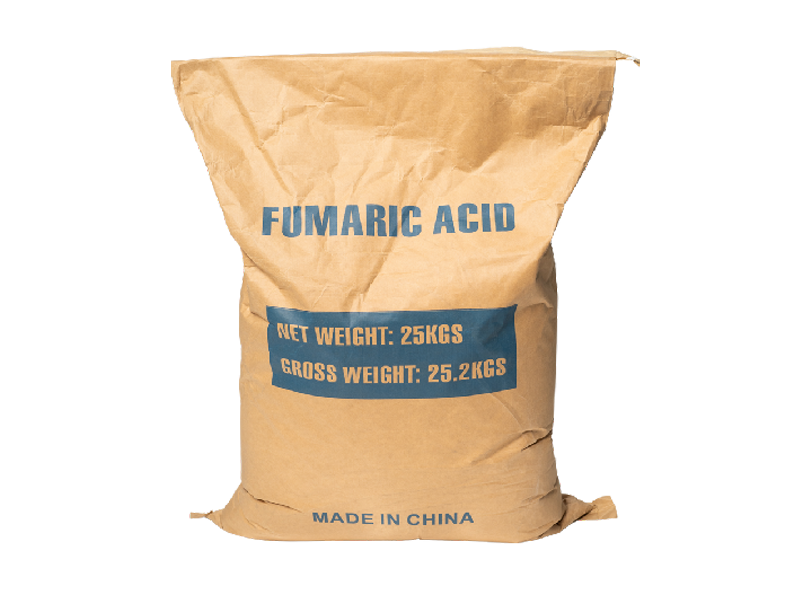
Fumaric acid is a dicarboxylic acid with a pH of 2.0-2.5 in a 3% aqueous solution. It possesses two dissociation constants (pKa1 ≈ 3.03, pKa2 ≈ 4.44) and is a highly effective strong acid widely used across various industries. The global fumaric acid market is expected to maintain steady growth in the coming years. The food and beverage industry remains the largest consumer, utilizing fumaric acid to enhance flavor and extend shelf life; the pharmaceutical industry is also experiencing rapid growth.
Key Takeaways
- Fumaric acid has a pH between 2.0 and 2.5 in a 3% solution, meaning it is a strong acid.
- Many industries use fumaric acid to improve the taste of food and extend its shelf life. Fumaric acid is also used in pharmaceuticals.
- Temperature and the type of solvent affect how fumaric acid decomposes, thus affecting its acidity.
pH value of fumaric acid in solution

Dissociation and pKa Values
As a typical dicarboxylic acid, fumaric acid contains two carboxyl groups capable of releasing hydrogen ions in aqueous solutions. The acidity strength of each dissociable hydrogen ion is quantified by pKa values, which serve as core indicators to evaluate its ionization performance. Its primary dissociation occurs at a pKa value of approximately 2.74, while the secondary dissociation takes place at around 4.03. In general, lower pKa values correspond to stronger acidity, so the first hydrogen ion of fumaric acid dissociates far more readily than the second one.
These thermodynamic parameters are also affected by ambient temperature. Specifically, the first pKa is recorded at 2.74 under 25°C standard condition, and the second pKa reaches 4.03 at 37°C. Such dual-ionization characteristics enable fumaric acid to deliver reliable acidifying efficiency, making it a preferred high-performance acidulant for diverse industrial formulations.
Acidic Behavior in Aqueous Solution
Upon dissolution in water, fumaric acid undergoes staged ionic dissociation. The first carboxyl group preferentially releases hydrogen ions to rapidly boost solution acidity, whereas the secondary hydrogen ion dissociation proceeds only under relatively higher pH environments. This gradual ionization mechanism endows fumaric acid with stable and potent acidifying capacity for commercial applications.
The actual pH level of its aqueous solution is determined by solution concentration and ionization degree. Specifically, the pH range of 3% fumaric acid aqueous solution is stably maintained between 2.0 and 2.5, reflecting its excellent pH adjustment capability. This property lays a solid application foundation for its widespread deployment in food, beverage and multiple industrial sectors.
Distinguished from other common dicarboxylic acids in the market, fumaric acid boasts superior acidifying efficacy. Though its water solubility is inferior to malic acid and citric acid, it features more prominent sour taste enhancement effect and more efficient pH reduction performance, thus gaining outstanding competitive advantages in industrial raw material selection, with detailed comparative data presented in the attached reference table.
| Acid | Solubility (g/L at 25°C) | Relative Sourness | Acidifying Power |
|---|---|---|---|
| Fumaric Acid | 6.6-8.1 | Highest | Highest |
| Malic Acid | 1395 | Lower than Fumaric | Lower than Fumaric |
| Citric Acid | 1447 | Lower than Fumaric | Lower than Fumaric |
Due to its excellent acidity, fumaric acid is widely used in food processing to adjust and stabilize fermentation pH, thereby ensuring product safety and flavor consistency.
Factors affecting the acidity of fumaric acid
Solvent Type and Polarity
Solvent polarity has a significant impact on the solubility and ionization efficiency of fumaric acid. Highly polar media such as water and dichloromethane effectively promote its ion dissociation, which is beneficial for the efficient separation and targeted screening of dicarboxylic acid products. Conversely, low-polarity solvents such as n-butyl acetate and n-heptane lead to a decrease in fumaric acid solubility, and this trend is more pronounced under high pH conditions. When the pH of the aqueous system exceeds 4, the extraction efficiency drops sharply due to the reduced degree of ionization.
In actual production, highly polar solvents are ideal for dissolving ionized components and improving the extraction rate of fumaric acid, while low-polarity solvents are suitable for the classification and separation of weakly ionized acidic substances.
Ambient Temperature
Temperature is a key variable affecting the ionization behavior of fumaric acid. The commonly used research and production testing range is 10℃ to 90℃. Increased temperature accelerates hydrogen ion dissociation, alters solvent matching, and consequently affects the structural stability and actual pH regulation ability of fumaric acid. Temperature-induced ionization changes are closely related to solvent type; understanding this relationship is crucial for maintaining a stable pH environment during large-scale production.
Solution Concentration and Coexisting Solutes
The concentration of fumaric acid directly determines the pH value of the solution and its actual degree of ionization. Under low pH conditions, most fumaric acid remains in its molecular state, which is beneficial for absorption by biological cells. Furthermore, multiple coexisting solutes in the system can interfere with its functional activity and overall stability.
| pH Level | Specific Uptake Rate of Fumaric Acid |
|---|---|
| 3.5 | More fumaric acid is taken in |
| 3 | The amount taken in stays the same |
| 4 | Less fumaric acid is taken in |
Fumaric acid production and applications
Industrial and food uses
NORBIDAR is a top company that makes fumaric acid. They use new machines to make sure the acid is pure and always the same quality. Making fumaric acid takes several steps. First, they use a catalyst to change n-butane into maleic anhydride. Next, they separate maleic anhydride by heating and cooling it. Then, they add water to make maleic acid. After that, maleic acid changes into fumaric acid. Last, they clean the fumaric acid by turning it into crystals. This way, the fumaric acid is safe for food, medicine, and factories.
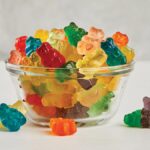
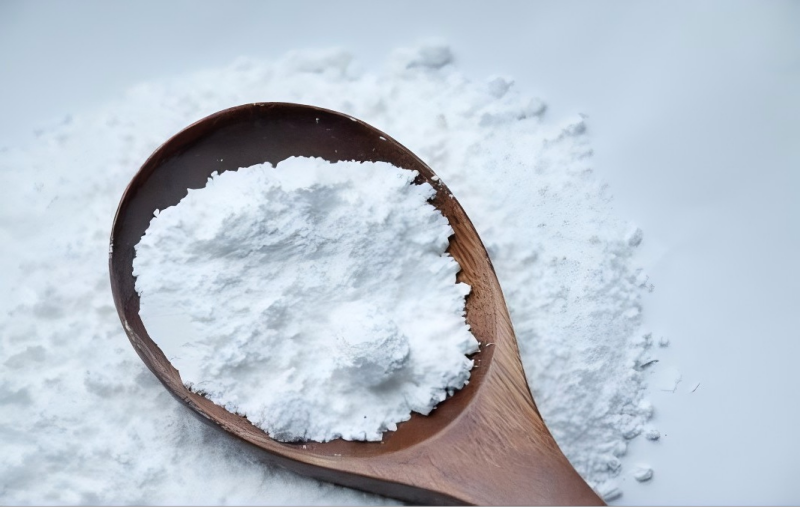
Most fumaric acid goes into food and drinks. Companies put it in bread, soda, and candy to keep them fresh and sour. In animal feed, fumaric acid helps animals grow and digest food better. It also keeps away bad germs and mold. Medicine makers use fumaric acid to help treat skin and nerve problems. Some skin care products use it to make skin smoother and brighter. Factories use fumaric acid to make resins. It helps keep the pH right and makes products last longer.
Role as a pH regulator
Fumaric acid is very good at keeping pH steady in many things. In food and drinks, it lowers the pH so mold and germs cannot grow. This keeps food safe and fresh for more time. Fumaric acid works better than other acids because you need less of it to get the same sour taste and pH. It also lets out acid slowly, so the taste and pH stay the same. In factories, fumaric acid helps control pH when making plastics and coatings. This makes the products stronger and better. These things make fumaric acid a smart pick for companies that need good pH control.
NORBIDAR knows a lot about making fumaric acid. They give customers safe and high-quality products. Their work helps many businesses, so NORBIDAR is a popular choice all over the world.
The ph value of fumaric acid in a 3% solution is between 2.0 and 2.5. This low ph helps with taste, how long food lasts, and safety in food and medicine. People should always check the ph, how much acid is there, and what it is used for. This makes sure the product is good and stays safe.
| Function | Description |
|---|---|
| Acidulant & pH Control | Makes food taste better, balances sweetness, and keeps products steady. |
| Lowers and Stabilizes pH | Very important for taste, making gels, and stopping germs in factories. |
FAQ
What are the main uses of fumaric acid in food production?
Fumaric acid ensures food safety by controlling the pH value of fermentation. It also improves the taste of food and extends its shelf life.
How does fumaric acid support biotechnology production?
Microorganisms can produce fumaric acid through fermentation. This contributes to the development of biotechnology and provides a clean method for producing pure products.
What are the commonly used analytical methods for fumaric acid?
High-performance liquid chromatography (HPLC) and spectrophotometry are used. These methods can determine the purity and content of fumaric acid in samples.